The Chariot
Life does not stand still. When the Seventh Arcana appears, everything changes in leaps and bounds. This card brings a huge leap forward, overcoming obstacles, confident breakthrough. It opens second and third wind at any distance.
Life does not stand still. When the Seventh Arcana appears, everything changes in leaps and bounds. This card brings a huge leap forward, overcoming obstacles, confident breakthrough. It opens second and third wind at any distance.
By the Chariot we can decide on what we were afraid to even think about, make giant breakthroughs in work and personal life. All enemies are defeated, all intentions are realized, nothing stands in the way of success. If the querent is oppressed by some problem, the Chariot appearing in the spread says that the first step toward liberation and resolution of this situation has already been taken. It may also indicate that something familiar and habitual has been left behind, now the person is full of determination and courage, and ready to enter a new stage of life, to discover a new world for themselves. Those who get the Chariot are usually overflowing with energy, inspiration, desire for action, craving for something new. It very much loves those who have taken on some unfamiliar task.
This is a card of strength, activity and optimism. The person to whom the Chariot appeared has often just made their choice (the previous Arcana) and is now striving toward their goal. What they need most now is self-discipline and confidence in their own intentions. This card says that there is no time left for waiting. The moment has come to solve problems, especially those that have been complicating life for a long time.
By this card we meet reality face to face. Often it appears to those who have long known exactly what needs to be done, but were frightened by the decisiveness of necessary actions, as well as the certainty of results that must be achieved. And now – it's time to show ingenuity, self-control, willpower, and set out on your "sacred campaign"! This is a card of great personal growth and flourishing, achievements, progressive development. It says - you will emerge from trials with honor, thanks, above all, to willpower.
By the Chariot, quantity turns into quality. The Chariot indicates that we have a goal, and we are taking active steps to achieve it. The pathos of this card is moving forward, firmly holding the reins and vigilantly watching so as not to lose balance and control. Traditional meanings of this card: war, battle, retribution, victory over an opponent or competitors, success, triumph, overcoming obstacles, help in difficulty. Victory over the blows of fate, the opportunity to emerge victorious from a difficult situation. Success achieved by the Chariot is the result of conscious efforts, not just a coincidence of circumstances.
The Chariot Arcana has long been considered a special sign of fate. It acquires particular importance when appearing in a spread on a seemingly hopeless matter. The Chariot symbolizes the transition from one state to another. If the preceding period forced one to "brake" or mark time, then the appearance of the Chariot is joyful news. It means that stagnation is ending and life is filling with new strength, and these will be not fantasies and inspired impulses, but real thoughtful plans and energetic practical actions. This card may indicate that soon some event will occur in their life that can raise them to a new level of success.
The Chariot speaks of the beginning of an important stage in life and the improvement of one's own Self. One can take risks, take on new endeavors and tune in to life with various adventures. Like the Seven of Wands, it speaks of actively overcoming obstacles.
As a forecast for the future, the Chariot usually says that events will develop and the set goal will be achieved. How and at what cost – the surrounding cards will tell. Sometimes they also indicate what hinders progress. It happens that a clearly expressed intention to strive for chosen goals and manage one's life comes into conflict with a mass of opposing forces. The Chariot always speaks of the importance of making the right effort at the right moment in time. Actions must be precise, otherwise there is a great risk that the whole venture will turn into failure. The Chariot is not a completely harmless card, it always implicitly contains the risk that it will lose balance and control, and then tip over. Therefore, it makes sense to pay the closest attention to neighboring cards. But from ancient times it was considered an indicator that a person is on the right path.
The energy of the Chariot is the energy of educational discipline, diligence, self-control and willpower. This is like a "basic training course" - a person learns new habits and life skills that make them stronger and teach them to correct their mistakes. Some authors note that this is precisely discipline that is imposed from outside, like military training, but ultimately teaches inner self-control.
The Chariot often appears to a person who considers some stage of their life passed and is ready to move on. This is the case when the past is left behind without regrets and without looking back. The Chariot means a significant leap forward. It shows that we have broken out of the circle of former interests and gone a new way. Driven by the desire for freedom, ambition, the search for what was lost, or simply the thirst for self-realization. Some modern tarot readers note that the Chariot is the only card in the Tarot deck that connects such an impulse with a feeling of joy and self-confidence. In all other cases, saying goodbye to the old is associated with fear, heaviness in the soul. But here - courage, curiosity – a person rushes forward, looking for application of their strength and not afraid to take risks.
The card symbolizes strength and dexterity (driving the Chariot), but also inexperience (journey into unknown lands). Therefore, it should also be perceived as a warning - do not overestimate your strength, do not be too self-confident and do not allow "dizziness from success". It is best to realize in time how much more there is to learn.
Journey, long trip, change of familiar surroundings. Communication with someone who is at a great distance.
In the company of unfavorable Arcana, it may portend quarrels, scandals, conflicts, the presence of some opposing factors. Ancient meaning – war. Also – thunderstorm (both literal and figurative; association of the image with the chariot of the prophet Elijah; in Russia there was a saying that during a thunderstorm "Elijah rides across the sky").
Moving mountains!
And if the doomed mountain does not come to Mohammed, then he is already riding to it. The Chariot often describes a person who is "on the crest of a wave". Their plans have true scope and they are moving toward their goals, bravely overcoming obstacles. The non-literary phrase "Dude really rules" fits the Seventh Arcana very well. The Chariot may indicate a person holding a sufficiently high position, endowed with power and able to control the situation. They are brave and lucky, and most importantly - ambitious.
The qualities of this card are courage, honesty, perseverance, concentration of mental strength, willpower and self-control. Determination, self-confidence and independence - this is the pathos of this card. The Charioteer moves unwaveringly toward his goal (doubts are absent, as the choice on the previous arcana has already been made). He is fully focused on achieving it and applies all efforts to this, not distracted by extraneous things. The Chariot is a card of conscious intentions. What they consist of, surrounding cards can tell. But in any case, this is the intention to "get moving", "move forward" and "take control of the matter". The Charioteer is collected and focused on what he is doing, not distracted by external interference. Armor protects him from the world. He well feels that any doubts, contradictions and internal conflicts weaken his position, and therefore tries not to allow this.
The Seventh Arcana emphasizes the need to consciously manage the situation, gathering strength, vigilantly and skillfully keeping everything under control. The Chariot is not a card of rest and relaxation, this can be said quite accurately. By it, a person strains considerably, up to heroic actions. Here, control over one's own life is not like that of the Magician, devising clever solutions, or the Emperor, who established law and order. It is more like the control known to a Formula 1 racer – second-by-second and dynamic. By the Chariot it happens that some force compels a person to leave what they have, to forget about the former – about home, about work, about friends. Usually they are overflowing with energy, and they seek a new field for its application, ready to open a new world.
The Charioteer thinks well and does not give in to the power of subconscious storms. He wins with reason and excellently copes with temptations. He has excellent emotional self-control, based not on repression (he perfectly understands that the Chariot does not move by itself), but on the ability to wisely manage his thoughts and feelings, contradictory life forces, moving forward on the path of development. He perfectly understands that spiritual development consists not in suppressing contradictory impulses, but in the ability to use their energy to move forward. The Charioteer is a warrior, but not a monk, his path is a path into the world, toward conquests. This is an adventurer, but more purposeful than the Knight of Wands, and less frivolous than the Fool.
A leap in development – this is also the Chariot. The Chariot person is often captured by self-improvement in one form or another. They may actively engage in sports, combine work with study, master yoga and so on, the question is only what for them now is most closely associated with this very self-improvement. Unlike the Hermit, they are open and more often strive for those forms of self-realization that are socially significant. In the worst case, this person takes too much upon themselves. It is curious that a real person by the Chariot may quite resemble the Arcana character – young, fair-haired and with a somewhat haughty expression.
A stage of spiritual development, the task of which is to know oneself and learn to consciously and constantly manage different forces of one's own psyche, elemental contradictory impulses. To learn to draw strength from opposites within oneself, to make them work together, to master the synergy of the inner world, to deny nothing in it, but to put everything at the service of evolution. Animals symbolize different sides of nature (for example, body and spirit), which may seem to strive in different directions, but in fact, under the condition of self-control, ensure progress towards a single goal. Self-control means direction, not suppression. These forces met at the previous stage (Magnum Opus, the great work of the Sixth Arcana) and now carry to victory. They are reconciled to such an extent that now a person can advance with their help at an unprecedented speed. The position of the Charioteer on the Arcana reflects a stable harmony between different polar forces. At this stage of peace with oneself and external achievements, there is a great temptation to stay – it is difficult to convince oneself that there is something greater.
All serious interpretations emphasize the Charioteer's dedication to many secrets and his magical abilities. This is the son of the queen of heaven, the god of spring, the one who came from heaven to act on earth, the divine hero-liberator.
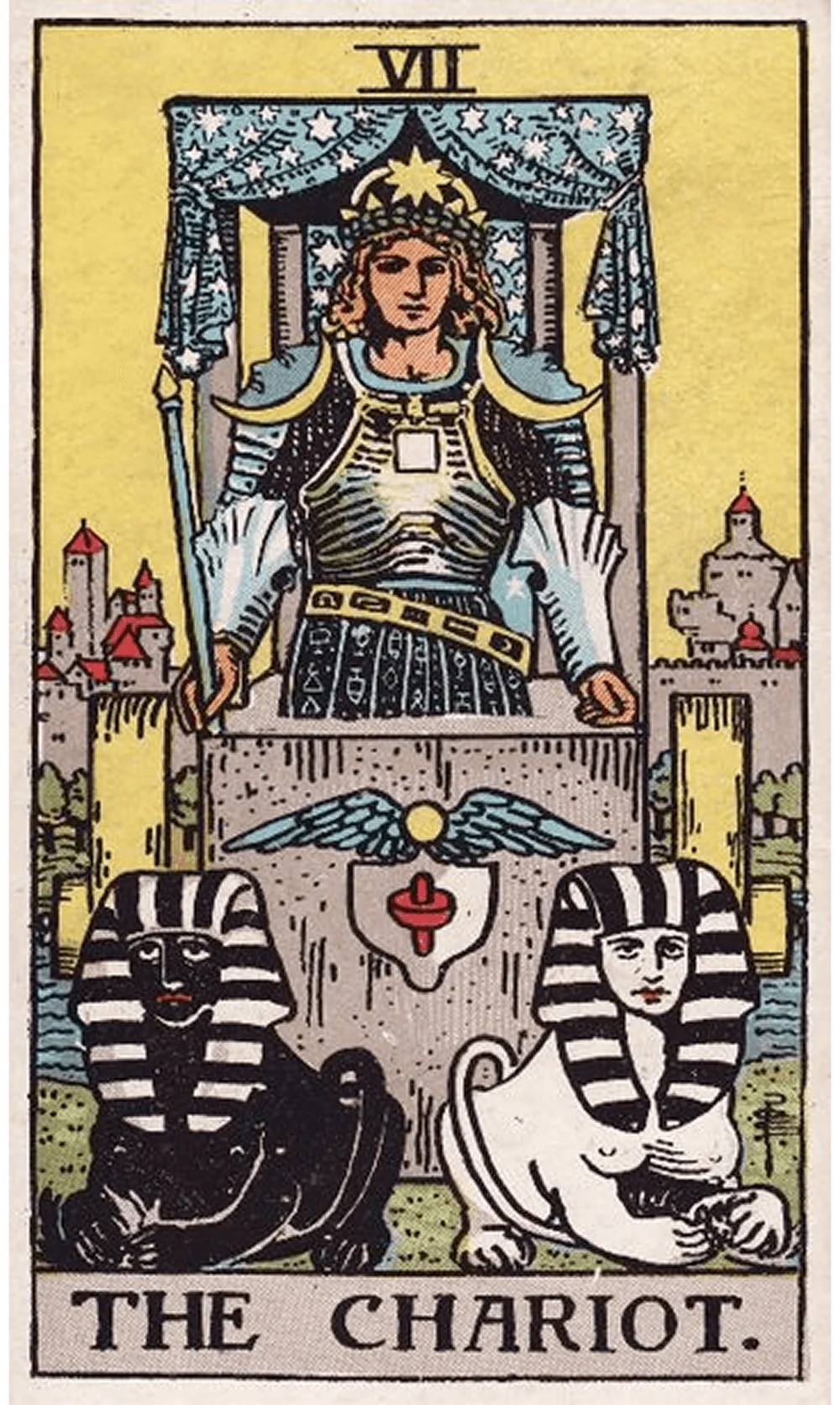
He rules the sphinxes and holds the scepter of wisdom. The card depicts a person confidently looking forward (the Exalted One, racing in the chariot of Creation). The character in armor does not stand in the chariot, but rises from a cube (symbolizing ascent). On his head is the crown of Isis, and on his shoulders are two crescent moons, Urim and Thummim, dark on the left, light on the right. In addition, the eight-pointed star on the Charioteer's crown reflects the connection of Reason with the eighth sephirah (Hod). The light and dark sphinx, the waxing and waning crescent clearly speak of the two sides of the soul – light and dark, and on the Arcana this does not look like some drama. Their coordination and will bring only balance in thoughts, goals and actions, and movement forward on the path of growth.
The four pillars of the Chariot symbolize the four elements – fire, air, earth and water, on which the world rests and which he has learned to understand. Above his head is a starry canopy – the sky is open to him and speaks with him. The image of the canopy reminds of the patronage of the High Priestess; in some decks, the Charioteer is a holy warrior, Son of the Goddess, the one on whom hopes for the salvation of humanity are placed. This image relates to the Grail prince in European tradition or the "hidden imam" in mystical Islam. The Seventh Arcana in Tarot itself is a symbol of triumphant reason that has managed to solve the riddle of the Sphinx. Guggenheim, however, notes that this riddle concerns only the mysteries of nature, not heavenly grace. The Sphinx represents a secret and unknown force, with which the Ruler moves continuously through various parts of the Universe. The union of opposites in one person is what enables their independent existence, endowing them with an independent destiny, separate from the destinies of the world as a whole, finally separating their soul from the World Soul and God. Waite emphasizes that the Charioteer is driven by high goals. Kaplan writes: "This card depicts the material currents that carry a person to their destiny."
For victory, one must show determination, extraordinary will, strain all one's abilities to control the situation. The main risk is not being able to control one's impulses, succumbing to inner weakness. This card says that a person is given the ability to harness opposing forces and must use this skill, subordinating them to reason and work. He will achieve greatness by taking feelings under control, learning to balance contradictions (for example, active work in the world and periods of productive solitude). Sufficient strictness toward oneself and good self-control ensures rapid progress, victorious advancement, achievement of the goal. This card symbolizes masculine power, physical strength, confidence, fearlessness, victory won by willpower. The crowned conqueror, warrior-mage must seek Divine will. His progress is achieved through unrelenting control and full exertion of all forces to hold the reins. But he will conquer, achieve and win, nothing will hold him back except internal problems, external ones do not frighten him. This is a logical continuation of the Lovers Arcana – the known and harnessed forces lead to victory, but one must continue to strain and manage.
The Charioteer becomes a triumphalist thanks to the right choice in the Sixth Arcana. Now before him lies the path of material success and soul development. The main danger that awaits him is not hard to guess – it is pride, the temptation of one's own victories and knowledge. Mystical experience can lead him to madness, to delusions of grandeur. The Chariot is a card of free will. It is a great, yet perilous gift for one's well-being. The path of life, as is known, abounds with stretches both narrow and slippery. To 'collide' with this very free will into the lamppost of fate costs nothing (which is why the combination of The Chariot and The Tower is considered one of the most unfavorable – it precisely hints at such an outcome). The Chariot brings full dedication of strength, an understanding of one's mission, but it is still the beginning of a long journey, where a person is prone to taking on too much, not fully understanding what they are doing. Therefore, this Arcana is also associated with a fall, with a great risk of 'crashing and burning'.
The movements of karma in which the soul participates lead to deaths, wars and natural disasters. But the Creator forgives the soul, agonizingly tearing itself from contradictions and sins in which it involuntarily participates, having incarnated into this world, and gives it shelter, prompting it to understand that even on the battlefield the Charioteer not only kills, but also creates new reality; - therefore, the soul must live - and fight. Therefore, the Chariot Arcana is also associated with the concept of fulfillment. The more a person corresponds to their predestination, the better they succeed in manifesting the freedom of their will.
This card reflects the zodiacal characteristics of the sign of Cancer, which under Saturn's shell hides the wealth of its inner world, preserving it from external influences that introduce doubts about the right path into the soul. Cancer is an insecure sign, but astrology advises it to become a warrior, replacing passive Saturnian protection with active Mars defense: Cancer is the sign of Aries' conception, which is ruled by Mars, therefore Capricorn, where Mars is in exaltation, is the best basis for Martian manifestation of one's inner world and soul's aspirations. On the Arcana we see a mobile house-fortress (the chariot itself) and the driver's armor. Cancer corresponds to the month of Tammuz – a time of intensifying carnal desires. The front of the Chariot is decorated with a very sexual ancient symbol, reflecting the union of masculine and feminine principles. Above it we see wings, reminiscent of the Angel of the Lovers Arcana – a call to direct this heat toward higher goals, to spiritualize it. In general, this symbol indicates the nature of the force with which the Charioteer moves – spiritualized libido.
The Chariot is very important for understanding Tarot. This is a card of the Soul, God, the Universe. Seven has always been a magical number. This is the number of rotating planets visible to the naked eye. Ancient peoples created their mythologies around these celestial gods. The epic description of "the hero's awakening" corresponds perfectly to the Seventh Arcana. This card on the external level symbolizes hitherto hidden forces that help find the way to the "true self" and one's destiny. The Charioteer is self-knowledge and determination of one's path, it is victory over one's inertia, it is willpower that has removed chains and seals from the hero.
The Chariot relates to the ideas of the Upanishads and the Jewish Merkabah. Merkabah is the Chariot of God in Jewish Mysticism. It is based largely on the teaching of Ezekiel's mystical vision. In it, God was carried in a chariot made from the wings of four angels, each of which had four faces – human, eagle, lion and bull. Symbols reminiscent of different aspects of the Merkabah permeate the entire Tarot system. The black and white horses become the black and white tower, the four surrounding angels and wheels become the four elements and so on. These things are universal and archetypal.
We are most close to Plato's philosophy, which described the Chariot as a metaphor of the soul in three parts. Black Horse, White Horse and the Charioteer-Driver, called Reason, which binds them together and controls them. The white horse is beautiful, thoroughbred, cultured, eternally pulls upward. The black horse, of bad breed, intemperate, and difficult to control, eternally pulls downward. The Charioteer must balance their energies within himself and direct them, with great difficulty, into the world of the Gods, where he can hopefully catch a glimpse of absolute truth, even for one moment, before he loses control again, for horses are so difficult to control, and crashes back to earth. Few have ever achieved this, and according to Plato, an old soul, with the sensitivity of a creator or philosopher, is close to this level of self-knowledge and mastery. A glimpse of this original truth, even for a moment, is enough for initiation. And even if you crash afterward (and as a human you will crash), you will still be changed forever.
Esoterically, the Chariot corresponds to initiation rituals, dedication. This is the appearance of a wandering knight in search of the Grail. In mythology, these are solar celestials – Apollo, Helios and Zeus. This is also all astral journeys that help become a conductor of cosmic energy and lead to spiritual transformation. The Chariot is the royal path of the spirit.
The Chariot describes periods of stormy practical activity and energetic advancement of affairs. This is great progress in business, overcoming obstacles, opposition, stagnation. The Charioteer is decisive, ambitious, ready to take risks, take on new tasks and advance up the career ladder. Power and high position often pass by this card. By it, one can quite take a leadership position.
By the Chariot passes the powerful harnessing of opposing forces, which may be a vivid indication for a leader of an organization torn by contradictions, where employees, as they say, "have taken the bit between their teeth". In fact, the Charioteer has no great choice – either you hold the reins and hold on, or you'll fly out of this rattletrap farther than you can see. Simple, right? The Chariot's advice is also simple – hold on with all your might.
This is a card of victory in competitive struggle, capture of new territories (markets) and expansion of spheres of influence. Accumulated experience and previously taken actions allow one to break ahead and bypass competitors. In unfavorable card surroundings – the need to overcome opposition to one's plans.
The Chariot loves "working in one harness". Partnership, joint ventures – its element. It is not bad for an isolated leader either and still hints that without "driving forces" the Chariot will not go far. By this card, one usually manages to harness a diverse team into a common harness and achieve synergy necessary for development and active actions.
Achievement, reward, recognition of merit. The main meaning of this Arcana is overcoming obstacles and achieving the goal thanks to one's own efforts and, to a lesser extent, the support of fate.
Search and finding one's place in the world. The Chariot is very good for learning (by it great progress occurs even through overwhelming material) and symbolizes the application of knowledge in practice. It brings deserved victories – these may be successful certifications, exams, victory in a competition and the like.
There is an opinion that a businessman by the Chariot should prepare for major changes in their business – such as a global fall in prices, liquidation of major producers or transition to completely new technologies.
Sometimes a change of job or starting to work "for oneself".
The presence of negative cards in the spread may hint at the danger of miscalculating one's strength.
Change of residence. In financial matters, improvement of material situation may occur after some time thanks to energetic actions. One of the ancient meanings is pride and luxury. Accordingly – prestige and expenses on it.
A very ambiguous card. The Charioteer himself is a decent individualist, and his path usually does not lead into sensual depths. Appearing to a single person, the Seventh Arcana may say that now is not the best time for creating relationships, fate awaits something else – self-development, strengthening positions, expanding knowledge and spheres of influence, generally solving life tasks of a different nature. This is advice to concentrate on one's own path and mark some achievements on it! This is a card of great personal strength, self-control and managing one's life through willpower. The Chariot person has a goal, and they act in accordance with it, but whether this goal is related to relationships is still a question. Perhaps something else motivates them. Surrounding cards can give a hint. In the company of appropriate cards, the Chariot may portend both a love adventure (especially a road or resort romance) and moving to a new apartment.
At the same time, in the spread of a person who is concerned about problems of existing relationships, the Chariot may speak specifically about the couple. In this case, it emphasizes issues of power and control over life. With favorable cards present, the Chariot helps to smooth out controversial issues, get rid of contradictions in the couple and, so to speak, gives new acceleration to affairs and events. In a favorable environment, this can be complete harmony and mutual understanding in the couple, honesty and sincerity, orientation toward mutual goals, but if the spread is not so rosy, then these may be quarrels, conflicts, attempts by each to "pull the blanket over themselves".
One recalls the fable about the swan, crayfish and pike. This is a mismatch of interests and concepts about what and how should be. Sometimes through this Arcana one can see a desire to leave. And here, in general, it should be noted that by the Chariot one can break free from the bonds of the most hopeless and oppressive relationships. This card may say that the first steps in this direction have already been taken, and nothing will stop further ones. The Charioteer is ready to take risks no less than the Fool, confident in his path no less than the Hermit, and his will is no weaker than the Emperor's. One of the meanings of the card is leaving the situation, and this is not cowardly flight and not an attempt to hide from reality, but precisely leaving.
The desire to keep one's (and sometimes others'!) feelings and experiences in check, not to let them break free. The Chariot emphasizes second-by-second control of the situation, constant vigilance – the reins cannot be released for a second. Why, what this means, other cards will tell. But in any case, you must agree, for love relationships this is somehow too tense. Not to relax, not to forget oneself and not to give in to emotions... This may be related to the presence of a rival, to problematic tendencies of the other half (for example, trying to quit drinking or the like – need to keep an eye on them!), and to one's own inability to behave (by the Chariot one often goes on a first date with the object of dreams, worrying about not missing the chair, or not spilling something, or not blurting out something inappropriate, or not rushing into sex...reins are taut, nerves too).
At the same time, the Charioteer is the embodiment of sexual power, and the energy of this card is felt by many as very stormy and bright. By the Chariot, as they say, the reins are breaking (sometimes this is a purely physiological occurrence). It has a strong element of dominance and control. The other side may feel themselves in the morning "ridden" to complete exhaustion, "rolled" at full throttle and generally "hit by a horse". Mitigation of the situation depends only on whether the Charioteer will deign to restrain themselves. There are no guarantees here.
It remains to add that the Charioteer is strong but not attached, and if it interests him – he will crush all nearby beds, not staying anywhere and behaving like a conqueror in an occupied city. Moreover, this person is not particularly sensitive to resistance and refusal. Deep down, he believes he can tame and break anyone, and the line where rape begins is shaky and undefined in his perception. If nearby are cards like the Tower, Knight of Swords and the Devil, the question of sexual safety may become critical. Whatever we're talking about, a person described by such a combination of cards will "walk over corpses" and achieve their goal at any cost. The Charioteer already has strong self-motivation and stubbornness. In love, he tends to conquer, regardless of the interest of the other side (as well as parents, wives, husbands and children). This is a tank. Conflict of interests does not frighten him, while he does not listen to anyone and eliminates rivals. The Chariot marks the winning side in a love triangle.
In modern interpretations, the meaning of military triumph, which has long been attributed to the Chariot, practically falls away, but sometimes it makes itself known.
Modern tarot readers indicate that the Chariot may be an indicator of a virtual romance or relationships between people living at a great distance from each other.
The Chariot is an indicator of strong health and vitality. It is equally good for body and spirit.
The appearance of the Chariot is good for a person who has decided to finally take up sports or quit an old bad habit ("to strike the inner enemy"). This card helps to practice a stricter lifestyle, diet, sports activities and so on.
If it's about illness, the Chariot portends recovery.
And only if this card absolutely must be interpreted as a cause of illness, then these may be stress-related diseases of the gastrointestinal tract (the Chariot corresponds to the sign of Cancer, which projects onto the stomach among other things), for example, ulcers associated with overexertion, excessive activity. The Chariot is also associated with a wheelchair and everything that "helps" to end up in one. Ancient meaning – combat wounds, modern – accidents, crashes, injuries (especially those received in traffic accidents). Less commonly - heart attacks, strokes.
The reversed Chariot may indicate a whole range of problems, from sports injuries to loss of homeostasis in the body as a result of, for example, a virus with complications and improper treatment. This may also be "achievement depression" or postpartum depression.
There are cards that in reversed position do not represent anything particularly dramatic. But the reversed Chariot is a bad sign, and one must reckon with this. Its traditional meanings are defeat, overthrow, failure, loss. At the very last moment, Fortune turns away and what was almost in hand slips away. Plans collapse in the most sudden way, and this is usually associated with underestimation of the situation and overestimation of one's strength.
The hero-conqueror falls out of his triumphal chariot, having failed to manage it, and the laurel wreath falls from his head. This may also be a dramatic loss of self-control in a tense situation. The reversed Chariot indicates uncontrollable passions. A person described by this card often lacks the ability to perform truly correct actions. Where one should slow down, they press the gas and end up in a ditch. Where one should push, they start braking and get stuck in a swamp.
He eternally falls short of the summit and loses where, it would seem, this is already practically impossible. This is a card of selfishness, intolerance, self-destruction, but the main thing – inability to manage. As they say, "human factor"…
The reversed Chariot reminds one of a person who closes their eyes at the moment of a critical situation on the road. And if they didn't close their eyes and still tried to turn the steering wheel, even spending a year's supply of adrenaline in half a second – they would have turned it.
The reversed Chariot is a very unfavorable sign for travel and trips. One can say that this is the most serious warning on this topic that Tarot can give. Trips are postponed – and this is far from the worst option. Breakdowns, accidents, flight delays and extreme situations on the road.
The card may also speak of lack of mental balance, uncertainty, external pressure and unfavorable influence of people around you. May be interpreted as unnecessary reverence for obsolete traditions and excessive self-restriction, signal possible imminent conflicts with the law or unexpected legal matters. Sometimes this is lack of control and lack of action. Result – defeats, failures and shocks in life, breakdowns in organization of affairs.
Instability in life, inability to face reality. In reversed position, the card may say that this is not yet a breakthrough, the old period is ending, but there is no need to rush events, better to wait.
Health problems.
At best, this is chasing two hares (the result of this race is clear anyway, surrounding cards may clarify details).
Quarrels, lawsuits, legal proceedings. Polemics, discussions. Disorders, uprising, rebellion. Usurpation of power. By the reversed Chariot pass such unpleasant phenomena as hooliganism, banditry, extortion.
In a personal sense, by the reversed Chariot may pass anger, revenge, unforgiven grievances, fierce quarrels, unwillingness to reconcile.
With the Magician – strong combination, triumph of will
With the High Priestess – strong combination (the High Priestess is sometimes considered the mother of the Charioteer), a sign of invisible support
With Strength – it is considered that such a position of cards speaks of weak self-control, but with this, perhaps, one can argue.
With the Hanged Man – a person lets others go ahead of themselves, it is considered that the card weakens the influence of the Chariot. At the same time, this is the ability to listen to the voice of one's own destiny.
With the Tower – extremely unfavorable combination, high probability of accident, mishap, or catastrophic failure of plans. Defeat, experience carrying humiliation.
With the Moon - some mystery, into which it is better not to penetrate, or a question, the answer to which is not worth seeking, because the changes it causes may be catastrophic. With the reversed Chariot – conspiracies and intrigues aimed at seizing power.
With the Ace of Wands, Eight of Wands – hasty decision-making.
With the Two of Wands – it is considered that these cards strengthen each other. Gaining authority, superiority.
With the Five of Swords – strong theme of revenge, victory over enemies.
With the Eight of Swords – confusion, lack of self-confidence
With the Four of Pentacles – the meaning of control over what is happening is enhanced
With the Nine of Pentacles – discipline, self-control
All triumphant heroes. "Fortune favors the brave" (Virgil)
Alexander the Great
BELLUM SACRUM
Mystical creatures from the Apocalypse
Chariot of Shiva, Ezekiel and Elijah
Solar mythological characters – Helios' son Phaethon, Bellerophon, Icarus. Apollo, Helios, Horus.
"By destroying obstacles, you destroy all your enemies and all your desires will be fulfilled if you approach the future with courage, armed with the consciousness of your right. And let reason command you, but do not strive to completely rid yourself of feelings and emotions: without them your chariot may overturn" (Papus)
Cards from the same group
The Fool
The Magician
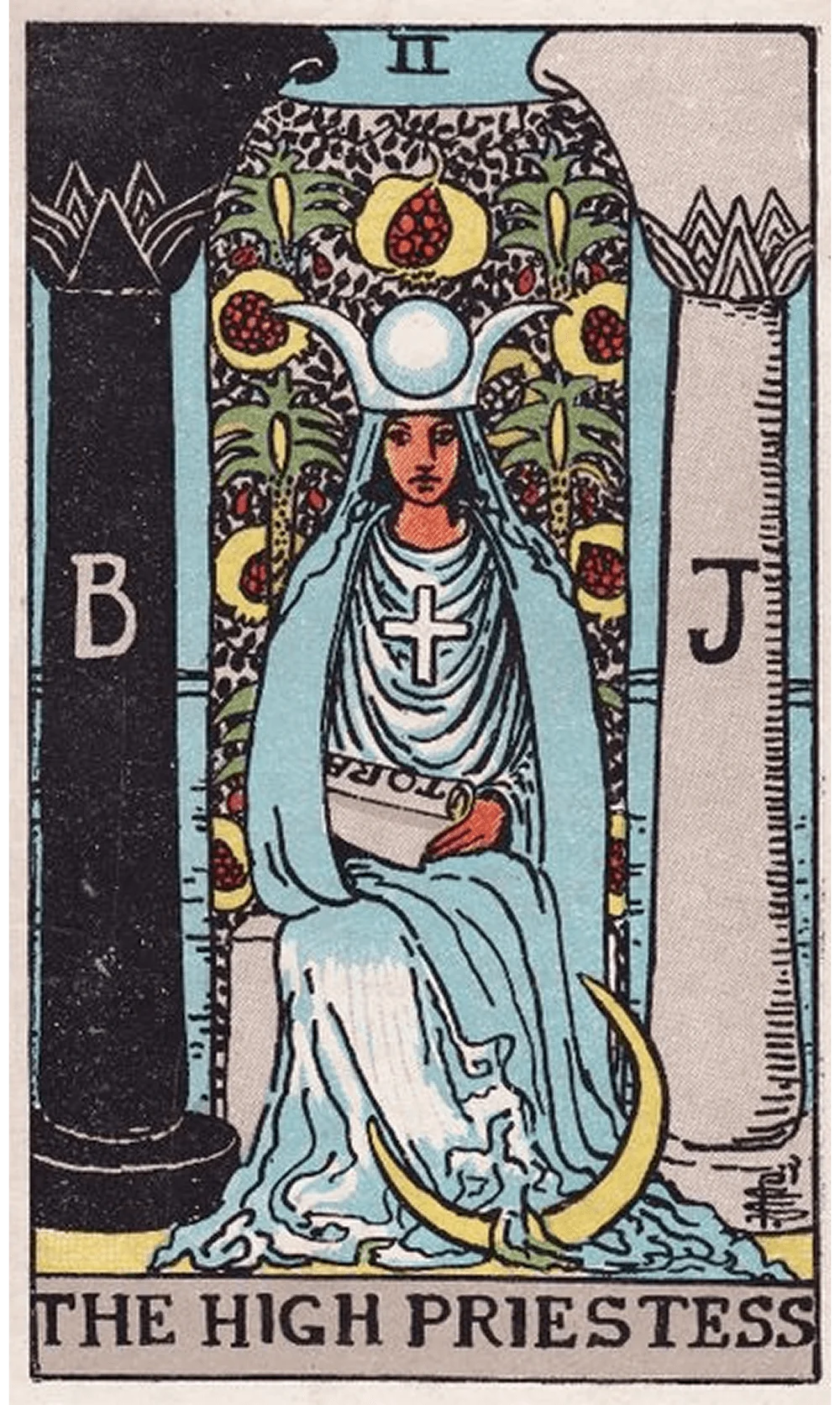
The High Priestess
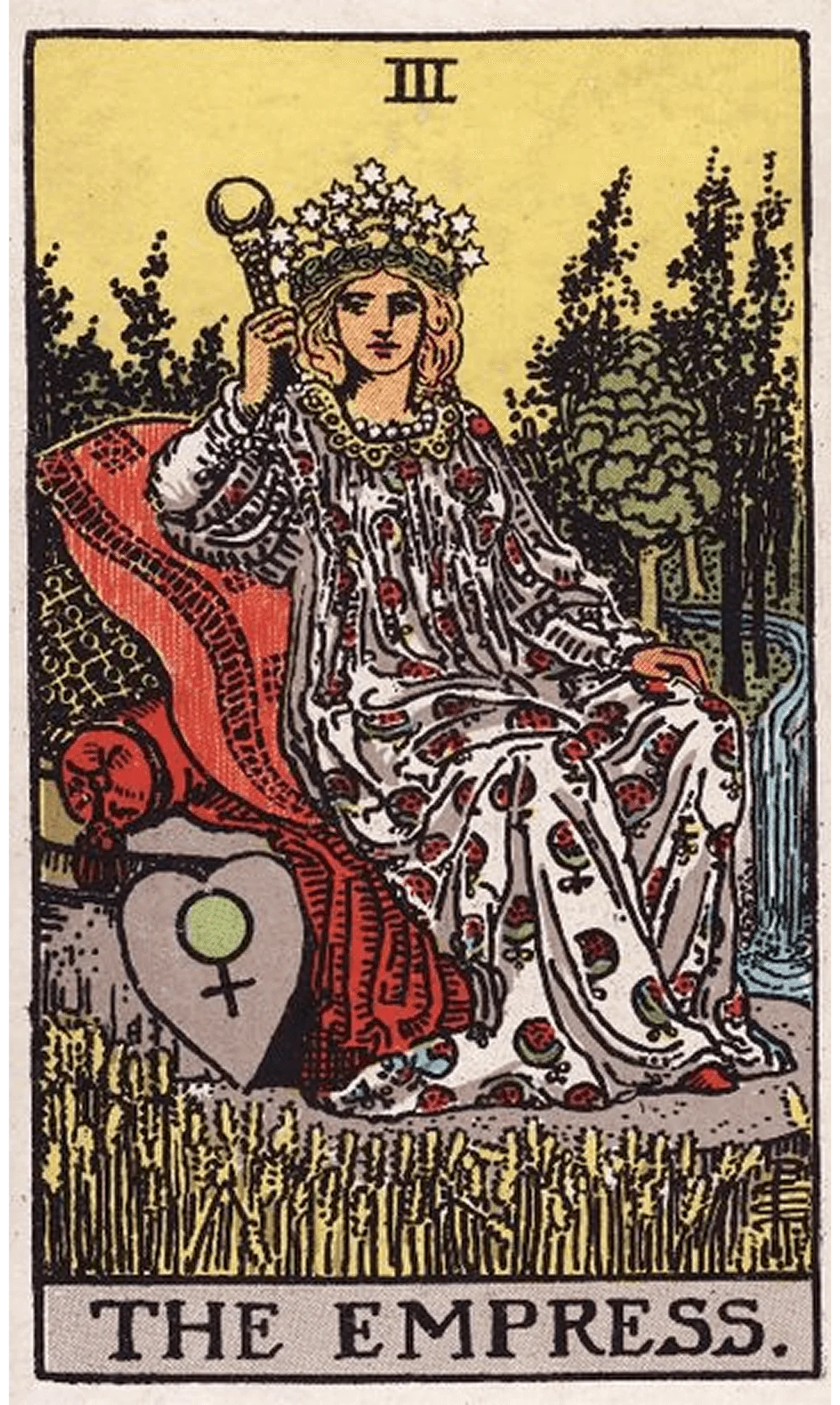
The Empress
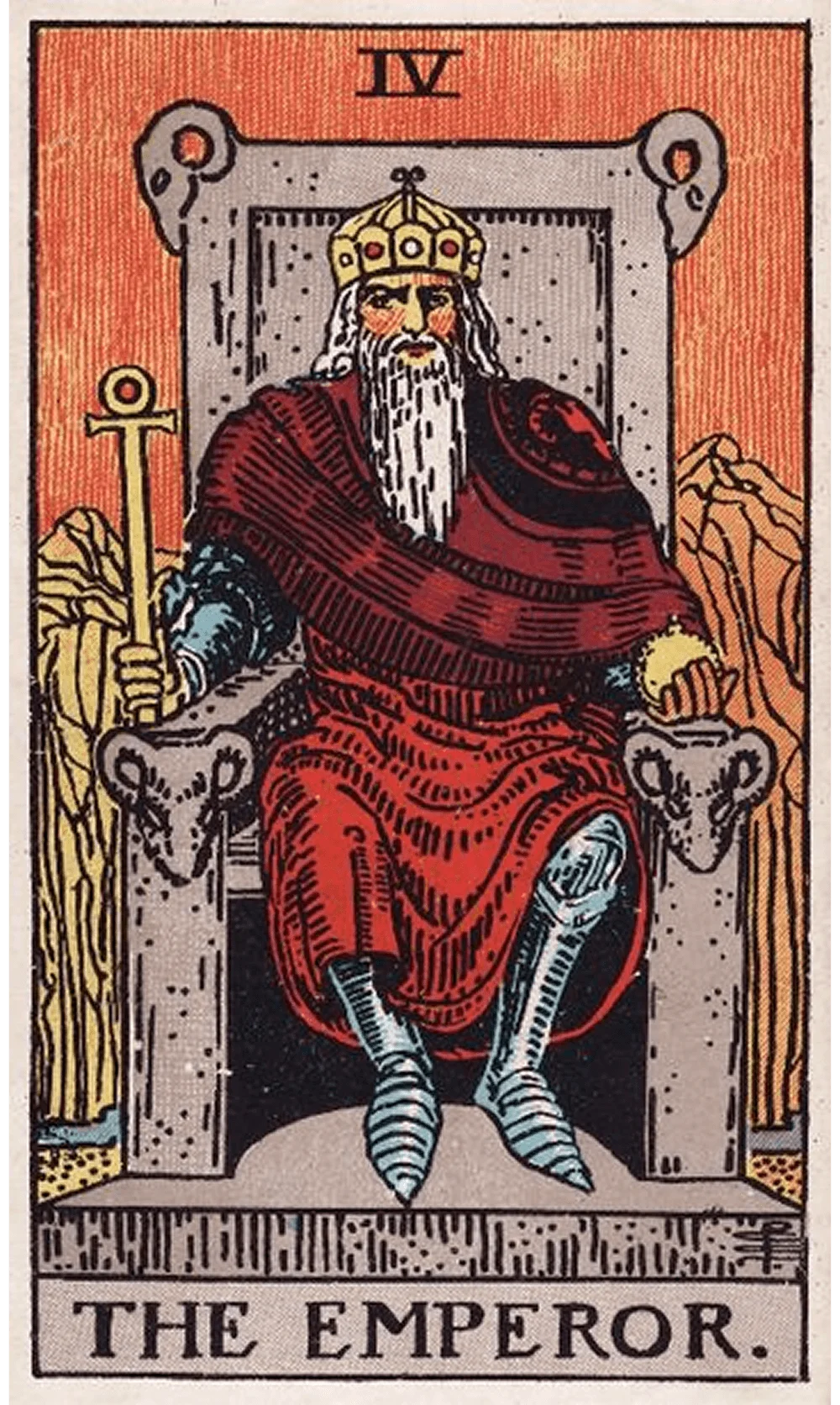
The Emperor
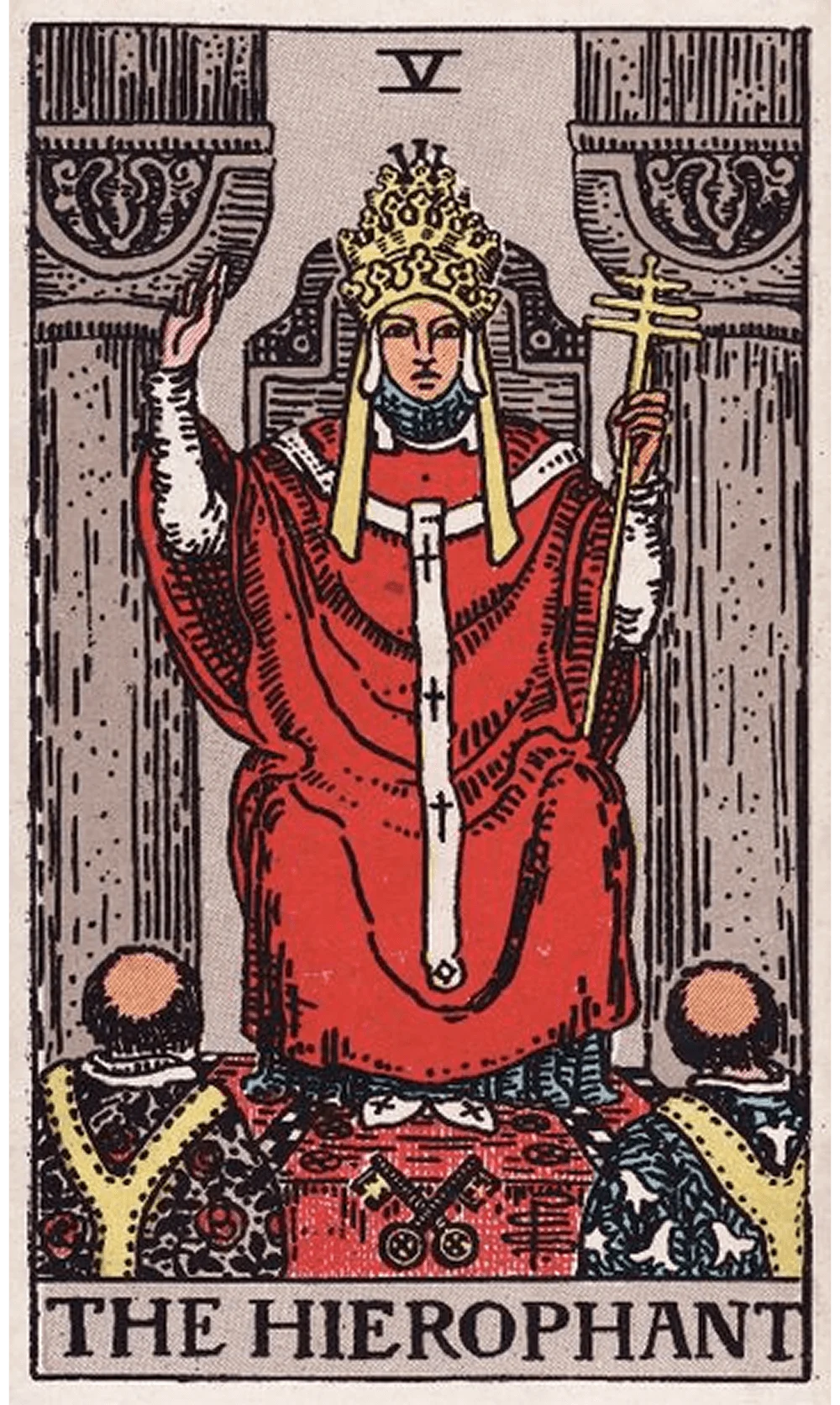
The Hierophant
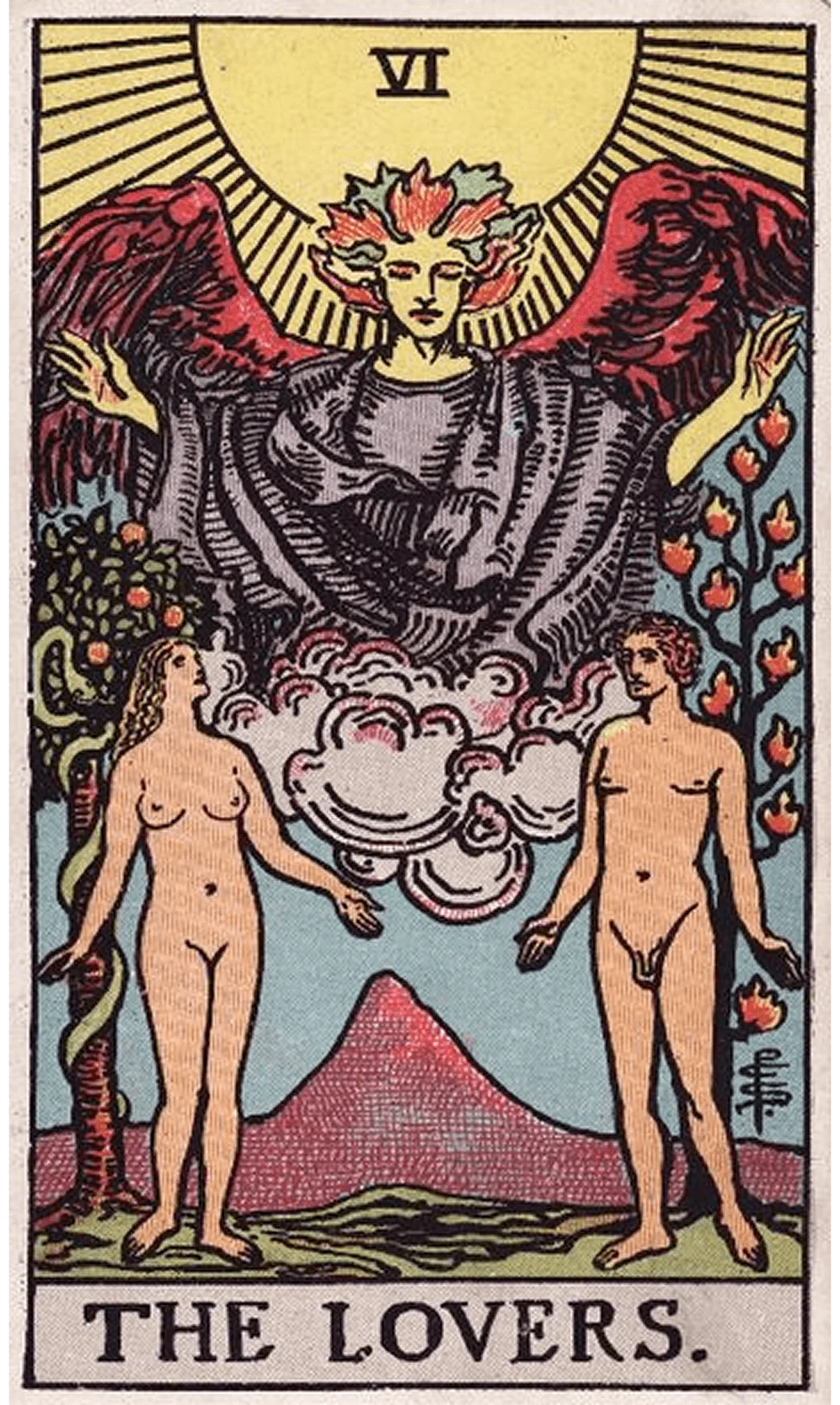
The Lovers
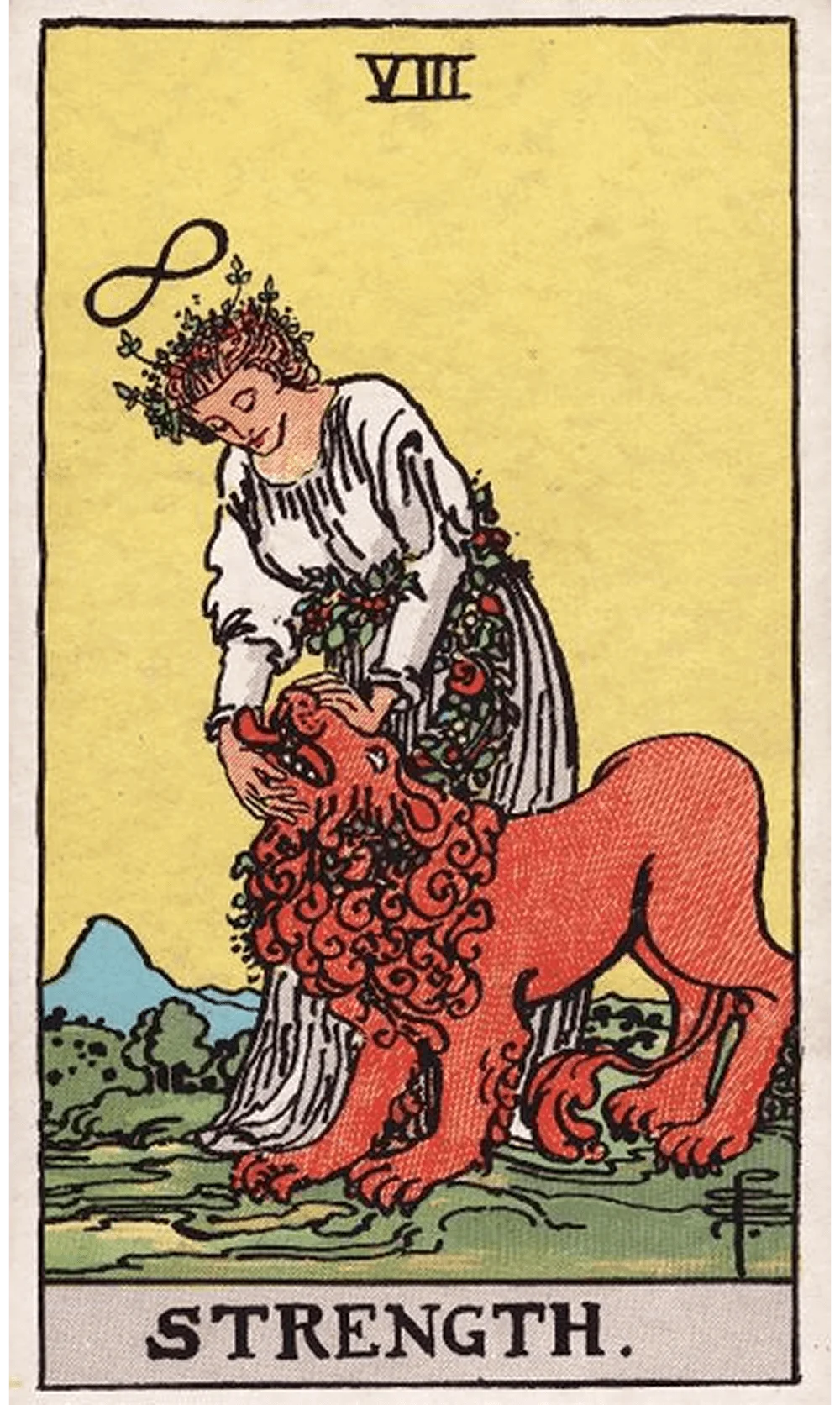
Strength
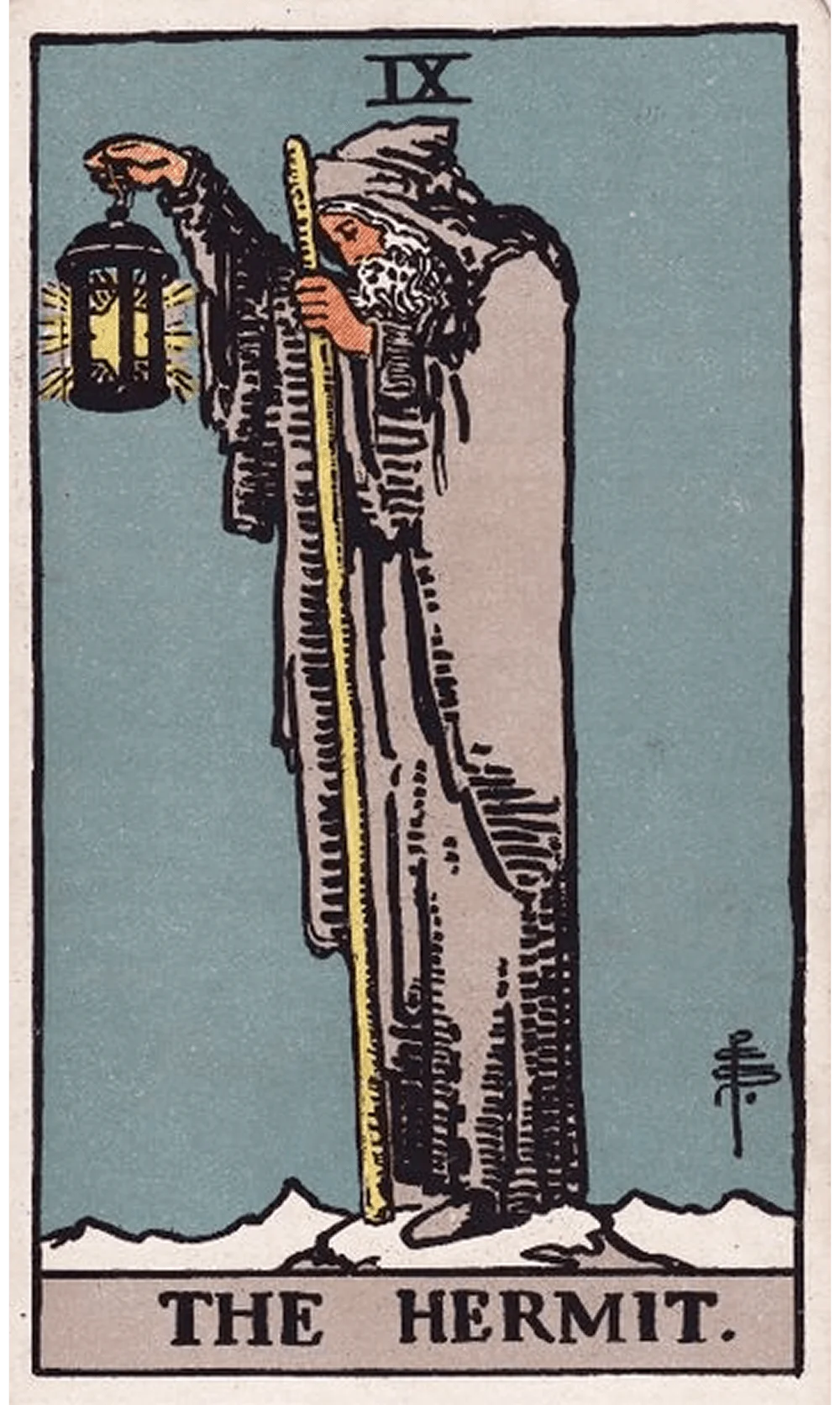
The Hermit
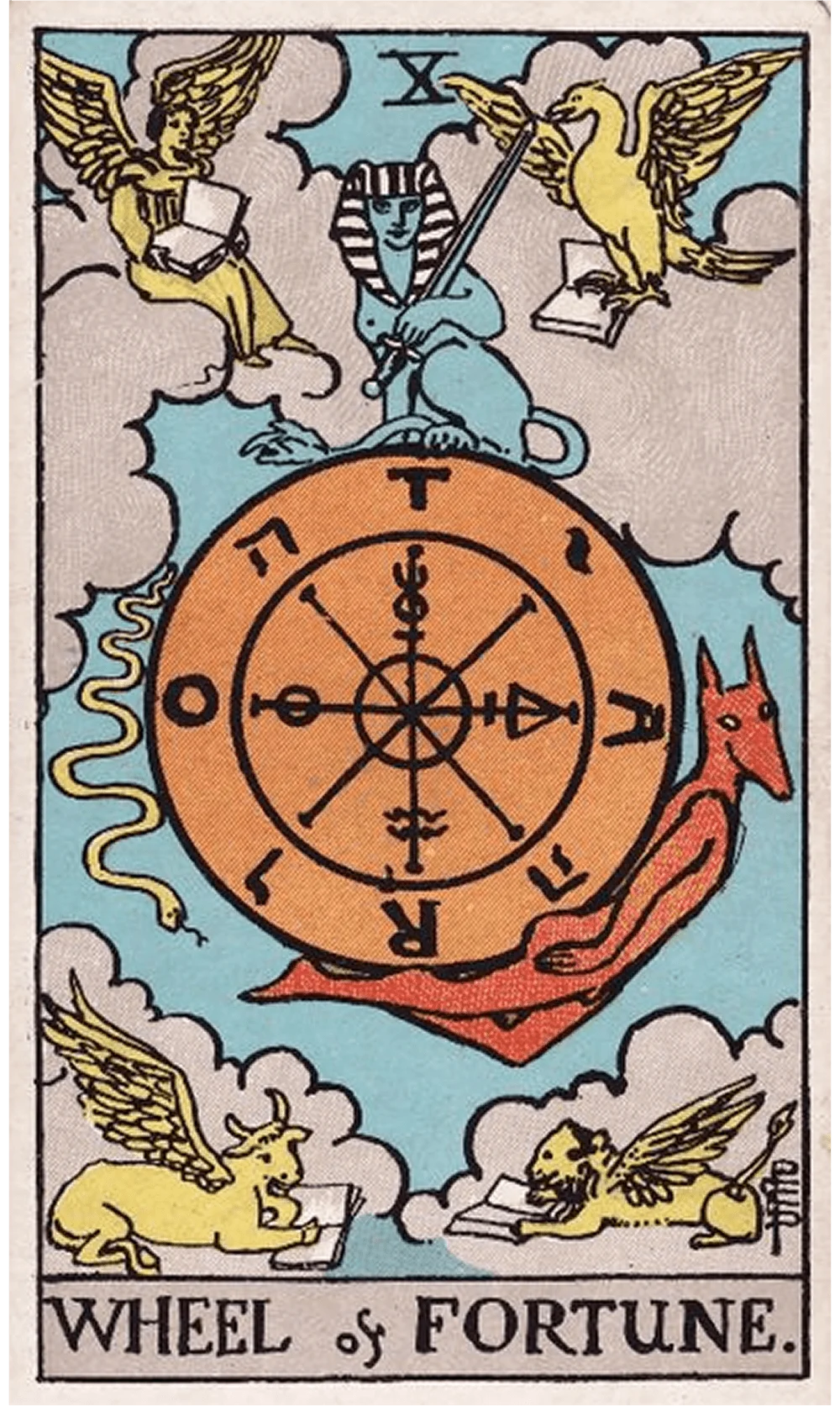
Wheel of Fortune
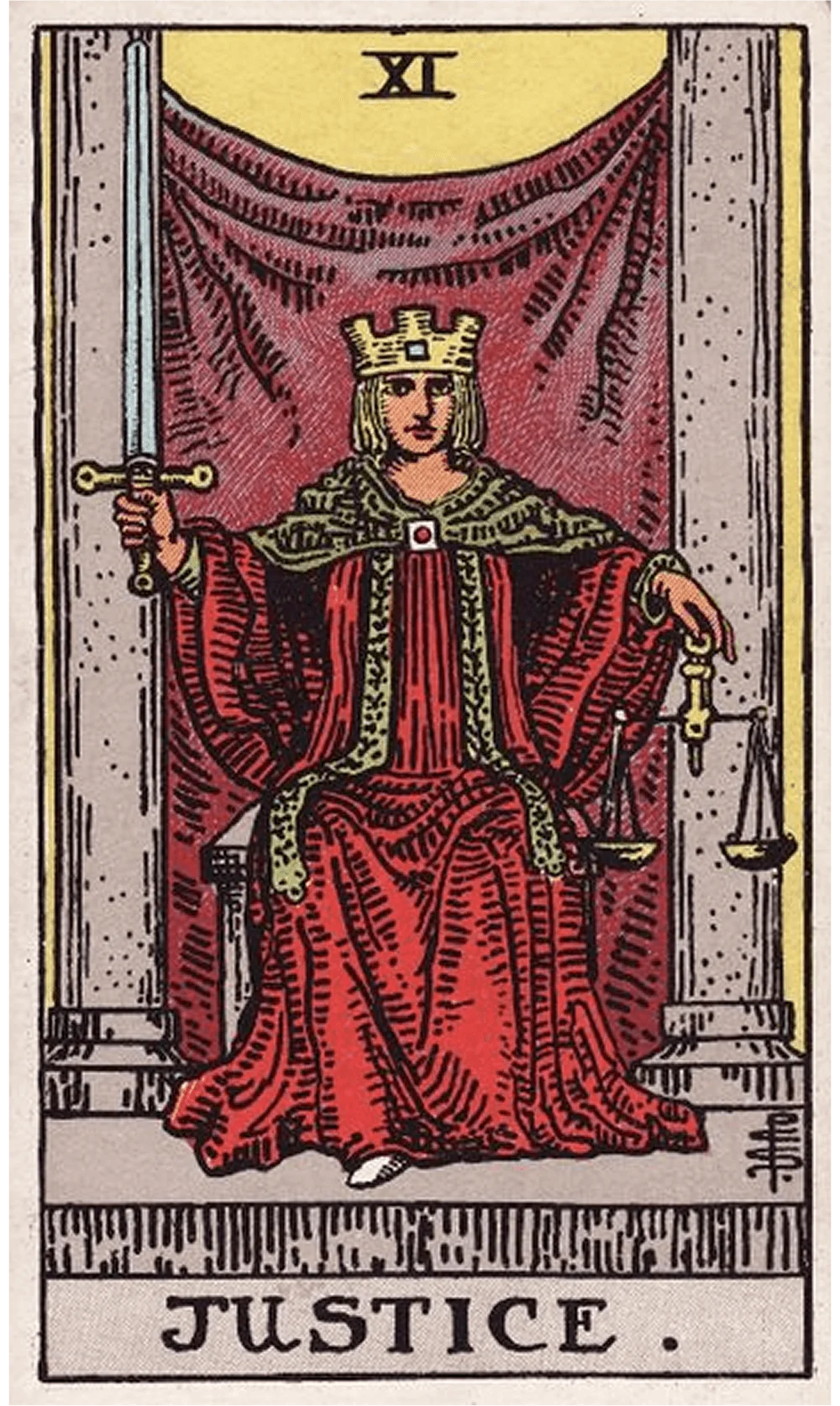
Justice
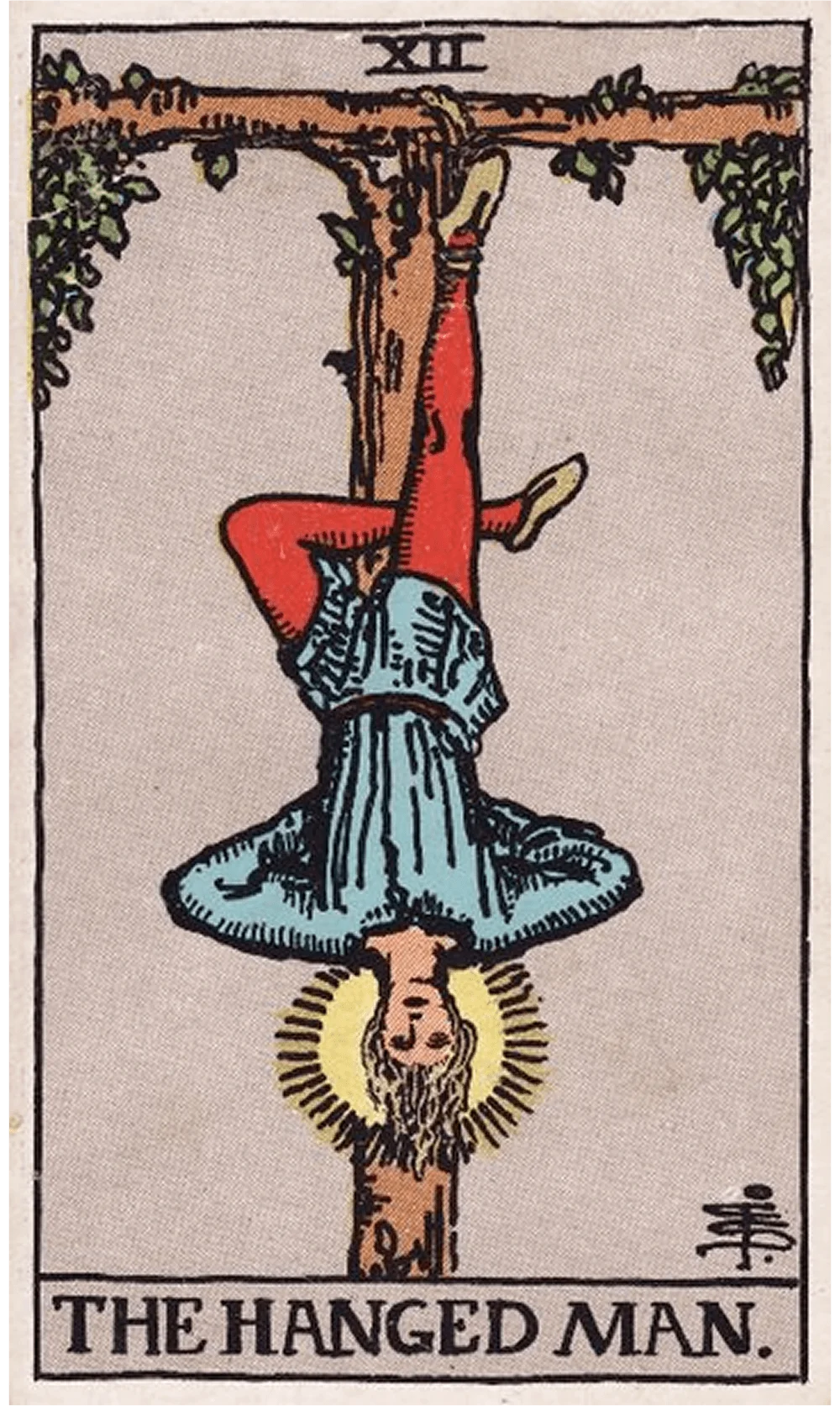
The Hanged Man
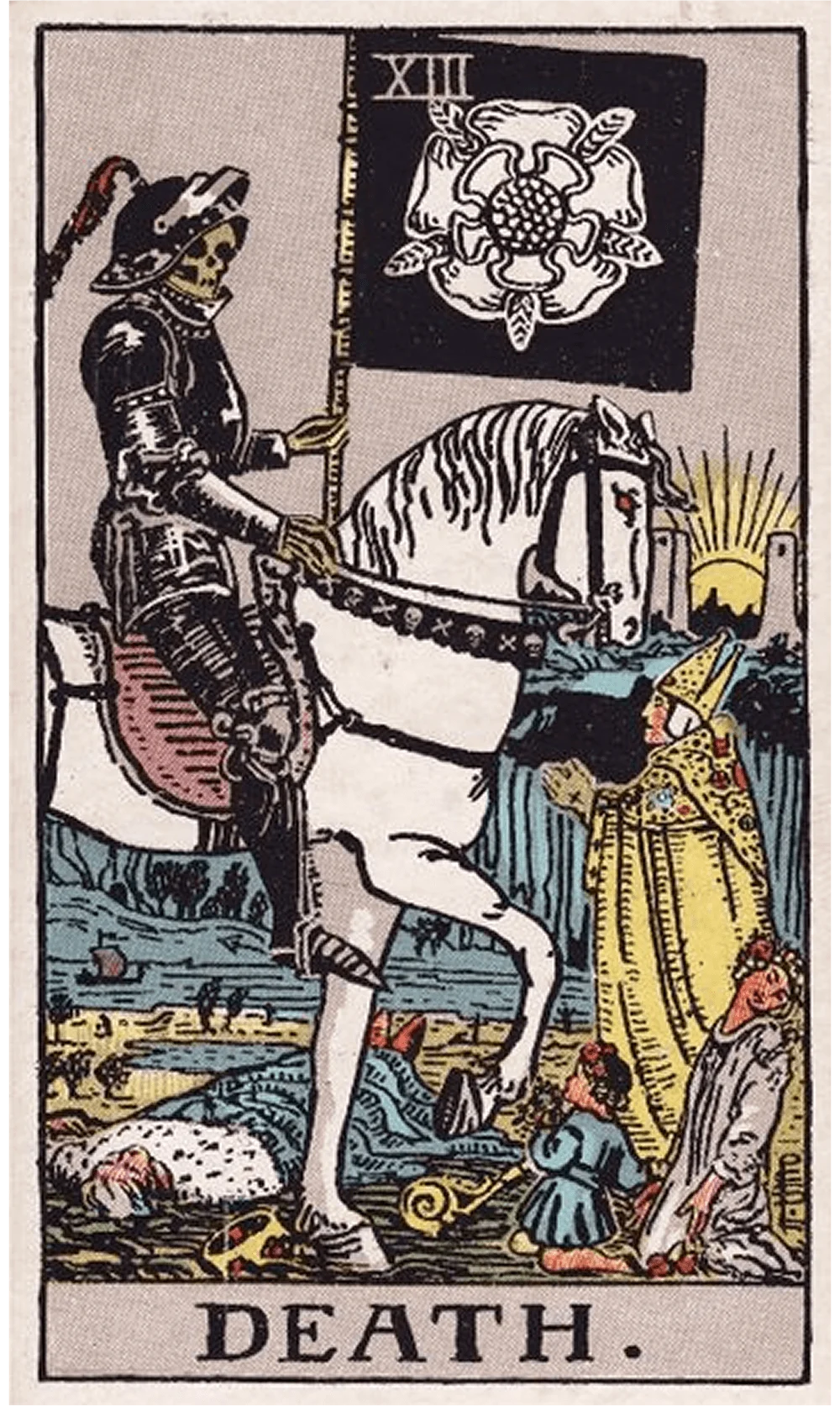
Death
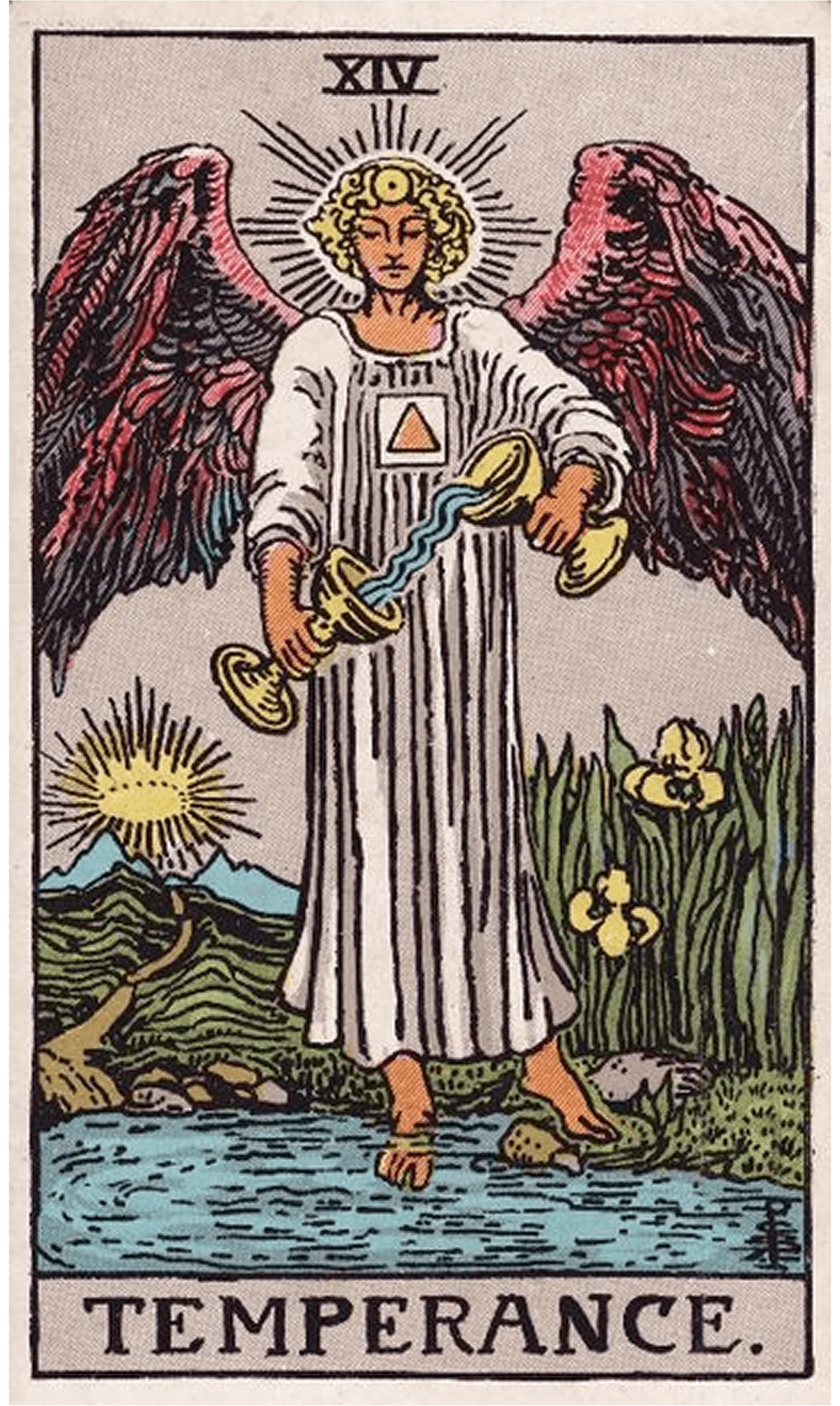
Temperance
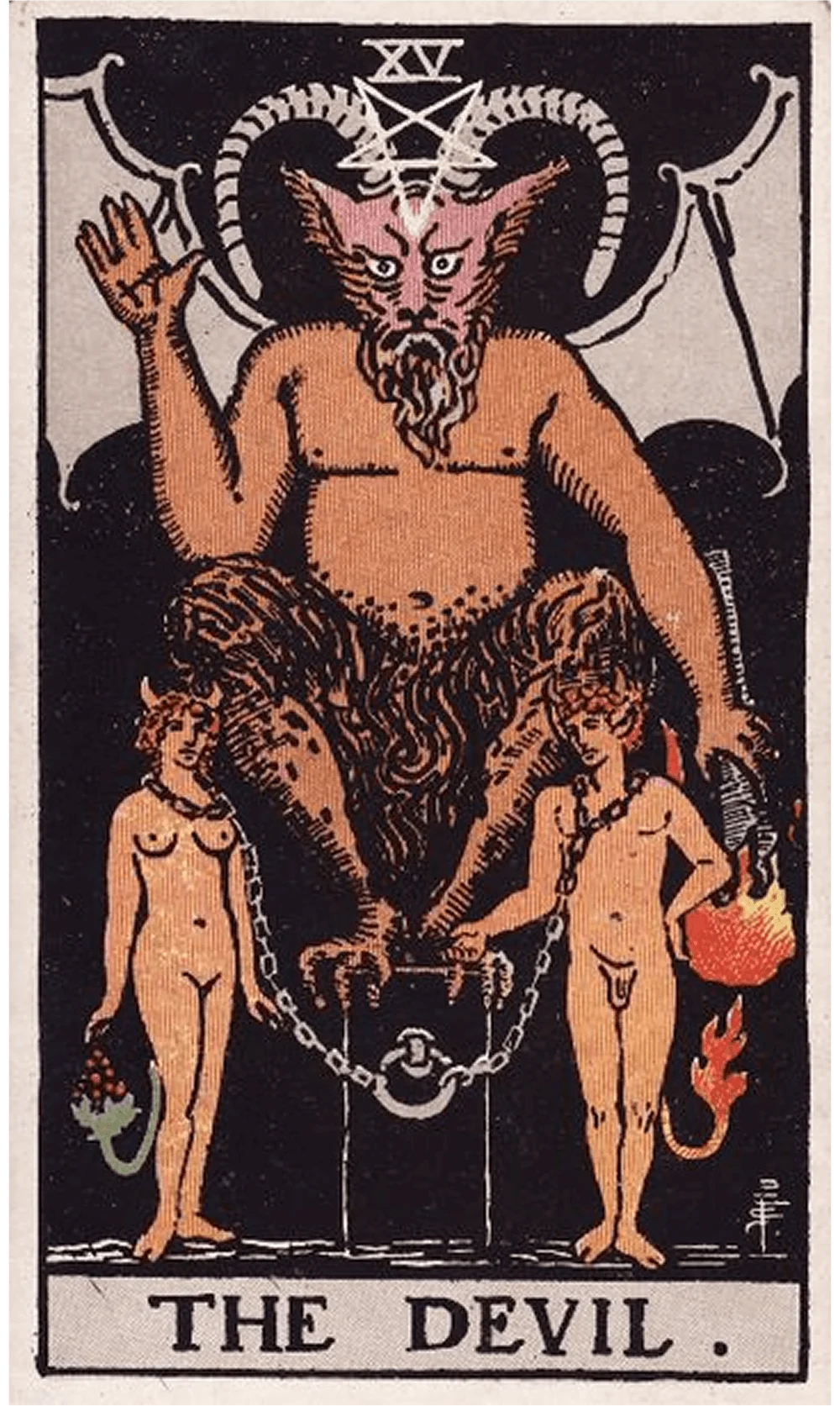
The Devil
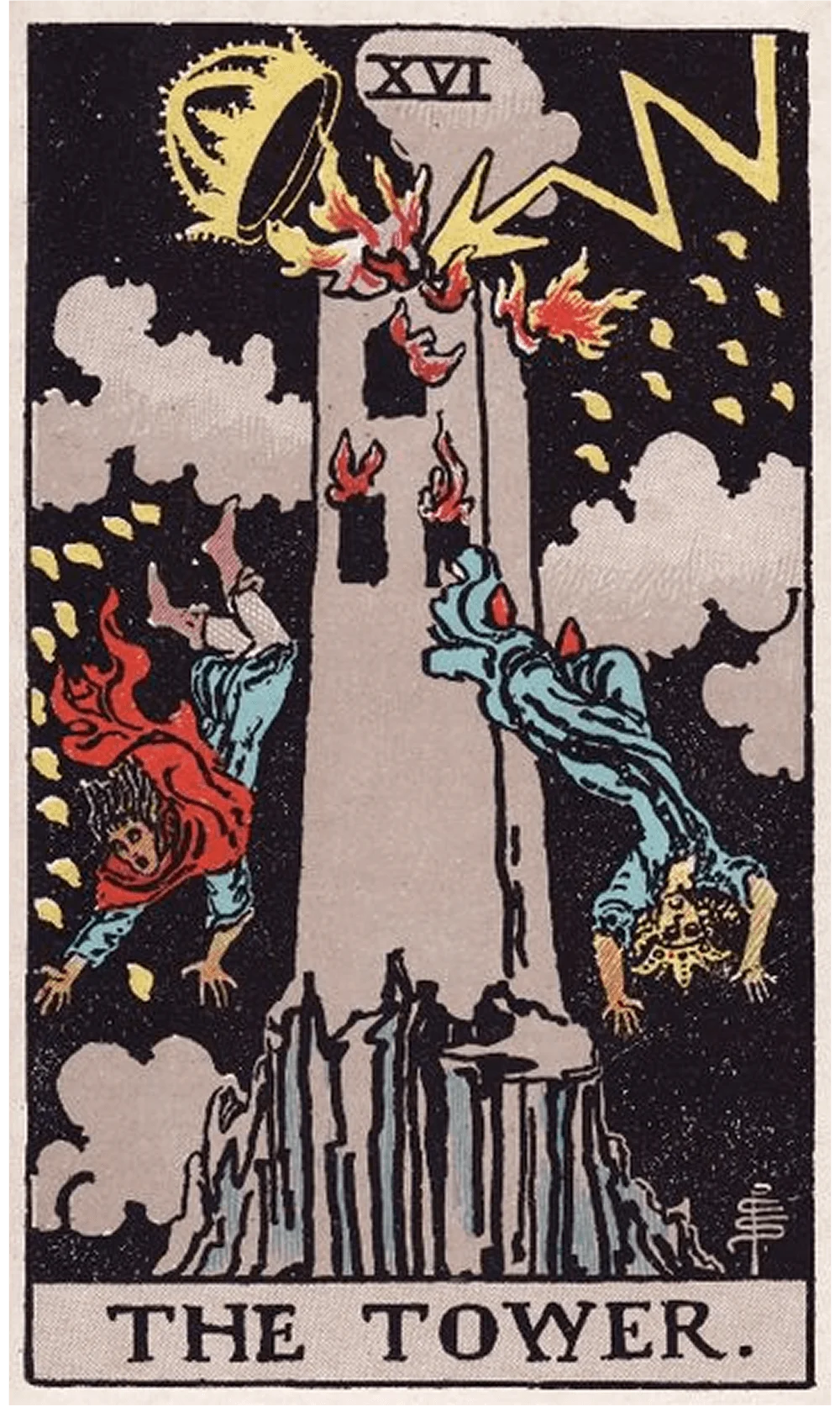
The Tower
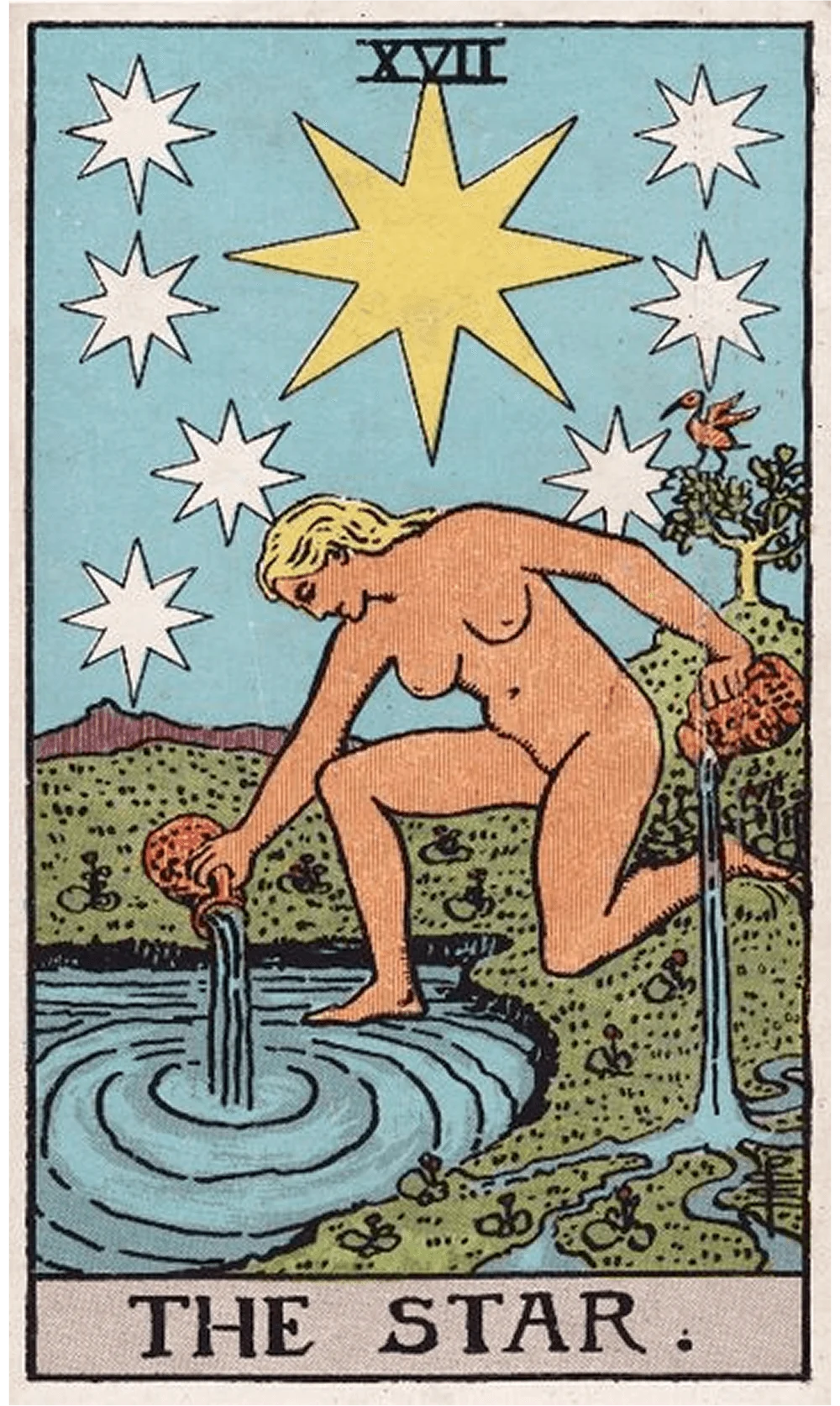
The Star
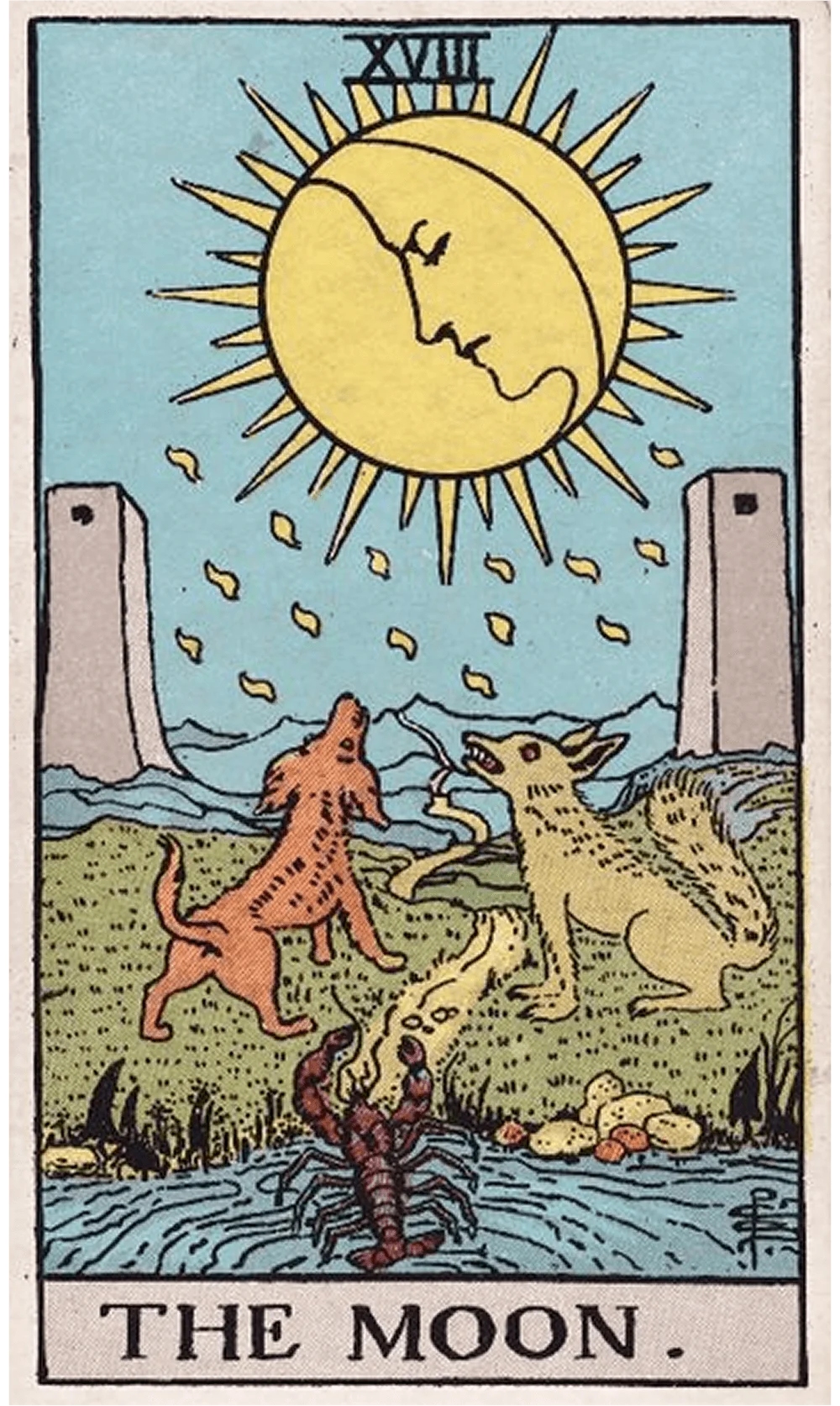
The Moon
The Sun
Judgement