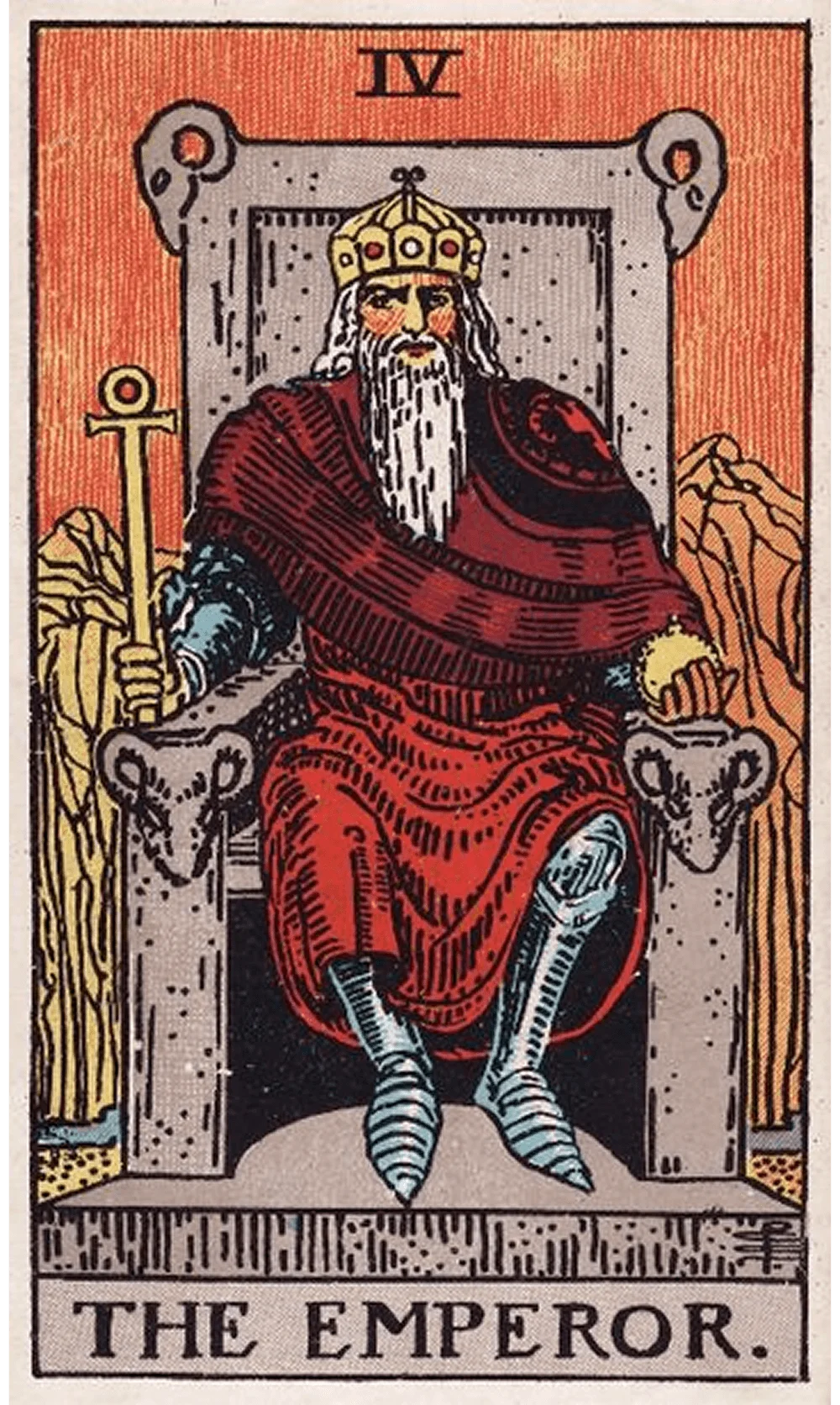
The Emperor
Traditional meaning of the Fourth Arcana: stability, reliability, patronage, help, assistance in growth and realization of plans. Protection of what has been achieved, establishment of boundaries, acceptance of great responsibility. Clear, precise, useful, and effective actions, reasonableness, closeness to reality. The presence of this card in a spread immediately adds solidity and constancy to the matter. But that's not all – under the Emperor's jurisdiction are such meanings as influence, authority, power, and glory. After all, he is the Emperor for a reason! This Arcana is a symbol of firmness and might.
Traditional meaning of the Fourth Arcana: stability, reliability, patronage, help, assistance in growth and realization of plans. Protection of what has been achieved, establishment of boundaries, acceptance of great responsibility. Clear, precise, useful, and effective actions, reasonableness, closeness to reality. The presence of this card in a spread immediately adds solidity and constancy to the matter. But that's not all – under the Emperor's jurisdiction are such meanings as influence, authority, power, and glory. After all, he is the Emperor for a reason! This Arcana is a symbol of firmness and might.
The Emperor generally belongs to the group of positive Arcana, and his appearance in a spread is very, very good. It's just that many people find his impact too harsh. Well, one must assume it's never easy with august persons. Some have difficulty building relationships with the Empress. There are simply more such people concerning the Emperor. The card in a spread speaks of actions from a position of strength, with conviction in one's rightness.
The main meaning of this Arcana is the realization of plans. That is why it can be considered positive. These are real prospects, continuous activity, the will to act, persistent realization of a clear concept relying on proven methods. The Emperor in a spread tells the querent about the logic of actions at present, about achieving a goal, the correctness of the chosen path. The Emperor's energy helps, as they say, 'to bring a matter to completion.' Under this card, the creation, finally, of some structure, concept, understandable scheme, legal basis, and the like often occurs. This is competent management of different aspects of life, stabilization, putting everything in order, precise and clear execution of plans, confident and successful actions, consolidation of existence. It often shows that what is happening is (or should be) framed within social norms and rules; otherwise, it's impossible. Social institutions, large organizations, the authority of laws – this is also the Emperor.
The Emperor shows that clear boundaries are present (or needed) in the situation, speaks of the ability to establish laws and limitations, to defend against someone's aggression or one's own weaknesses.
Traditional interpretation without hesitation informed the querent that 'the realization of your hopes depends more on a certain powerful person than on yourself.' If the person asking the question simply cannot find the Emperor's energy within themselves – well, it's very possible that the old interpreter is right! Sometimes the Emperor describes a strong patron who has great influence (most likely a man, older than the querent and higher in position). However, by the card's surroundings, one can try to determine how positive his role will be – sometimes the Emperor uses his influence to put 'sticks in the wheels' in every possible way.
One way or another, the Emperor shows that there is volitional control in the situation, some structuring leitmotif. In a negative environment, it can indicate that the querent encounters strong opposition, there is despotism, suppression, claims to leadership, someone's tyranny and authoritarianism, straightforward pressure from the master of the situation.
In very rare cases, it means some superhuman force, a 'heavenly patron,' help from above.
Firm and definite. As they say, 'of sound mind and firm memory.' This is a card of maturity and understanding of reality. And when life seems to be falling apart on all fronts, and a person feels they can't cope with anything anymore, the appearance of the Emperor speaks of gradual putting in order – first in one matter, then another, then a third... and the rest follows.
The Emperor heralds contact with the archetype of the Father – hence firm and competent behavior, confident and successful actions. Courage, steadfastness, pragmatism, logic, certainty, practical earthly wisdom, initiative and independence in decision-making, ability to solve life's problems – all this is him. There can also be direct volitional pressure, a kind of indomitability. The Emperor persistently strives towards his goal. His main trait – imperiousness, a craving for control. Under this card come a sense of reality, the ability to create order in one's (and sometimes others') life and to behave with royal dignity, never giving slack anywhere.
As a personality, the Emperor is strong, powerful, and fortunate. This person is a leader in the work collective and head in their family; maybe they are not always in the spotlight, but at a decisive moment they (be it a man or a woman) will without hesitation take power into their own hands and confidently bring the matter to an end. This card likes to represent mature people with a stable position in society, high positions. However, the Emperor can also point to a person of school age if they possess imperiousness, strong will, authority, persuasion ability, and influence on people. Some at fourteen can have a far more impressive managerial potential than others at forty. The Emperor means a 'strong personality,' whose intellect clearly predominates over emotions and passions. The Emperor, like no one, understands what is possible and what is actually needed. Often, such qualities as discipline, amazing endurance, perfectionism, and along with it – a tendency to dismiss at the root everything unclear or the slightest bit dubious manifest through the Fourth Arcana. The weakness of this strong personality is in the non-acceptance of accidents and chaos. Life consists of them to a much greater extent than the Emperor would like. Overly critical, and therefore limited, thinking, great ambitions, and a tendency to keep everything and everyone under control – this is what dries up his life, gradually turning it into a desert. A little rain from the Empress would be very useful.
If he doesn't forget about that – the whole world is his!
The Emperor is a creator and a creative nature, but his pathos is not self-revelation or self-giving, but self-assertion. He expresses himself through conquering territory and arranging it according to his own rules. The Emperor's character sometimes changes for the worse over the course of life, but this is mainly because he constantly feels responsibility for someone or something, the necessity to ensure order, defend his (and someone else's) interests, and this is not always a light and pleasant matter. The Emperor, like the Empress, is first and foremost a Defender. And he defends and consolidates what he feels responsible for, rigidly and concretely. All those who have ever been the object of his care and patronage would agree with this. He is given great realization power over earthly events (The Hierophant – over subtle, mystical events, mysteries, for which an earthly plan is built). Realization power in this case means that a person may not have a high position, obvious resources, or a noticeable status, but events still develop according to their will, shaping the final result.
Another trait of the Emperor – arrogance, but in this case, the word must be understood correctly: he has high standards. He looks at everything from the point of view of the highest standard. That is precisely why it can be difficult with him (if the King of Swords is also looming nearby, then it's quite difficult). The Emperor is always somewhat constrained and bound by the fear of not coping with something unforeseen, random, incomprehensible, which is why his figure on many Arcana looks a bit 'wooden,' symbolizing a rigid internal position. He thinks about how to stay at the height and is not very ready to 'fall' from it (as he understands it); self-control is very important to him.
In the traditional sense, the Emperor points to a mature man with a sufficiently high position in society.
This is contact with the archetype of the Father (male charisma) and experience related to the paternal principle: authority, leadership, strength, the power of order and law (father, husband). Masculinity as such, earthly male fertilizing force, persistence and courage, competence and firmness, all the best in men. Active influence on all affairs they have to solve. When needed, he is able to raise the sword.
The Emperor's strength lies in his readiness to fight, live for, and die for what he protects. The reverse side of his pressure is submission to the collective law. The Emperor symbolizes the unpleasant rules we must accept to become adults. His 'rigidity and heartlessness' are needed to protect us from weaknesses and guarantee the normal course of everyday life.
He is a great organizer, not allowing chaos. But he is conservative and unyielding, and appealing to his heart is not easy, although he tends to impose his point of view, lecture, and control. He suppresses any rebellion in the bud. Psychologically, the Emperor corresponds to the ego, protecting our consciousness from those influences it cannot successfully 'digest' at the moment for some reason.
The Emperor is a structure-forming element; he symbolizes our striving for stability, security, and consistency, and he brings them – everywhere and in every sense. He embodies humanity's eternal striving for independence from living conditions, from the whims and calamities of Nature and our own nature. Thus, he corresponds to the striving for civilization, thanks to which people do everything to protect themselves from heat and cold, hunger and dangers, uncertainty and ignorance. Even though much is done too insistently, it does not negate the positive aspects possessed by this will to order. The Emperor combines not only the striving for order, a sober mind, discipline, a sense of responsibility, and pragmatism but also their extremes – stubbornness, rigidity, the desire to 'improve' everything endlessly, a thirst for power, and despotism. This is the crystallization of willpower – with all its pros and cons. Sometimes attempts are made to find some softened and more 'pleasant' image for this Arcana, but there is no point in running from the energies of the Emperor as they are – disciplining, rational, and obliging – they hold up a great deal, like the fundamental laws of the universe.
Just as the Empress possesses colossal spontaneous life-giving energy, fertilizing like rain everything it pours upon, so the Emperor possesses a colossal structure-forming and ordering stream of intelligent will, which 'processes' everything that falls under it (resistance is useless). One must not forget that all Major Arcana are demiurges. They are not just 'a bit stronger' than the Minor ones. They describe the forces that create the world. This thought is most accurately reflected in Kabbalah. It is generally accepted that the Major Arcana describe the inner, spiritual layer of being, while the Minor Arcana describe external everyday situations. In general, this is so, but it does not follow that Major Arcana are not reflected on the external plane. They create it! This is completely obvious in the case of the Emperor. As Banzhaf and Akron write, the Emperor gives each 'sprout of life' (the gift of the Empress) a certain direction.
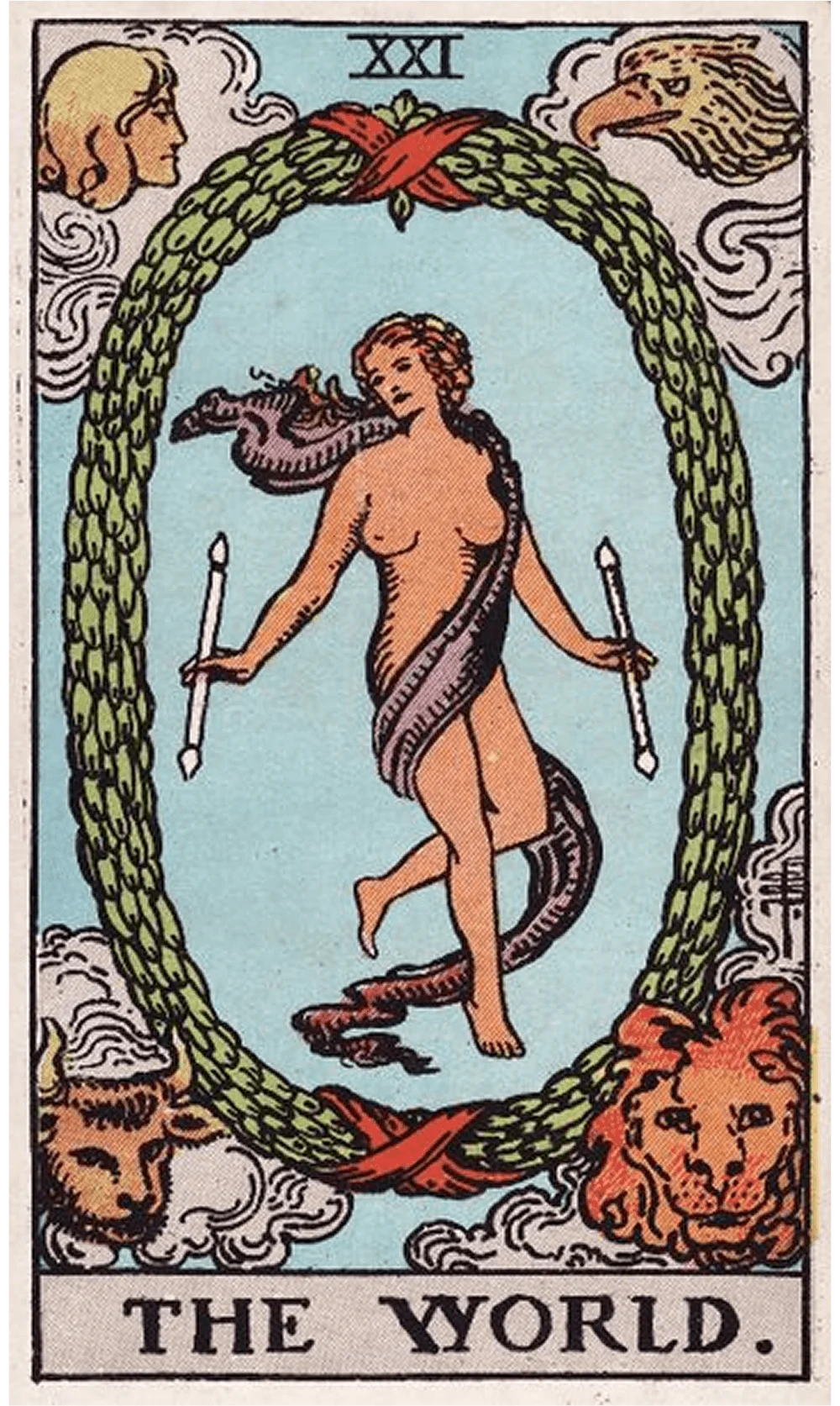
The Emperor is associated with the Great Deity worshiped by the Pythagoreans in the form of the tetrad. The realization of the ideas of being is proportionate to the fourfold work of the mind: Affirmation, Negation, Discussion, Decision. The symbols indicate that the Emperor is a demiurge, the great King of the Lower World, the Architect of the Universe. The Emperor is clad in armor, and on his stone throne, one can often see the image of a phoenix. The Emperor embodies the 'fire of life,' nourished by the Alchemists' Sulfur. His posture with crossed legs is a symbol of sulfur, the sign of the ancient 'alchemical monarch' (this symbol is also found on The Hanged Man and The World). The stone throne indicates that the Emperor's exceptional life energy and unquenchable thirst for action are subordinate to Reason. He holds either a scepter in his right hand and an orb in his left (the orb is evidence that he is the chief ruler of the world) or a scepter with an orb at the end, resembling in shape the Ankh (Crux Ansata, the symbol of life in the Egyptian tradition).
On the Emperor's chest are depicted the sun and moon (symbolic eyes of the supreme Deity). The Arcana often depicts a Lamb – either on the throne or as the tip of the scepter. The Lamb indicates that he rules, humbly renouncing his lower 'Self.' This is also a correspondence to the astrological sign Aries. Esoterically, the Emperor corresponds to the month of Nisan – this is the month of the birth of the Jewish people, the month of the Exodus from Egypt, the month of the Passion and redemption. The sign Aries symbolizes both the sacrificed Lamb and the flock of sheep obediently following the Shepherd. Those born under the sign of Aries are associated precisely with the leader, the shepherd, the guide. They are characterized by a sense of Mission; the mystery of their life is the search for their kingdom, the promised land. And incorrectly used leadership qualities often lead to severe consequences requiring an atoning sacrifice, also fitting into the symbolism of the month.
The moral categories that serve as the Emperor's support are 'sight' and 'blindness.' 'Sight' helps him see the world and the consequences of his actions clearly. 'Blindness' allows him not to notice the world's flaws and sufferings and not to renounce his free will for the sake of future progress. 'Speech' also relates to this card, and the spirit teaches a person to give importance to every word and handle them carefully because words are one of the means by which a person creates reality. In Crowley's cards, next to the Emperor is depicted a coat of arms with kissing doves against the background of the rising Sun, a symbol of the Holy Spirit and that selfless love that sends it.
Historically, the Emperor is an allegory of absolute power and a symbol of male initiation rites.
Authority, influential position in society, leadership position, great power, leading roles (at least in the context of the querent's current situation).
Can symbolize success in public affairs, at work, working in a large firm.
The card favors concluding agreements, contracts.
Keywords of this Arcana – organization, stability, power, and order. All sorts of business plans, development schemes, business process matrices, creation of clear organizational structures, and the like fall under the jurisdiction of this card. Active actions to stabilize the situation, introduction of all sorts of procedures for quality improvement, measurement of effectiveness, etc. Unification, merger of organizations under the aegis of a stronger one.
Sometimes this card points to occupations where severe patriarchal discipline reigns, but whether it's the army or a ballet school is another question.
Resolution of legal issues, financial management, real estate, and other solid occupations. The Emperor often indicates seriousness, thoroughness, continuity of processes, duration of projects – one can safely assume that the business will withstand any difficulties, especially provided that its creators do not get involved with unreliable business partners and confuse intimate partners in the matter.
Favorable – emperors usually do not suffer poverty. Potential for achieving success in the financial sphere. Legal income. Wise management of monetary resources. Stabilization of financial position. Favorable housing situation. Resolution of legal issues and problems related to real estate.
"There is no happiness, but there is peace and will." The Emperor is not particularly good for tender relationships. He is characterized by scarcity of feelings and lack of flexibility; qualities such as self-confidence and dogmatism, dominance, a craving for control often manifest. The Emperor (of any gender) always wants to do everything their own way. Their partner will encounter not so much feelings spilling out towards them, but clear decisions made about them. Sometimes the Emperor reports the appearance on the horizon of an interesting, influential, but very closed person whose true feelings one will never manage to learn.
Against others, the Emperor may stand out for 'rigidity and heartlessness,' restraint, reasonableness, and a very sober view of things. They are attracted by certainty, thoroughness, and clear formulations. They will measure seven times before cutting. But what they cut off cannot be sewn back – it will indeed be a Decision with a capital D. It's not easy to ring this bird, but if one succeeded, one can rely on the Emperor.
This Arcana favors family matters because it is the progenitor and head of the family. Dynastic questions occupy not the last place in their head (but primarily in the head, not the heart). In relationships, this is constancy and commitment, clarity and confidence, adherence to rules, unromanticism, but absolute reliability. The Emperor cannot stand frivolity and ambiguity. They know clearly what they want and don't want. A classic Emperor will insist on legal marriage and clear principles, no casual connections, only long-term and strong relationships. However, if it's not about marriage, a rigid internal position in the relationship will still be present, expressing itself one way or another (surrounding cards may suggest about what and how). This is a card of convictions, confidence, and loyalty to the chosen path.
The Emperor often describes a man who married not the woman he loved, but the one he decided to marry for various reasons (reasons can be very diverse, from pragmatic to dramatic). Traditionally, this is a very 'masculine' card, but such an emotional experience can easily manifest in a woman's fate – in the form of a 'smart marriage.' The raging heart is tamed, responsibility and will have taken precedence over personal turmoil, and the Emperor becomes an honest husband/wife, scrupulously observing marital duty, a responsible parent, a practical and thorough householder.
The Emperor often turns out to be almost a despot – demanding, calculating, firm, strict, and emotionally closed. He had to curb his restless feelings, because of which he may seem somewhat severe, but in fact, he is secretly grateful to the one who allowed him to enjoy his own masculine maturity. He draws a line under his past and devotes himself to marriage. Now he is ready to defend what exists with all determination. The Emperor embodies a mature and rational approach plus an outstanding ability to guard his territory, in the literal and figurative sense. Simply put – trying to 'steal' the Emperor's other half is not recommended (and if the King of Swords or Seven of Wands is nearby – it's dangerous for health). In a difficult situation, the Emperor gives determination to fight for domestic harmony, for concluding or preserving a marriage (and almost certainly with success). He never compromises and knows that there are forces that cannot be overcome by goodwill and 'understanding' alone – sometimes determination is needed to raise the sword and take reasonable actions to protect honor and dignity. He always defends his home from external danger, and he is driven not so much by turbulent passions as by clear concepts.
The Emperor has good potency, thanks to which he never doubts himself as a man, but his peculiarity is that he is actually quite conservative and restrained, and for him, there are many taboos. Therefore, the only place where he still gets lost is the sensual kingdom of the bedroom. Here he cannot establish any boundaries – here his Empress rules.
The Emperor covers fatherhood (at least the fundamental ability of a man to fertilize).
The Emperor is the ruler of the human body, 'creating and vivifying.' He is a symbol of the real physical world, rebirth, and strengthening, therefore considered an indicator of robust health.
Sometimes it can point to heredity on the paternal line.
The reversed Emperor can speak of headaches, lack of vitality (or sometimes, conversely, hypertension), specifically for men – problems of the sexual sphere like prostatitis. Rarely indicates wounds, injuries as a result of an accident, as well as apoplexy.
Here, 'sound mind and firm memory' are in short supply. Insufficient clarity of thoughts, indecision, lack of concrete actions, weakness of will. Immaturity, confusion, inability to achieve a goal. Lack of strength or their wasteful expenditure. Traditional interpretation – collapse of plans, the design is not destined to materialize. This position may warn of failures at work, or of the presence of forces hindering the development of affairs. Perhaps it's about a 'strong' (influential) person who is not on the querent's side and will rather oppose than help, or maybe cosmic flows are simply going in another direction. The card often means unjustified inaction, but sometimes senseless stubbornness. These can also be unfounded and failed claims to the 'throne,' power, a high position.
Perhaps at the moment, someone (or the querent themselves) is perceived as a hero dethroned. Sometimes the reversed Emperor highlights the fact that a person actually doesn't manage or control anything in their life; all the power they have is nominal, not real. And most likely, the reason is deep dependence on strong, authoritative people. Such a position of the card can signal that there is someone in the querent's life who has completely subjugated them. As a result, the person is incapable of solving even insignificant problems and cannot control the smallest emotions.
In the reversed position, the Emperor card symbolizes the denial of authorities, unwillingness to participate in the lives of others, failure to fulfill one's duties (particularly paternal ones), ignoring everything legal, ordered. Sometimes points to difficult relationships with the masculine (including paternal) principle in general. Rarely points to non-traditional sexual orientation (in both sexes).
Traditional interpretation: war, conflict, injury, insult.
With The Empress – guardianship and care. Another meaning (from old ones) – wealth slipping away.
With The Hierophant – adherence to rules, principle
With The Lovers – the necessity to make a hard and definite choice
With Justice – gravitation towards legality, lawfulness, and transparency
With The Tower – the necessity to defend one's cause from great danger
With Temperance – advice to moderate activity and choose a more flexible tactic
With Two of Wands – growth of authority
With Seven of Cups – a bad combination, disorderly life, meaningless spending
With Three of Swords – provocative behavior, causing pain to others
With Five of Swords – circumventing rules, breaking laws
With Four of Pentacles – a huge craving for control and order
With Seven of Pentacles – a fee
With reversed Ten of Pentacles – a win (from an old dictionary).
Father-gods: Yahweh, Wotan (Odin), Zeus. Cronus. Patriarchs and progenitors.
As a negative archetype – the Emperor himself from 'Star Wars,' also Darth Vader (especially in the father aspect).
The Roman Empire at its peak.
Cards from the same group
The Fool
The Magician
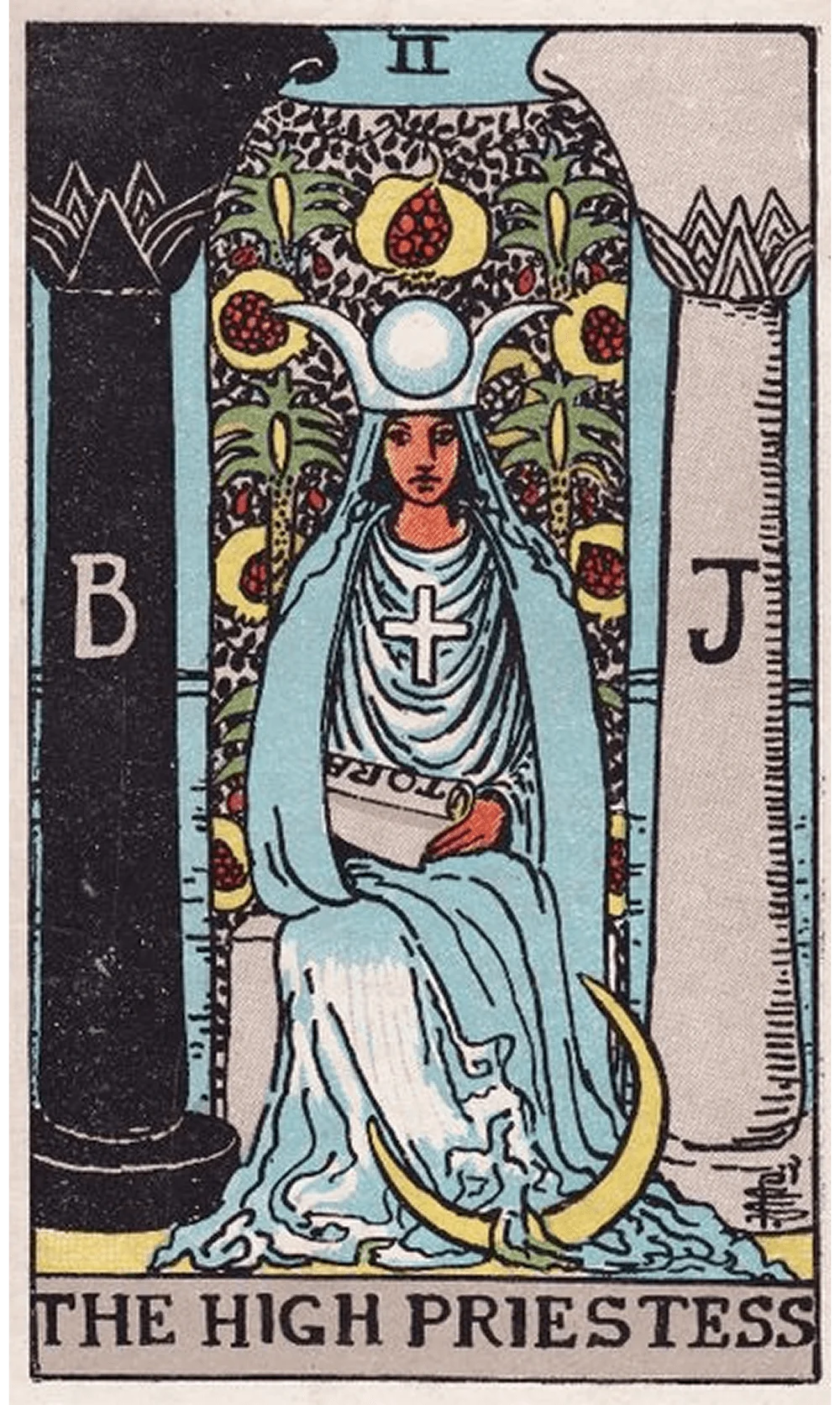
The High Priestess
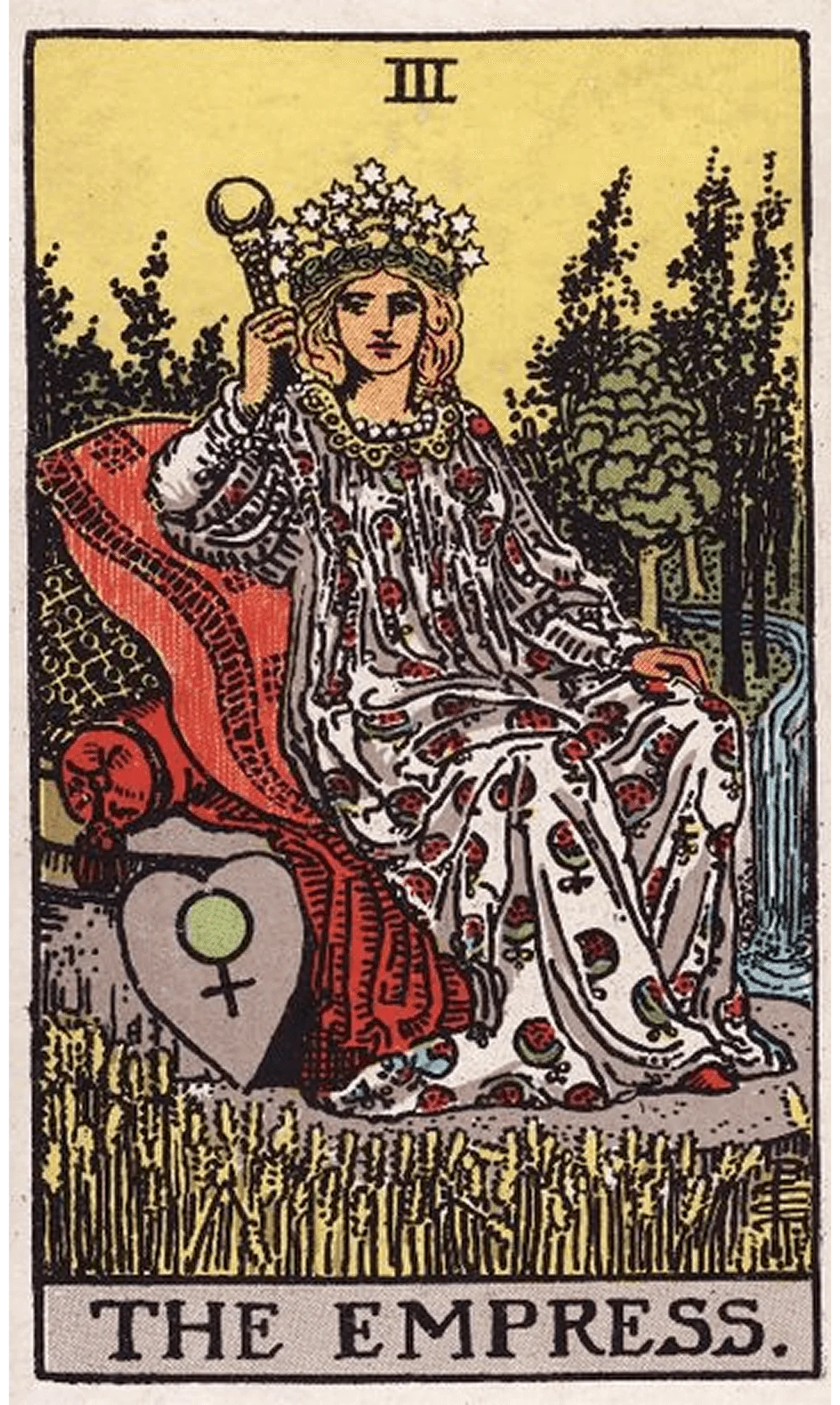
The Empress
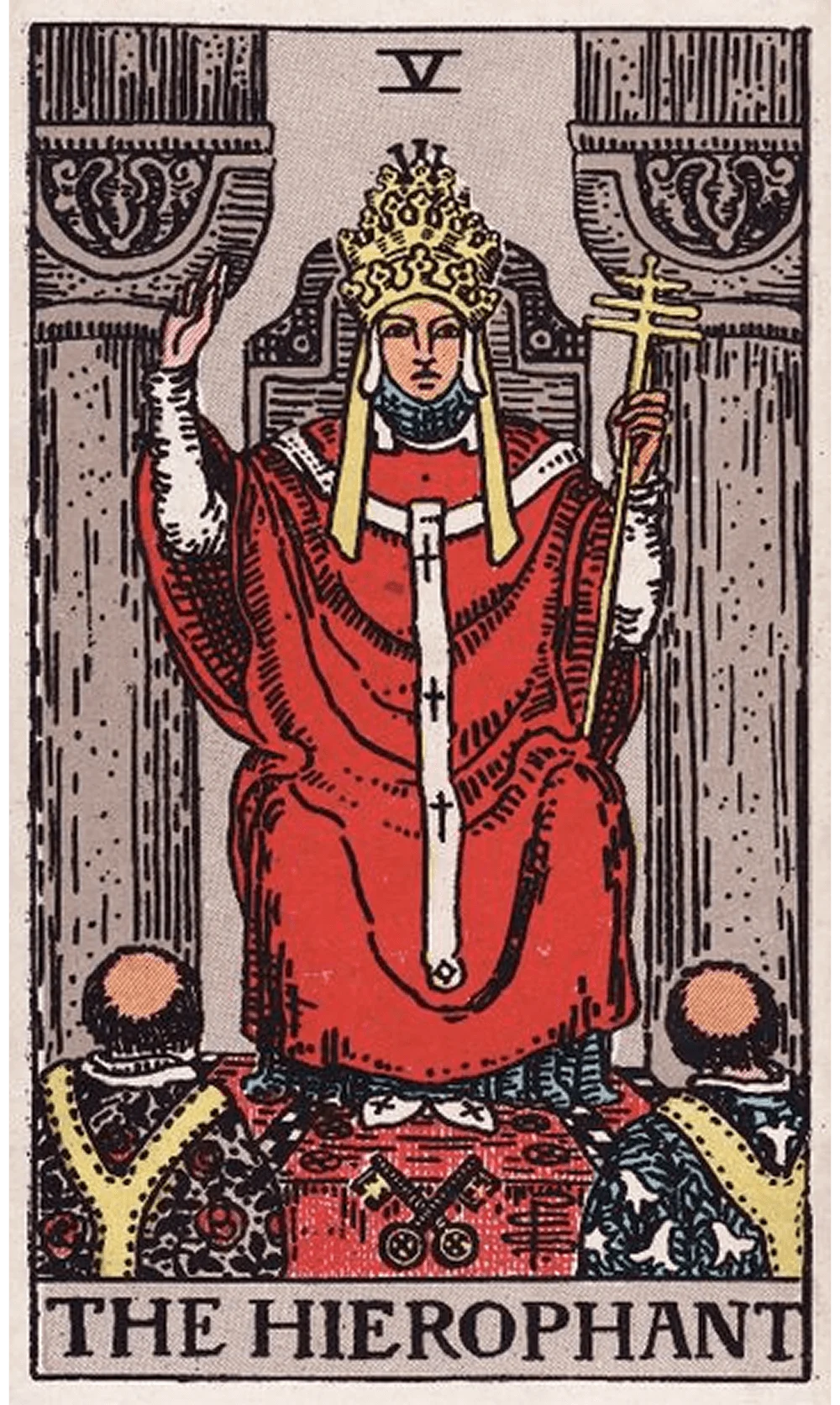
The Hierophant
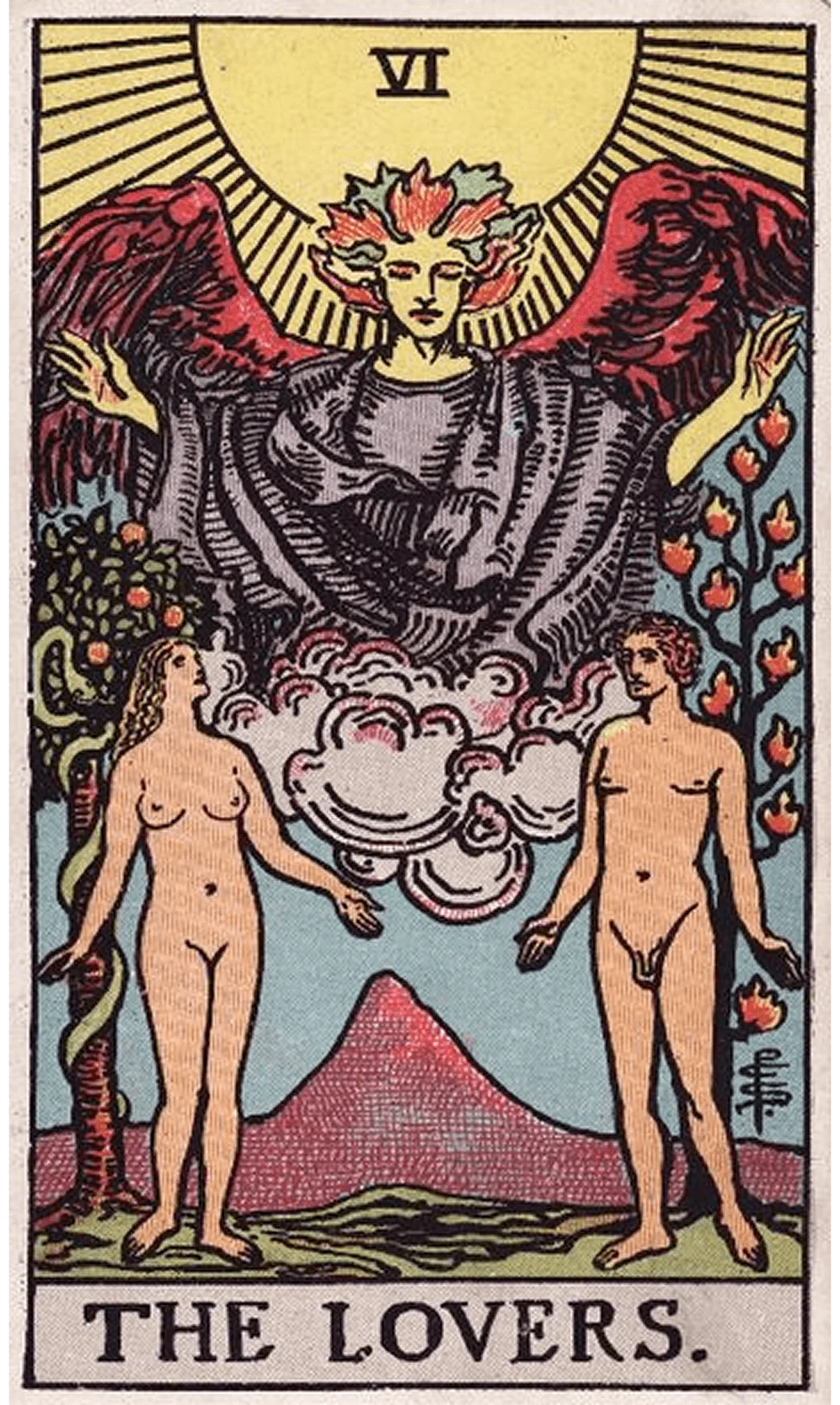
The Lovers
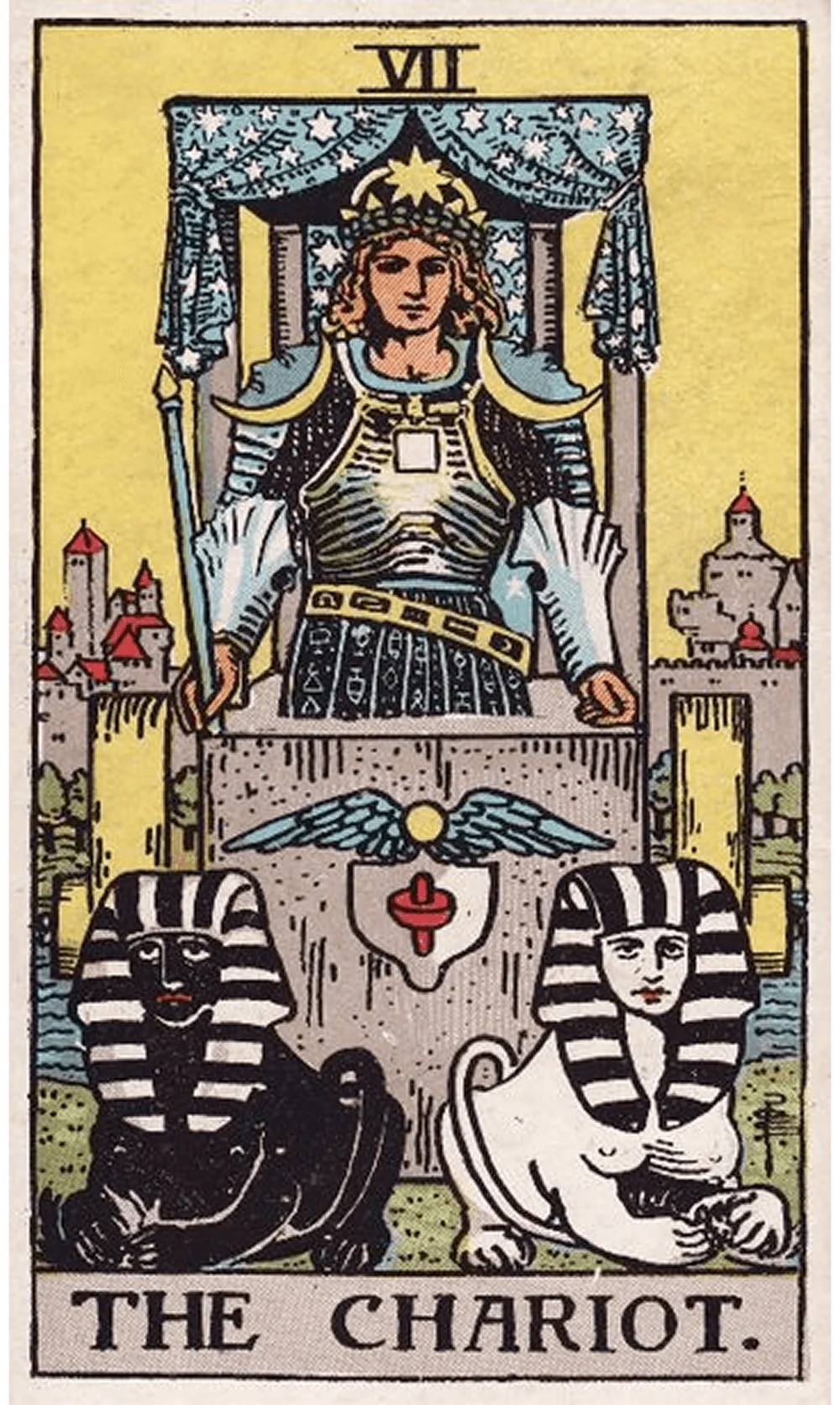
The Chariot
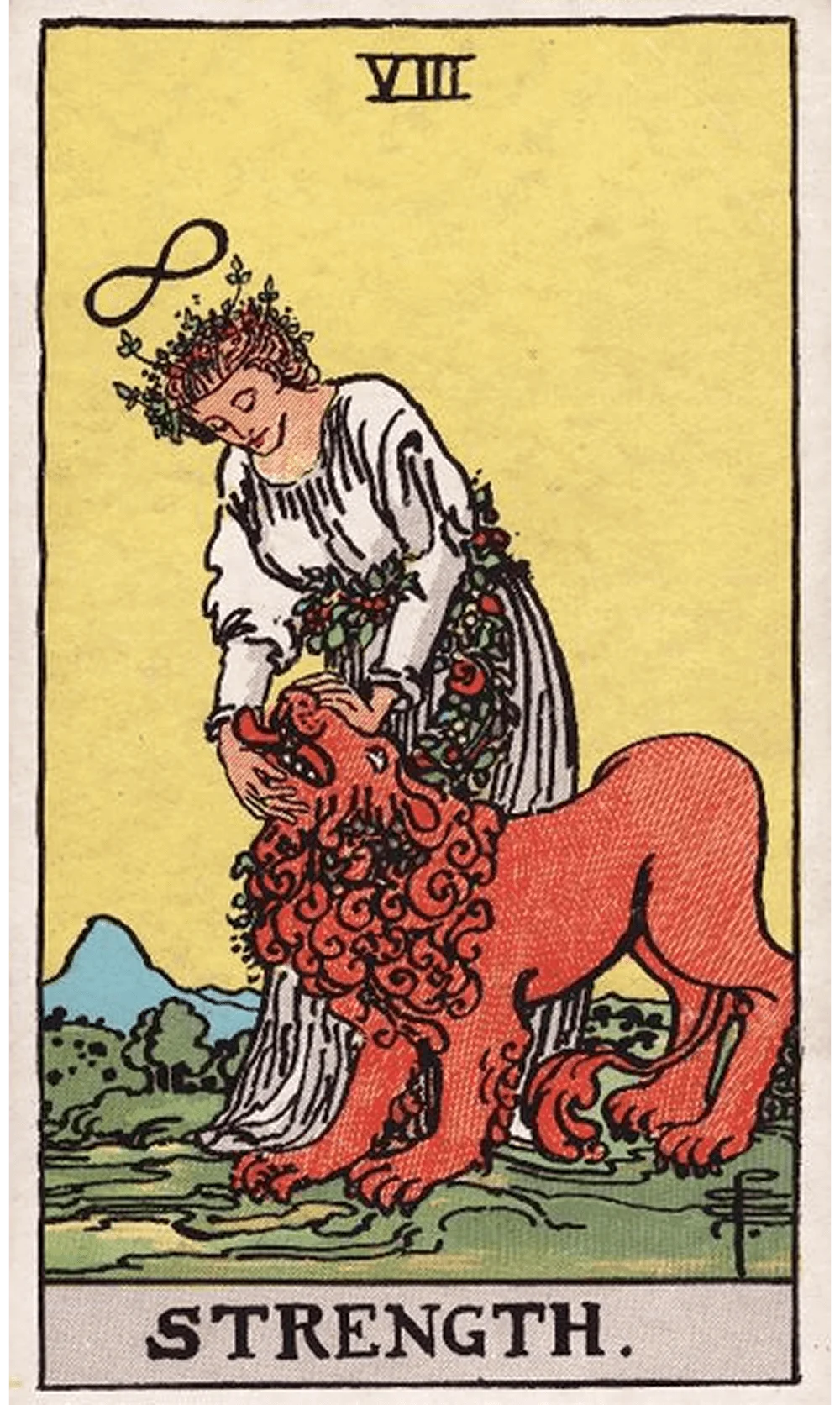
Strength
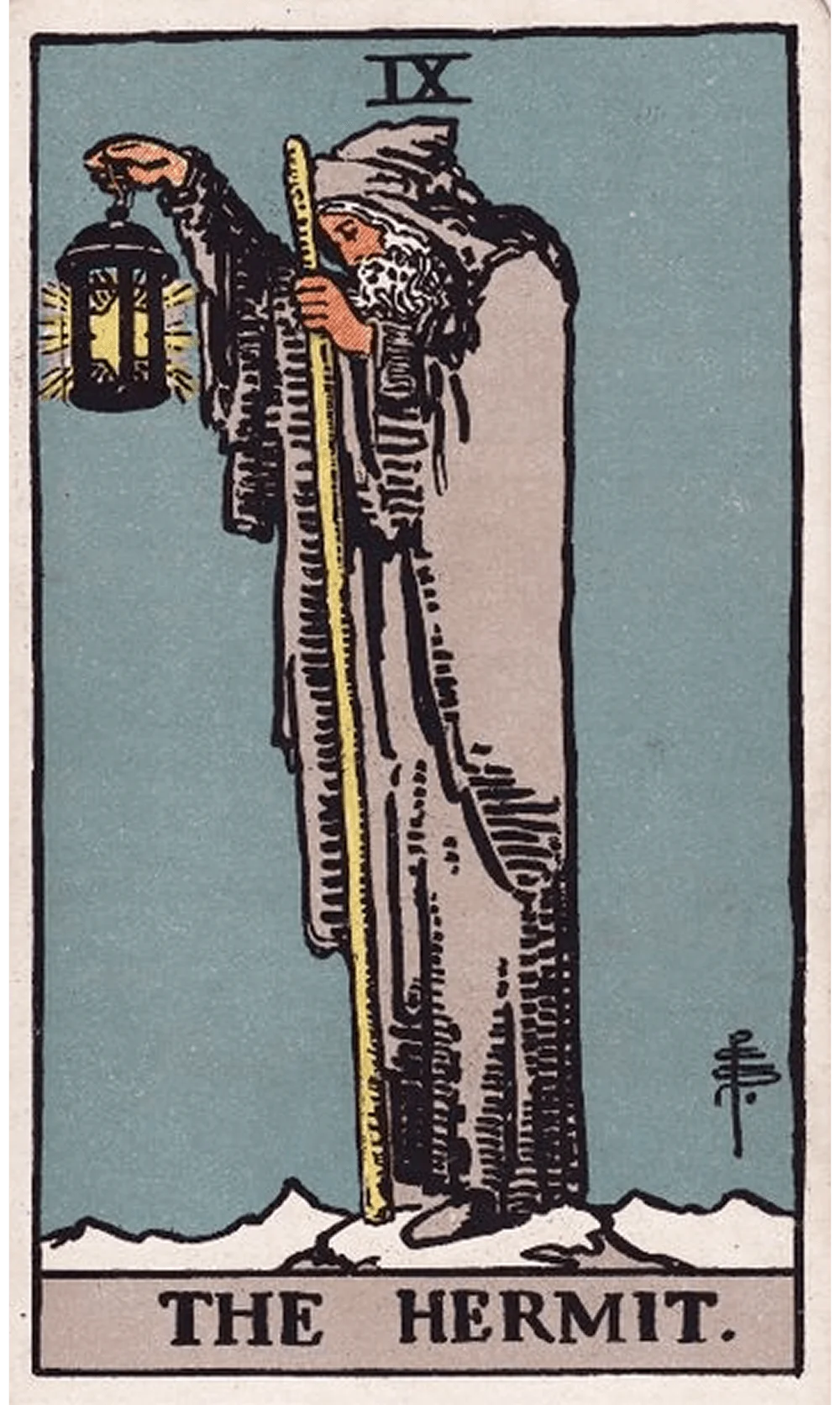
The Hermit
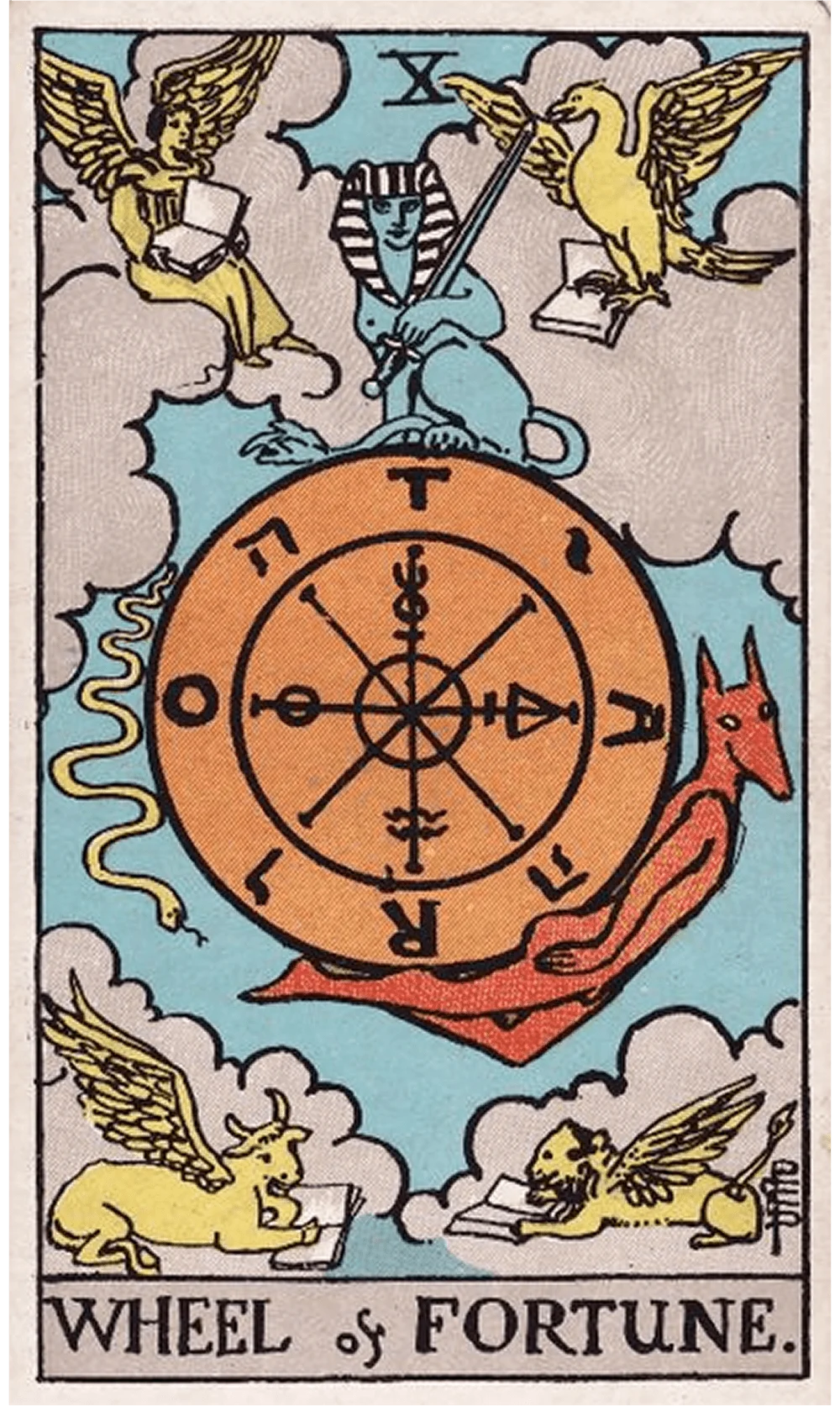
Wheel of Fortune
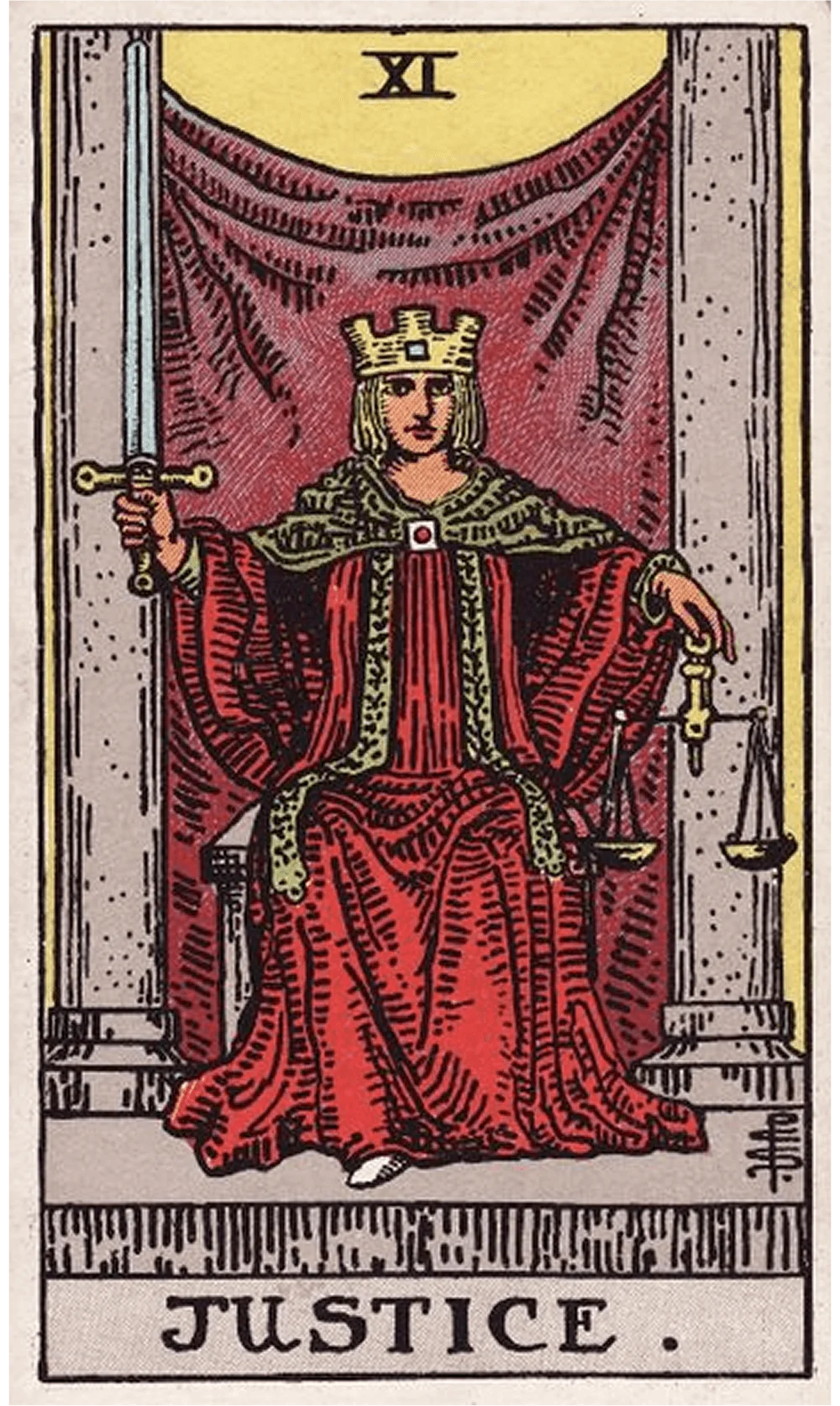
Justice
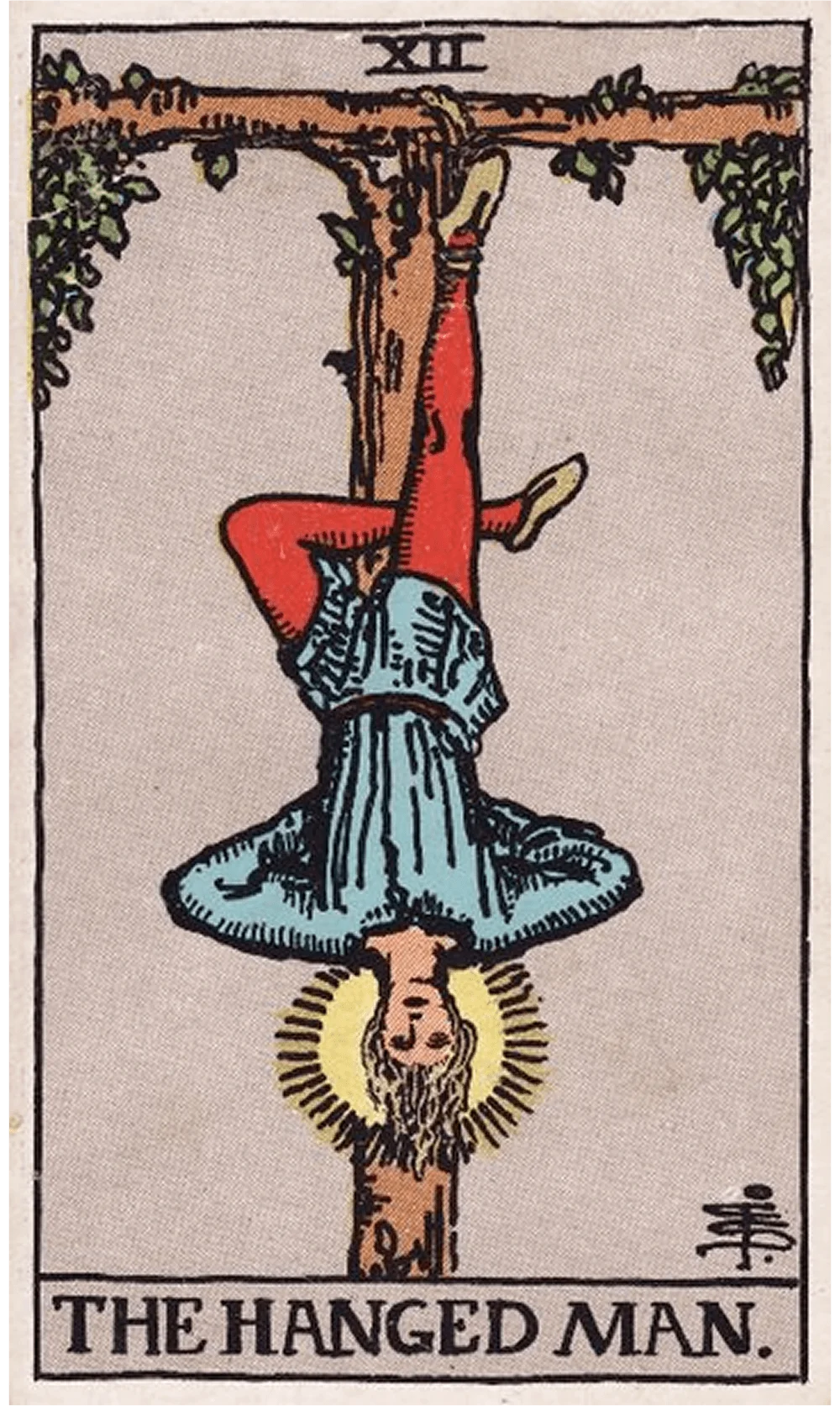
The Hanged Man
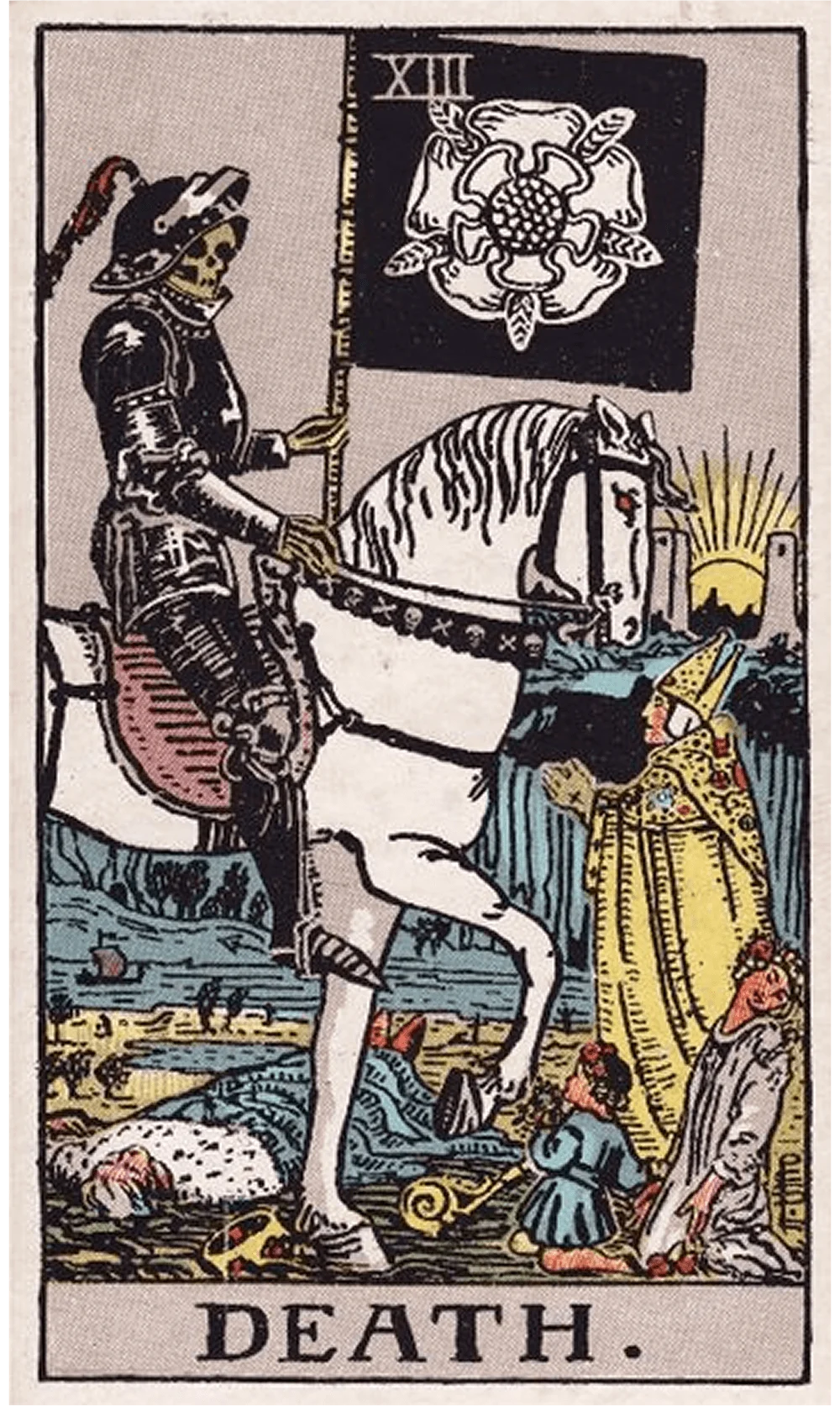
Death
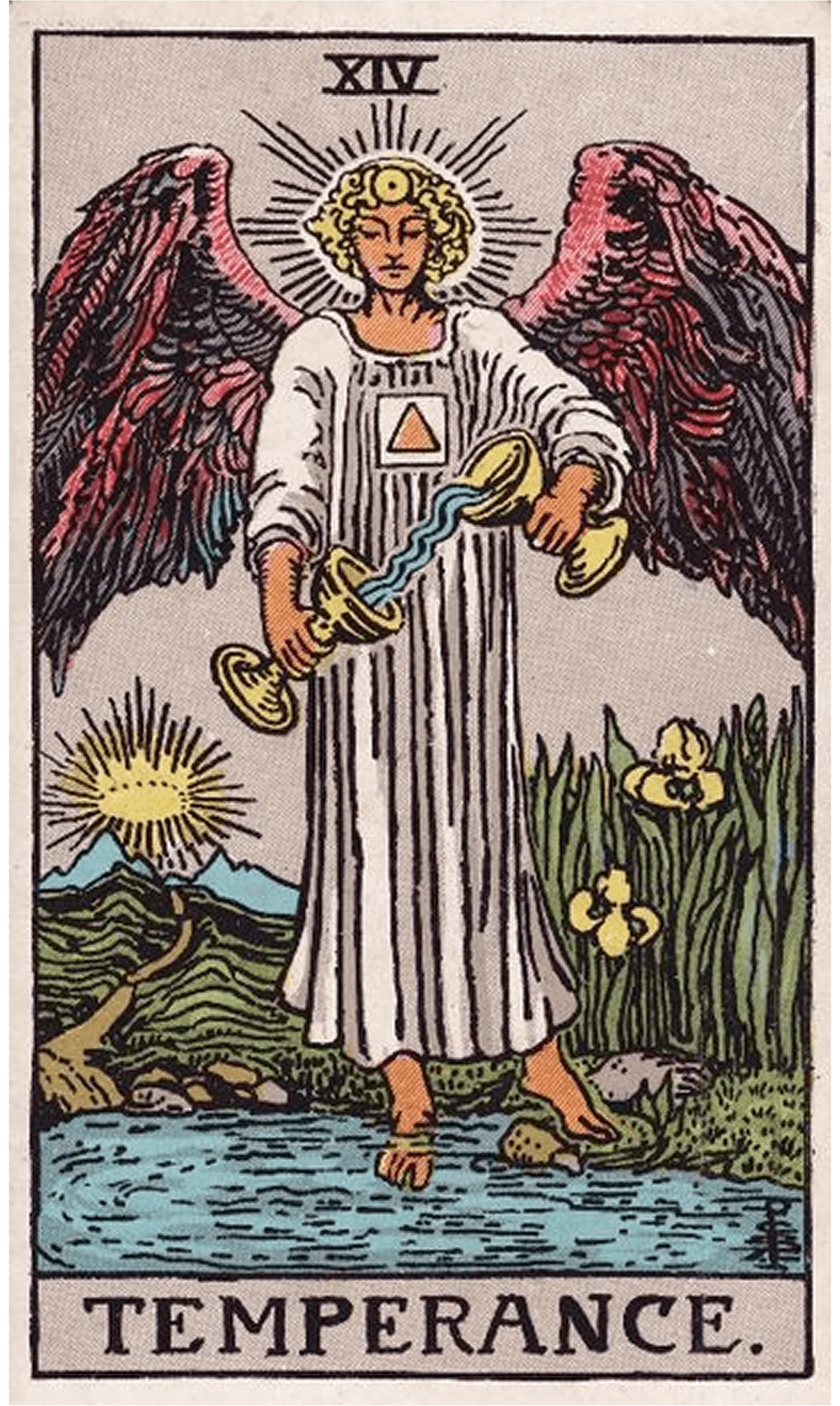
Temperance
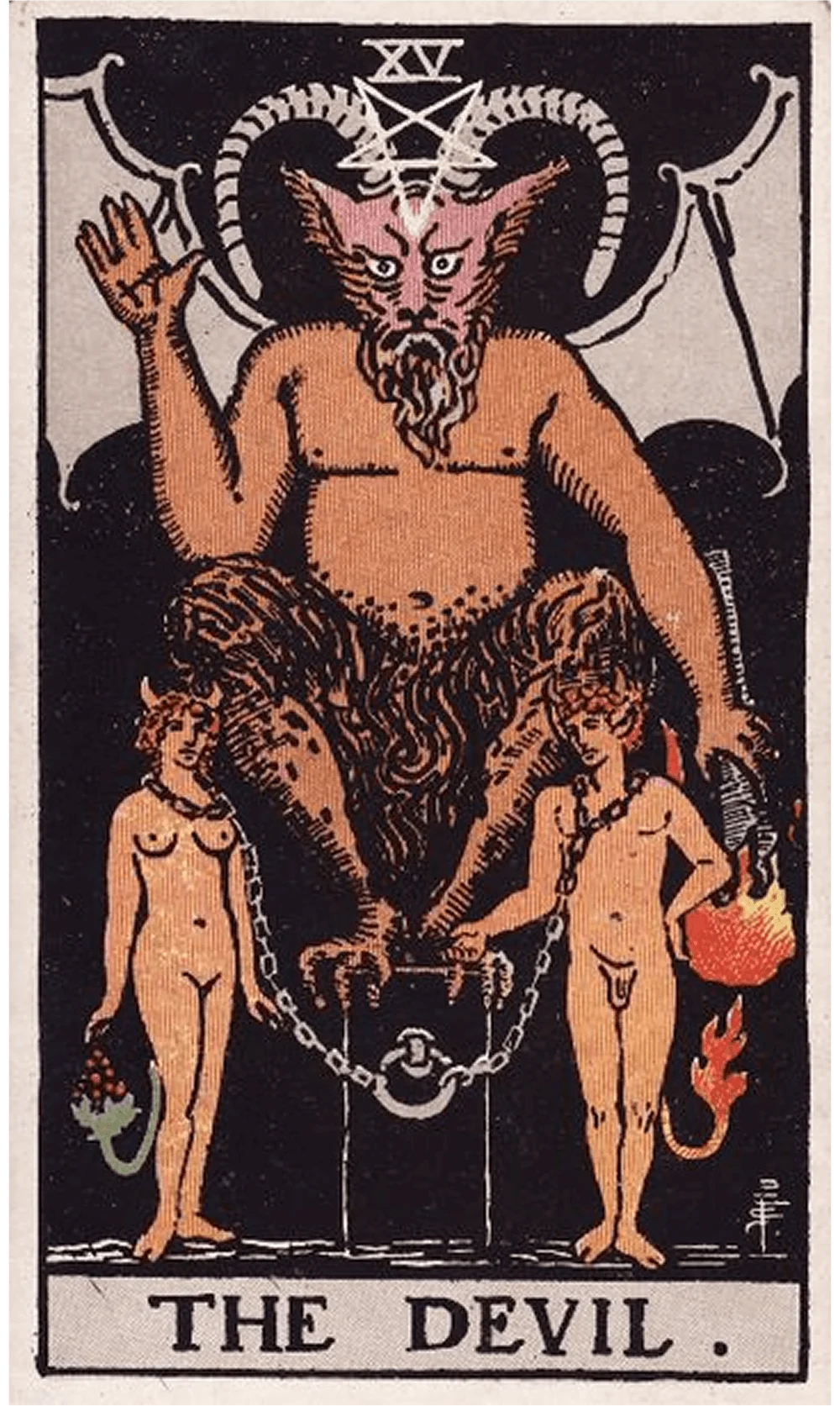
The Devil
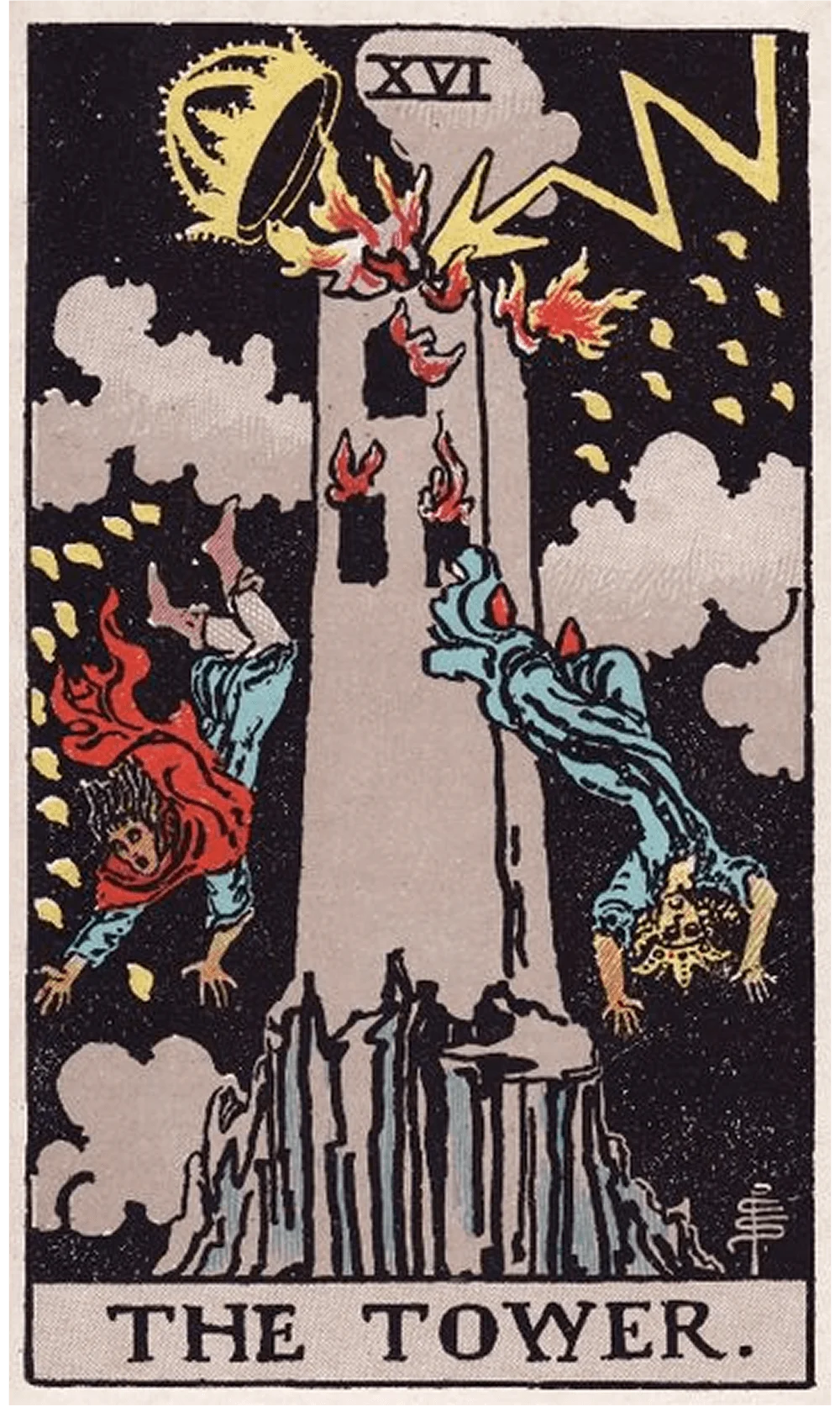
The Tower

The Star
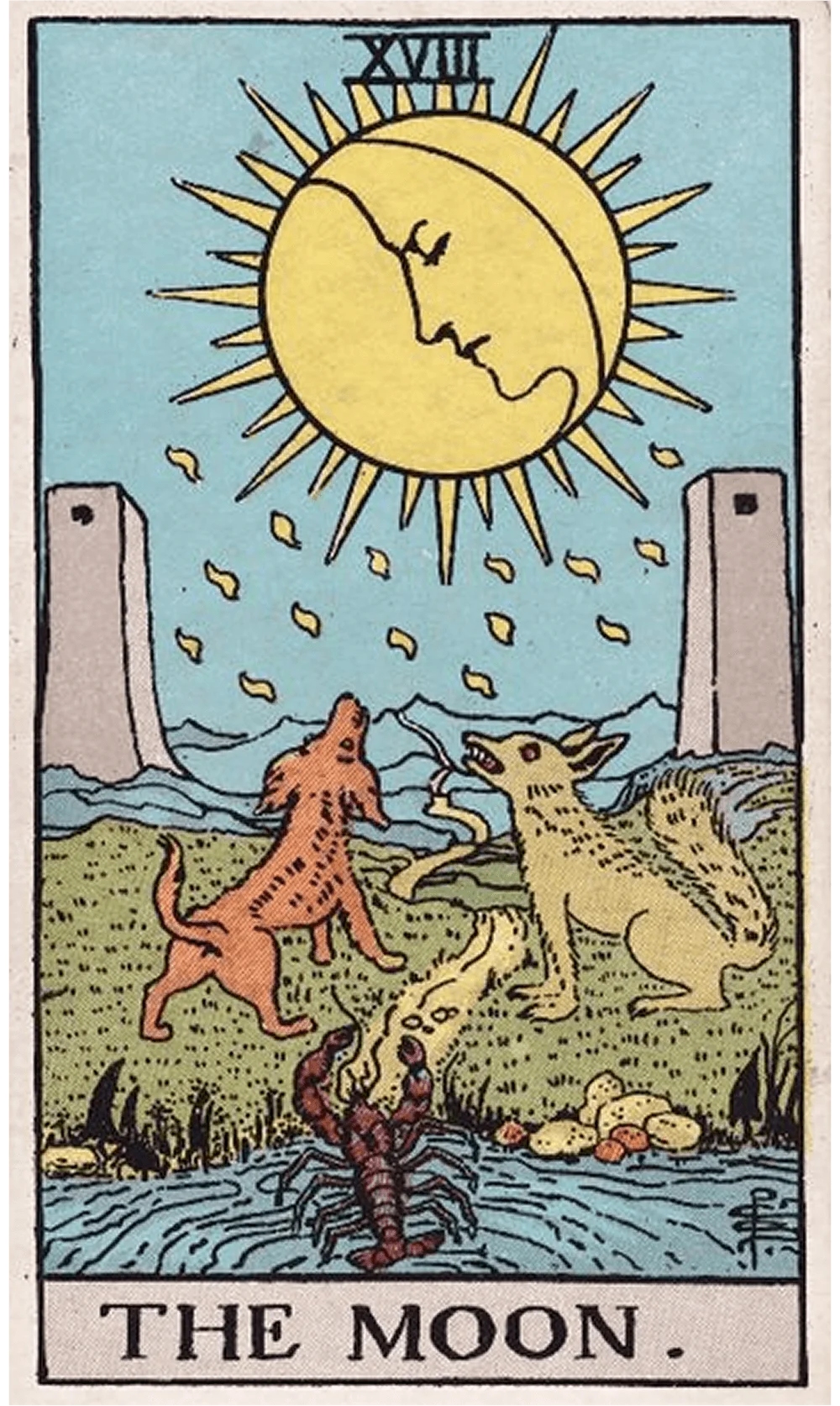
The Moon
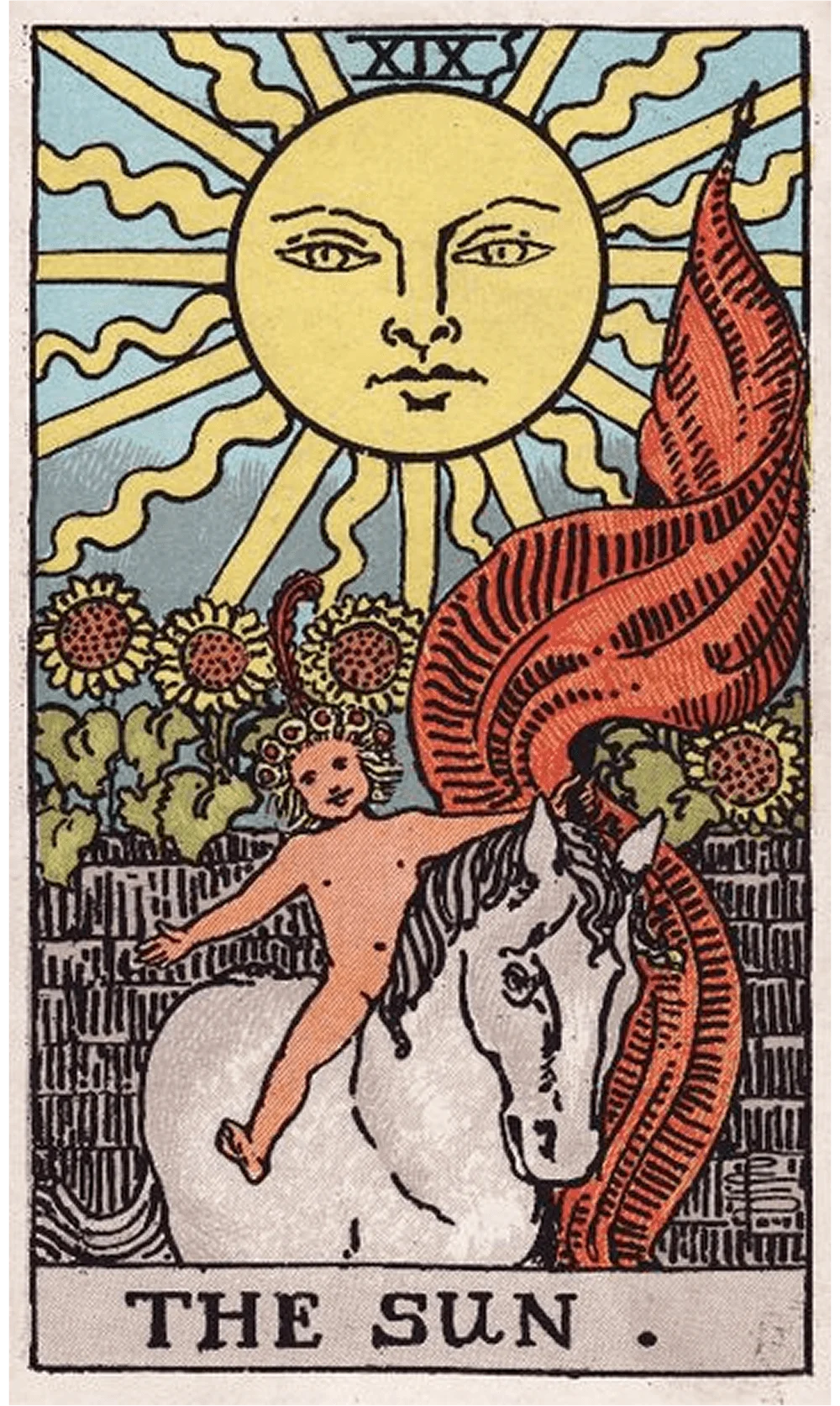
The Sun
Judgement