The Hermit
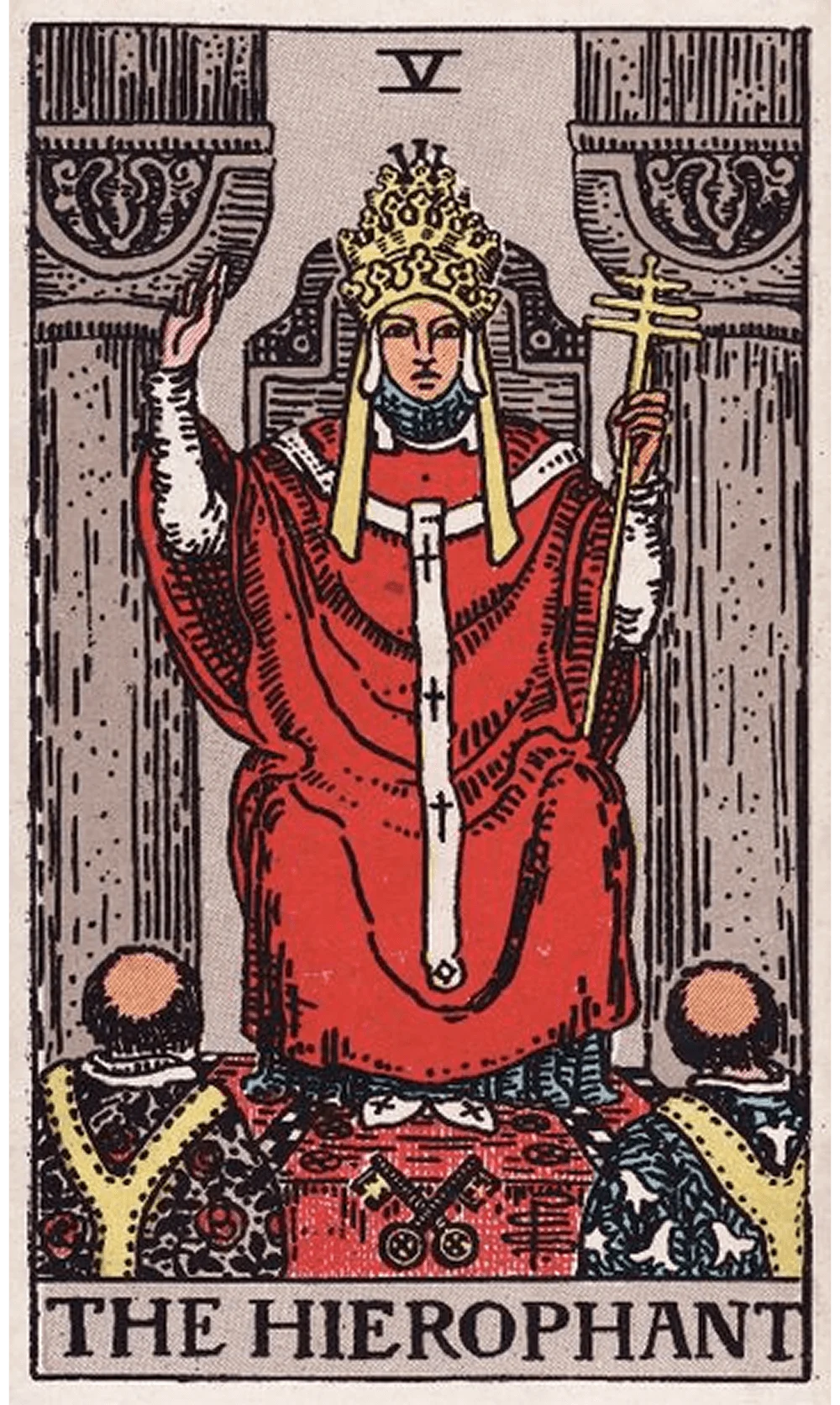
The Hermit has acquired a reputation as a card foretelling loneliness and 'generally nothing good,' while for spiritual development, this card is a real treasure. However, this is again that dimension which rather frightens the average person than inspires. Therefore, the Hermit is rarely a welcome guest in spreads. But essentially, he speaks only of fidelity to oneself. His appearance may hint that the attitude towards life has become too involved and emotional, and now 'healing' is required, a return to the true path, a little closer to oneself, to one's true nature. This is not only and not so much a question of beliefs or conscience – the Hermit differs from the Hierophant in that here we are not talking about 'concepts.' Here it's about our core.
The Hermit has acquired a reputation as a card foretelling loneliness and 'generally nothing good,' while for spiritual development, this card is a real treasure. However, this is again that dimension which rather frightens the average person than inspires. Therefore, the Hermit is rarely a welcome guest in spreads. But essentially, he speaks only of fidelity to oneself. His appearance may hint that the attitude towards life has become too involved and emotional, and now 'healing' is required, a return to the true path, a little closer to oneself, to one's true nature. This is not only and not so much a question of beliefs or conscience – the Hermit differs from the Hierophant in that here we are not talking about 'concepts.' Here it's about our core.
This is authenticity living in the bones, it is spirit, not letter; here we are not talking about how 'one should,' but about who you are and why you cannot be otherwise. This is not just I, not super-I, it is – the genuine, absolutely authentic, without any adaptive forgeries I. Nothing separates us from others, from this strange world to which we not without difficulty adapted during the first … dozen years of life, like our authenticity, our fidelity to ourselves.
The Hermit emphasizes the desire to withdraw and the need for self-analysis, the attainment of inner peace and one's own truth, following one's own path. He says that it's time to reevaluate one's life, one's goals, and connections. It's time to step back a little from social life, leave behind petty concerns and habitual entertainments: they hinder thinking about the soul. Every person needs a period of solitude ('hermithood') to finally sort themselves out. However, this is not just a timeout; generally, the vibrations of the Hermit noticeably surpass those of the Four of Swords. They announce being in one's own center and finding one's own light. The main thing proclaimed by the Ninth Arcana is the refusal to be guided by others' opinions (only one's own!), the refusal to do anything against oneself, against one's inner feeling of what is true and right, to please others or simply according to common notions. This is the card of spiritual independence and enormous personal strength sufficient to walk one's narrow path despite the lack of companions (or at least social approval).
In a spread, this is usually a person who has refused to participate in something, is 'backpedaling,' and is defending against any external influences. They need time to figure things out for themselves, to be firm in their decision. Hurrying them, pushing them is futile. They will still do everything as and when they deem necessary and right. If Justice is also nearby, then they will not mistake what is good and what is bad. The pathos of the Hermit is self-knowledge and self-assertion, insusceptibility to influences from outside, be they beautiful words, threats, persuasions, manipulations. If they do not correspond to their understanding of things, the reaction will be, as they say, 'like a crocodile's to a turnip.' It is pointless to spur events, exert effort, apply pressure; it will yield nothing.
Under the Hermit, a person is seriously engaged in defining their position and their boundaries. At the same time, externally, there may be neither sound nor spirit from them – no calls, no letters, no proposals, no refusals. They are deciding what all this means to them, why they need it, and how far they are willing to go in all this, be it love or business. This, perhaps, is the most important thing.
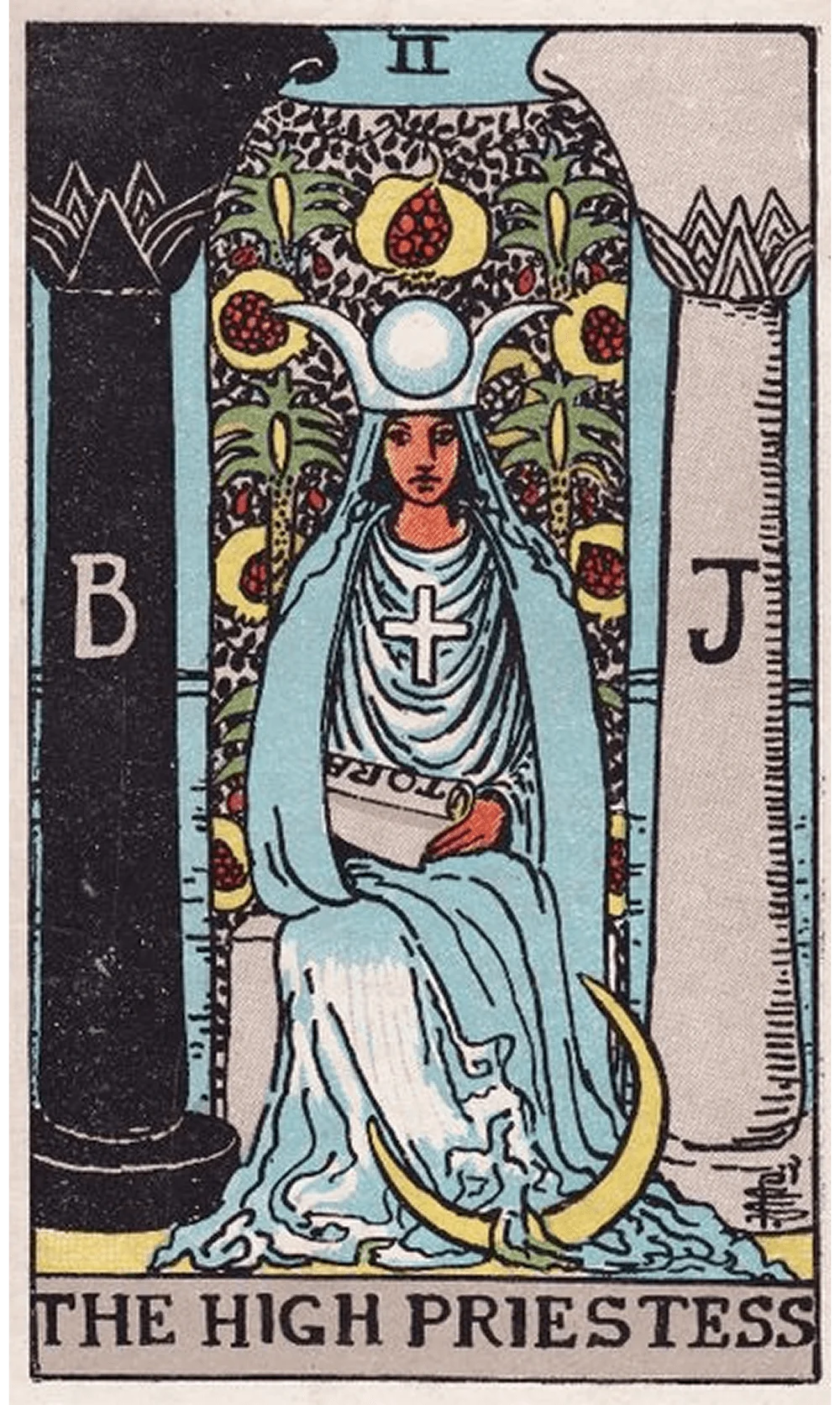
The Hermit, like the High Priestess, to a certain extent speaks of the existence of some hidden truth. Justice seeks truth, the Hermit seeks truth, once again making it clear that truth and truth are not the same thing. And he finds, for as you seek, so shall you find.
Like the High Priestess, the Hermit often points to something concealed, in this case rather hidden or lost, rather than secret. The Hermit likes to go silent, hide from sight, sink into depth. He is fond of wells and fountains, caves and dungeons, cellars and staircases, cupboards and chests, secret drawers.
Sometimes, under the Hermit, a search for (and finding) a teacher, mentor, spiritual guide occurs; it can speak of receiving valuable advice.
Old interpretations indicate that the Hermit can predict not only spiritual but also quite literal wandering, travel, especially to spiritually significant places.
It is believed that as a significator of the past, the Hermit speaks not so much of loneliness as of the desire to draw a line under something, to forget something. Whether the temporary loneliness it heralds will lead to a better life will be shown by other cards in the spread.
The Hermit gives strength and collectedness to concentrate on the main thing, but only this 'main thing' may easily turn out to be achievements of a purely internal nature and does not relate to those goals outlined in a business diary. The Hermit is not a card of external activity – rather, a card of withdrawal from it. Under him, one can rarely expect progress in vain affairs. Although Guggenheim indicates that 'this is the card of wisdom, achievements, and accomplishments.'
The Hermit is a leisurely companion, so his appearance in a spread may indicate a slowing of the process.
In general, appearing in a spread, the Hermit hints that it's time to discard petty problems and bustle because they hinder concentrating on one's own soul. And it is precisely that which now requires close attention. Every person needs a period of withdrawal from everyday life and other people. This Arcana seems to say: try being a Hermit for a while to finally understand yourself and your needs, reflect on your problems. This is necessary to learn to see oneself from the outside, realistically assess one's level of development, and love oneself. Remember that he who does not love himself is incapable of loving anyone. Do not consider time spent in inactivity, solitude, and contemplation as wasted. Calm analysis and comprehension of one's plans will allow avoiding mistakes in further actions.
For ordinary people, for example, a girl who has broken up with a man ('Will he return?' Or: 'Will I get married soon?'), it simply means loneliness, at least in the near future, i.e., the answer to 'everyday questions' will be negative. Although the same card gives her advice: use the loneliness granted to you for good, try to grow during this time. For 'non-everyday questions,' the Hermit is a strong and important card; it truly is like a lantern illuminating a difficult path. However, for esotericists and generally people concerned with their spiritual growth, the Hermit can mean a feeling of loneliness because his former comrades and loved ones have ceased to understand him: he has gone forward, and they have remained where they were. Therefore, he can now communicate only with other Hermits, but there are few of them, and there may be none nearby. He can, of course, return back, but his spiritual development will end there. Better go forward, this card says, conquer the next peaks, and you will find new friends.
In the reversed position, on the contrary, the Hermit says that the girl will not remain alone. For esotericists, it means that, alas, the peak has not yet been reached (perhaps the path was erroneous), that creative solitude is absent and not foreseen for now.
Serious and independent (provided the person is not a complete novice on the spiritual path and is at least somewhat adapted to the Hermit's energies; otherwise – depressive and confused). 'Thinking. Please do not disturb' (writing a thesis, going to psychotherapy, finishing a project, making a blog entry…). The Hermit is living by one's own rules. Aspiration rather to the inner world than the outer, pursuit exclusively of internal goals and indifference to external achievements. This is not the Charioteer, who seeks himself in the external world by committing acts, but a solitary exploration of the well of one's soul and hermitic existence.
Spiritual independence, following one's own path on which there are no fellow travelers, the search for one's own truth (and not the socially desirable one). The Hermit is characterized by a desire to escape from life, to withdraw into oneself, but the reason is not fear but a thirst for knowledge and finding oneself. This is productive solitude, immersion in one's inner world, detachment from material reality, from the hustle and cares of everyday life, the needs of civilization. This is inner collectedness, but not for worldly life, but for the search for the everlasting. What would we do in the external world if each of us were not given our own inner world?
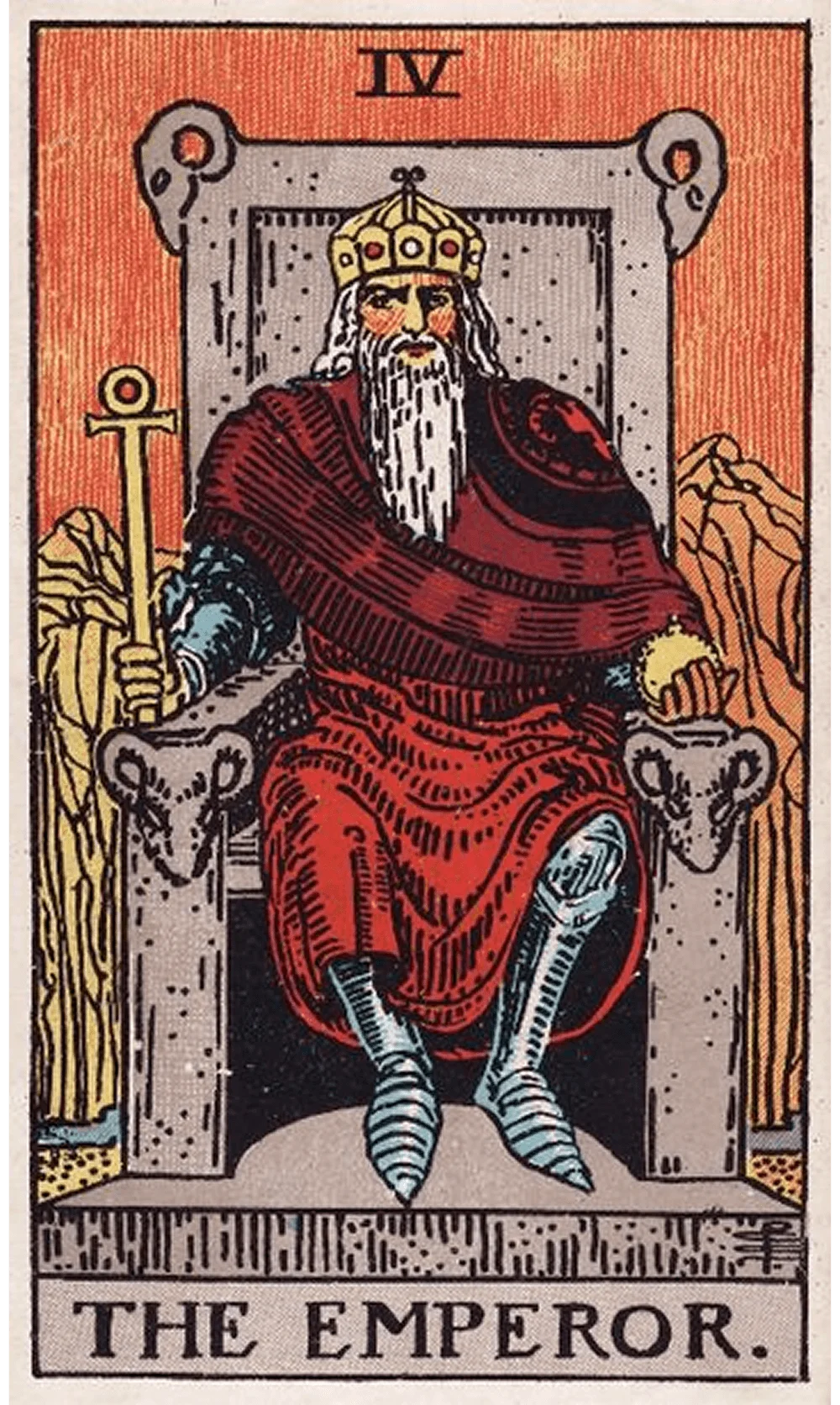
The Hermit jealously guards this world – almost as the Emperor guards external possessions and conquests. Often this card describes a fear of revelation of secrets (if the Moon is also nearby, then a strong and justified one). The Hermit 'encrypts' well, and it is useless to look for him on social networks – at best, a non-committal and formal profile will be found there. This person carefully hides his face from others, does not strive to contact them, fearing that his solitude will be disturbed. He seems to be born with the knowledge of the existential truth that we are all alone; birth, death, pain, revelation – all this leaves one alone with oneself. At the same time, loneliness awakens his thought, brings depth and peace, and is one of the most inspiring states. To one not adapted to the Hermit's energies, this seems simply impossible. The most mystical element of the Arcana is the lantern. To discern its light is the spiritual task of the ninth Arcana. The Hermit is alien to helplessness, disappointment, or despair. He understands who he is and knows what he is doing and why – or at least, it is precisely to this state that the Arcana calls one to come.
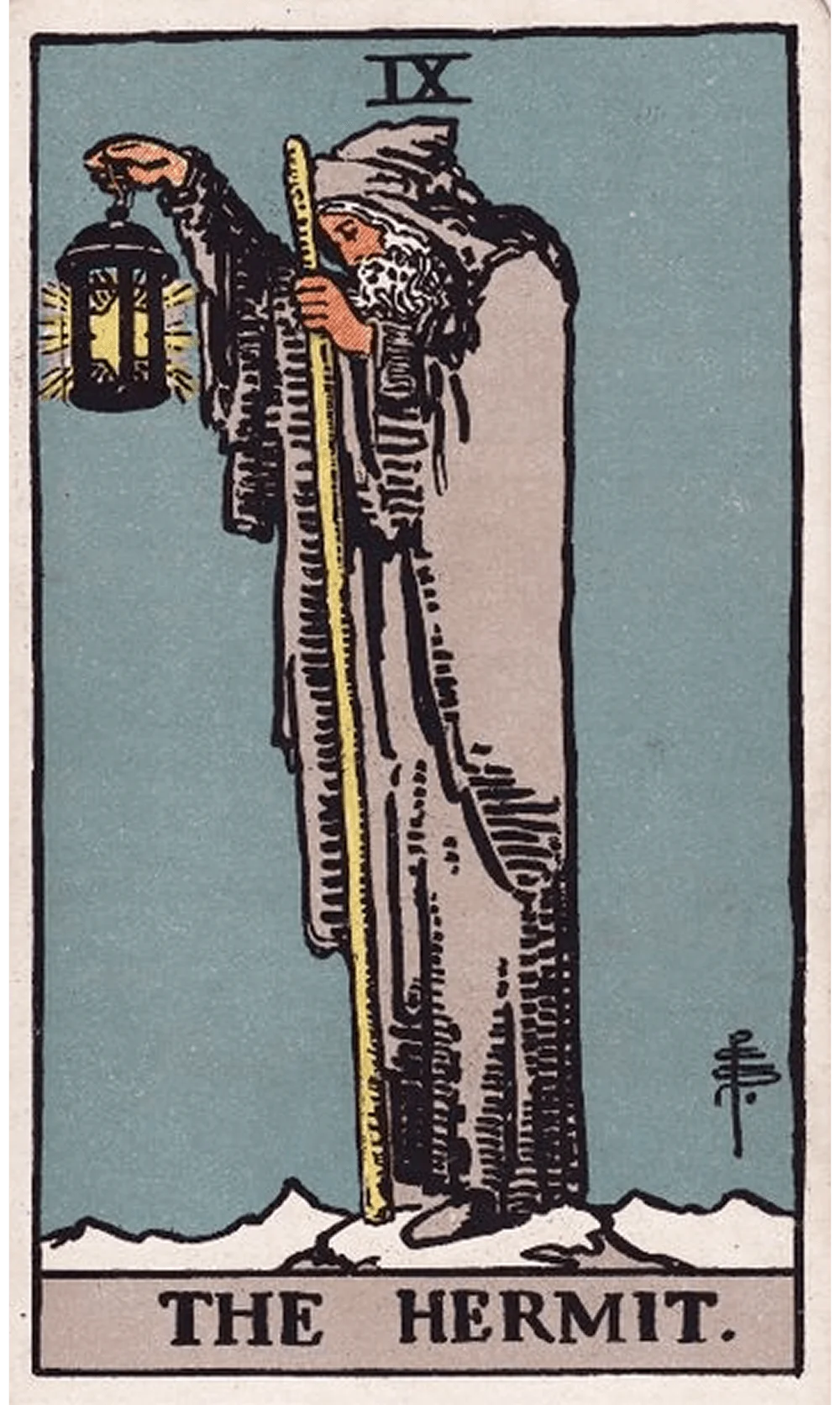
Important qualities of the Hermit: prudence, circumspection, insight, seriousness of thought, reasonableness, the ability to pull oneself together in time (especially with Strength), the ability to control one's emotions. Protectedness, independence, spiritual autonomy, and self-sufficiency. Wisdom, secrecy. Strictness, seriousness. Patience, imperturbability. Emphasized inconspicuousness (such a person, even possessing outstanding external data, will consciously do everything to 'dampen' the effect). The Hermit is generally not particularly concerned with socialization. His adaptation to society may be very superficial – just at the level of a 'desktop' wallpaper. He looks as if conventionally, but when trying to open any file, it turns out that the extension is non-standard, or it doesn't open at all, or the language is not quite readable, and the user clearly lacks some connections to load all this… and to get loaded with all this. Such is the Hermit, and gender, age, rank, and status do not change the matter. The Hermit's cloak on the Arcana symbolizes the blurriness and closedness of his physical and social essence during the solitary path of spiritual ascent. But his lantern sometimes becomes a guiding star for others.
Work with one's own soul, self-reflection in solitude, the search for solitude for inner work. Self-existence – that's another key word of the Hermit. But sometimes it reaches the stage where a person has closed themselves off in their own selfish little world to such an extent that it is almost impossible to reach them. The Hermit is generally very independent of others and weakly reacts to their approval or disapproval, as the only measure of everything for him is his own life philosophy.
The Hermit symbolizes an experienced initiate who has well assimilated previously received lessons of life wisdom. Often this is a person whom fate for some time and in some way 'took out' of life's bustle – for example, he spent a lot of time in the hospital, lived on the outskirts, or worked in a closed institution. The Hermit loves spiritual practices and fasts. He never becomes part of the crowd. The calling, curse, and gift of the Hermit – subordination of will to inner truth. And only to it. Not to whims, not to decisions taken by the mind (which may be in conflict with this truth), not to concepts imposed from outside, and not even to weaknesses and strengths of one's own character. Only to the unknown force leading him. The Hermit is almost like the Fool; the difference is that all paths are open before the Fool, while before the Hermit – only through thorns to the stars. The Narrow Path. Its boundaries may be laid with precious stones or entwined with barbed wire; it does not change the essence. From the point of view of symbolism, the Fool's staff, on which the bundle is attached, becomes the Hermit's staff, helping to wander and giving the only support on the path.
This person may be characterized by alienation, pronounced introversion, restraint, and closedness. The Hermit can simply be old. Moreover, old age may be measured not at all by passport age but by ossification, inflexibility, alienation from people, spiritual decrepitude, and categorical rejection of the surrounding modern world. There are people whose midlife crisis begins directly after the pubertal crisis. In the best sense, the Hermit can symbolize a person of such internal riches that the external world seems to him no more than tinsel and costume jewelry – it has weight but represents no value. He indeed sets himself exclusively internal goals, and sometimes not for one lifetime.
Negative meaning – self-satisfied dwelling in the little world of one's knowledge, perhaps age-old and esoteric, but unused in practice. Bitterness, isolation, depression, an aura of sorrow and loss, gloom, and joylessness. Alienation from people, bitterness. Through the theme of closedness and secrecy grow such negative traditional meanings as pretense, concealment, hypocrisy, and even betrayal.
A stage in spiritual development symbolizing Saturnine self-absorption, withdrawal into oneself, into the desert, into the monastery of the spirit, into the 12th house. The Hermit seeks God within himself, he searches day and night for that invisible foundation of his existence in which the sources of life and the future lie. Essentially, he is searching for a goal – what it should be at all. Knowledge leads to action, and for the time being, the Hermit's face is hidden: he is silent until his aura is purified and shines with a new light. The Hermit must first illuminate his own soul with beauty before it becomes a beacon for others. In complete solitude, he accumulates and concentrates those potential energies on the basis of which a different being will be created in the future. This Arcana symbolizes the synthesis of possibilities, 'the mystery of actual, but hidden birth, in which only spirit and soul participate.'
In the Kabbalistic sense, the Hermit is the ninth sephirah, the foundation for all previously presented properties (Names) of God and the prism concentrating them before entering the material world (the tenth sephirah). Energies patiently and silently accumulated in isolation from all extraneous and distracting influences are released with enormous power when the time comes for it. The Hermit goes into darkness to find inner light. And it happens that the light of their visions and revelations serves as a spiritual guiding star for others for many centuries. The mystery of this Arcana is the search for truth, existential reflections, the acquisition of inner treasures, seeking and finding knowledge and wisdom in one's inner world, self-initiation. Contemplation and the greatest comprehension of the essence of things under the wise guidance of an inner mentor.
All religions contain legends about journeys of the spirit, about great teachers or prophets who traveled the whole world or went into the desert in search of insight and truth. Self-initiation, comprehension of secret wisdom, age-old knowledge (and not the wisdoms of survival in this world).
The card reminds us of the connection between the celestial and the earthly, symbolizing the merging of the higher and lower worlds, their similarity and unification. And since the higher and lower, inner and outer worlds are similar, to tune oneself to the light that is in the heavens, a person sometimes must withdraw into the depths of their inner world.
"This is a desert. But in this desert, God speaks to me. Therefore, I live in silence – to hear Him." Absolute fidelity to one's life principles and inner knowledge. Indifference to the opinions and assessments of others, to generally accepted stereotypes of thinking and behavior. Deep analysis of the situation, comprehension of past experience, summing up spiritual results. The card of one's own truth, following one's own path. Delving into oneself, moderation, and confidence. Self-restriction, visible deficiency, but also the acquisition of a core and wisdom. The real path of the Self, being in solitude, in the 12th house, where there is only the light of inner truth and no one else. Refusal to work with external information, as the gaze is turned inward. This can be a time to reevaluate one's life, connections, goals. Changes that may occur are shown by other cards in the spread.
The 12th house is the house of secrets. The deep motive for self-isolation and alienation often lies precisely in protecting one's secrets. These are not the secrets that can be shared over a drink – it is the secret of authenticity, who you really are. Appearing in a spread (especially if the Nine of Wands is nearby), the Hermit, like the High Priestess, hints that the person has something to hide, that they are not as they seem from the outside. This card testifies to caution and detachment from worldly bustle. It is also a sign of victory over one's own passions and the desire to comprehend the inner nature of all occurring events.
The card usually depicts an old man leaning on a staff and dressed in a monk's cloak with a hood. In his hand is a lantern, partially hidden by the sleeve of the cloak. This is a symbol of the light of occult sciences, which always remains partially hidden. In a symbolic and esoteric sense, the Hermit hides ancient wisdom from the profane. The staff in his hand is a symbol of knowledge, which is the only support for a person. Sometimes the mystical staff is divided by knots into seven parts – a subtle analogy with the seven sacred centers of the human spine. The Hermit follows the path of Initiation, Mystery, and Knowledge.
The Arcana of the Hermit is closely connected with the Moon. His knowledge is not rational and logical postulates or beautiful mental images. They are much more instinctive and truer than any schemes, and extend more in depth than in breadth – to the mystical origins of being, deep into the underworld, where Persephone (Virgo) dwells, Orpheus finds and loses Eurydice, and Dante contemplates the flip side of immortality. Being connected with the Moon, the Hermit describes super-tantric practices of enlightenment based on sublime masturbation, which later transformed into a cult of religious zeal fueled by abstinence (the practice of celibacy).
The Ninth Arcana is comparable to the sign of Virgo – the sign of ordering internal resources of the present to create favorable soil for the future, with its thirst for service and selflessness and sometimes – incredible depravity. Sometimes these properties combine in one personality. With the Hermit are associated the comprehension of the order of life manifestations and the reason of will, that reason which prepares each being individually for conviction in universal universality and which encourages learning to control one's consciousness and cognize the sequence and order of the world's manifestations. The Hermit is the card of detachment from the world, the path to oneself.
This is a period of introversion when we 'close off' from external influences to find peace away from the hustle and people and, most importantly, to find ourselves. Thus, the Hermit symbolizes important events that show us who we are, what we strive for, and how to achieve it. It unites two poles: the deepest experiences and the highest cognition. He who is ready to follow the call of the Hermit does not lose himself but finds, gaining clarity, strength, and the ability to get along with oneself.
Crowley also emphasizes the Hermit's closeness to Virgo, considering him as 'hidden Persephone,' the queen of Hades, who in autumn leads the soul of the world to the other world, and in spring – to rebirth (not by chance the next Arcana is the 'cyclic' Wheel of Fortune).
The Hermit is indifferent to honors and wealth but completely focused on the goal. Professionally, he corresponds to freelancers, not subordinate to any organization and harboring a certain dislike for collectives.
The card is good for scientific studies, analysis, writing works and memoirs, at worst – keeping a blog. It has consistency and perseverance, but only when the person sees meaning for themselves in what they are doing.
Under the Hermit go people whose profession is somehow connected with searches and research. This could be a scientist and an archivist, or it could be a criminal police investigator following a trail with his lantern, illuminating what others missed or concealed (prosecutors, lawyers – that's for Justice), a teacher, a consultant.
The Hermit is quite favorable for learning (his lantern symbolizes the light of knowledge) and business trips (the Hermit is usually on the road, and his staff is a traveler's staff). Under the Hermit, professional skills are excellently honed, independently or under the guidance of a senior mentor. Ziegler reports that this is the card of wise leaders. But still, in all likelihood, not in the area of business clearly oriented toward profit.
For a businessman, the Hermit is unfavorable. In essence, it indicates the fruitlessness of the business he is currently engaged in. It can be considered as advice to get rid of the current enterprise and switch to something else.
There is an opinion that this is the card of completion and harvest, but the point is that the Hermit stands rather for the path and process, besides, his acquisitions are mainly internal.
Under the Hermit, a person may question the meaning of their own activity and their professional suitability. Sometimes, under this card, withdrawal from professional activity occurs, retirement, and/or transfer of accumulated experience to others.
The Hermit is an unfavorable indicator for financial questions. He lives detached from worldly goods and suggests the querent practice the same. This is the card of monetary restrictions, under-receiving what is due, reduced salaries and pensions, a simple and ascetic life. If it's about some agreements, they may be canceled. The Hermit may advise the querent to simply abstract from financial issues and look at the matter from some other angle, making it clear that money is not the main thing.
Loneliness is a very expensive commodity. It is equally difficult to acquire when needed and to get rid of when it becomes tiresome. Appearing in a spread, the Hermit informs that the querent, even if in a relationship, is currently more focused on themselves and their own development than on anything else. The Hermit is traditionally considered an unfavorable card for relationships. Relationships largely depend on adapting to another person.
The Hermit does not adapt. He goes his own way and truly belongs only to it. Therefore, the card often heralds going one's own way, parting, breaking off relationships, or at least seeking greater independence, freedom from the partner. Among other things, under it, weddings are canceled and engagements broken off (of course, there should be other indications for this). The Hermit ponders the meaning of the relationship, his role in them, why all this is necessary, and whether it corresponds to his inner sense of life's path. In any case, the plus of the Hermit is that he takes things seriously. He will not turn a blind eye to problems in the relationship and be guided by the principle 'maybe it will sort itself out' (he understands perfectly well that things have a tendency to 'sort themselves out' mainly via the Tower).
The minus of the Hermit is that he is unlikely to rush to actively solve the problems he sees – rather, he will distance himself ('sort out his feelings'), and when he has sorted them out, he will go his own way. With him, one can, in general, drain swamps, clear blockages, and build bridges over chasms, but only on the condition that he is helped to see some homespun meaning in all this. Then one can go on reconnaissance with him – he is a serious and reliable comrade. But a sense of meaninglessness wears him down, and this makes him a difficult partner – after all, it is much easier to provide cares of all sorts, material well-being, and sexual variety than to turn a semantic key of an unknown configuration in a lock located who knows where. However, when this key turns and meaning shines forth.
The Hermit can endure the absence of the first, second, and third (see above) and much else besides – he thinks in existential categories and will not be capricious in case of inconveniences.
The Hermit is secretive. In some ways, he is like the High Priestess. Some part of his intimate life always remains a secret. He can indicate both a partner secretive by nature who does not pour out his soul (at best – once a year by the teaspoonful) and that he has something to hide (e.g., infidelity). This is a card of removal, detachment, distance.
The Hermit is silent. You cannot get extra expressions of feelings from him. He takes relationships seriously, but actually, for him, monogamy is too many people. It happens that a lonely person does not strive to go home, where they will be alone with the walls, but as for the Hermit – he extremely values solitude and closes the door to his lonely sanctuary with deep relief, catching his breath and finally becoming himself. The thought that he will lose this respite and refuge of the soul by entering marriage frightens him much more than it inspires ('after tumbling around all day, you come home – and there you sit!'). The Hermit perceives the inconveniences and anxieties of loneliness philosophically, not attributing any special significance to them – one's own burden is not heavy. The famous lines of Omar Khayyam, 'Better to starve than to eat anything, and better to be alone than with just anyone,' in the case of the Hermit acquire a special intonation – the word 'better' is superfluous here, for he is not really capable otherwise. Loneliness for him is not an event. Simply – being. This card often shows a conscious desire to be alone. For the Hermit, honesty with oneself and agreement with oneself are extremely important. Until he achieves them, pushing him is useless, and he does not accept anyone's influence on himself. Everything that does not correspond to his nature and individuality will sooner or later be destroyed and crossed out of his life by him (or even more likely – not allowed into it at all). Traditionally, the Hermit describes celibacy, seclusion, withdrawal from the world, a closed, solitary life, incomprehensible to others.
It is very telling if the Hermit appears for a person in love. It is a clear indication to take a step back, not to rush to bind oneself with strong ties, to check feelings. This card symbolizes alienation, circumspection, and caution in choosing a partner, being in one's own space. Most likely, the person approaches relationships seriously, but they need time to understand what they really want because there is no clarity now. It is clearly not the time to dive headfirst.
The card can speak of a lack of sexual attraction, but this is not always so unambiguous. For example, it is possible that in a sexual sense, the Hermit also 'knows himself,' and the help of another in this is not always implied. It happens that a person is their own best sexual partner and does not experience with anyone else what they do with themselves. 'Solo love' can be mastered by them to a greater or lesser extent, be primitive or refined. And if with the Hanged Man and the Tower it is rather a crude act of self-gratification preceded by the suppression of libido, then if nearby, for example, are Strength and the Seven of Cups – hardly anyone could give him such exhaustive pleasure as he knows how to give himself.
Dragging the Hermit into bed for joint pastime is not easy, and again, one should not expect feasts here. This is a restrained partner, not inclined to show initiative. Such qualities may appeal to someone. Often the card indicates coldness, the ability to do without sex, the absence of an intimate life.
At best, the Hermit can indicate an emotional (but hardly sexual) connection with a spiritual and very wise person. This is a union of a deep level.
The Hermit is not the most favorable card for health. Under it, the body becomes ephemeral ('Dust thou art, and unto dust shalt thou return').
This is a decline in energy, a decrease in tone, a gradual winding down of vital functions. This is the card of descent into depth and movement inward. In its most classic form, it corresponds to the processes of natural aging and decrepitude. But it can also be exhaustion after overloads and the necessity to economize remaining strength.
Depression. Insomnia. Hormonal deficiency. Menopause. Rheumatism. All typical chronic health problems of old age. Digestive problems.
Under the Hermit often pass anesthesia, narcosis, a 'winding down' of mental activity.
Advice: asceticism, renunciation of the habitual lifestyle and many mundane habits that have turned into pseudo-needs.
Sometimes it is believed that the reversed card does not change the meaning, but intuition suggests that this is hardly the case. Sometimes it speaks of the impossibility of preserving the solitude that the person treasures. They are not allowed to be alone and concentrate; their meditations are constantly disturbed and interrupted. The sufferings described by this card are well known to an introvert who has ended up at a corporate party from which they cannot leave early. The reversed Hermit is being poured drinks, drawn into conversation, invited to dance, and he endures all this, stoically counting the minutes and asking deep inside, 'God, why me all this?' – he would gladly be on a desert island now. This is the card of insufficient prudence, imprudence – or conversely, unfounded precautions and suspicions. In general, under the reversed Hermit, a person does not shine with intellect. The card can also indicate that he is learning the wrong thing, searching in the wrong place, and generally going in the wrong direction. False ideals and stupid advice presented as great wisdom also pass under this card. Its traditional meanings are deception, lies, covert fraud, corruption, concealment. Depending on neighboring cards, it can also mean refusal of help, stubbornness, suspiciousness, continuation of an unproductive lifestyle, as well as unnecessary mystery and caution. Sometimes it is an indication of great knowledge that is difficult to apply in practice – all previously accumulated wisdom in this situation is simply unsuitable. Before us is an imperfect perfectionist, an ascetic breaking down into self-indulgence, a mentor who cannot himself do what he teaches, a defrocked monk, a representative of a 'helping profession' who himself needs help due to burnout, or one who long ago should have retired but clings to laurels. The reversed Hermit can be motivated for a relationship, but, alas, far from love – rather it is fear of lonely old age or another similar calculation. He is bad alone, but it is not at all a fact that he will be good with someone. Loneliness for two.
The Hermit and the High Priestess – a bad sign, associations from the realm – another woman and infidelity, a secret related to her.
The Hermit and the Sun in this sense – revelation of infidelity, exposure of secrets.
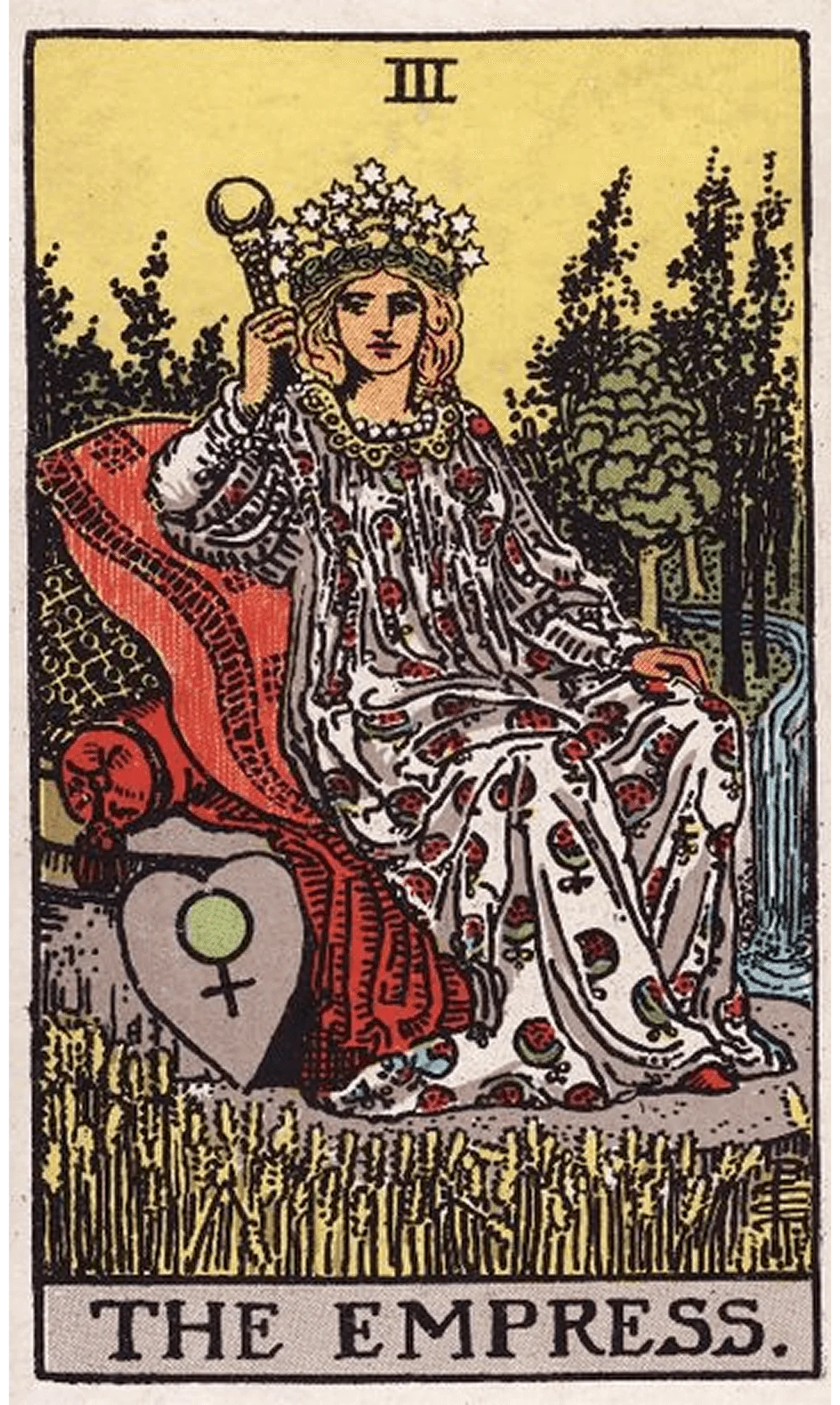
The Hermit and the Empress – an indication that one should not rush events, even if something is unsatisfactory; everything will proceed at its own pace.
The Lovers – weakens the action of the Hermit, speaks of sexuality, the emergence of relationships, sometimes against the person's will. Also – deep internal concentration before a step into the new. Great internal collectedness is needed, reliance on one's personal notions, and nothing else.
With The Devil – struggle of motives, temptation to act against oneself, do something contrary to one's nature.
The Hermit and Judgment – unjust judgment (from an old book of interpretations). Receiving important news. A big event, the beginning of a new life period.
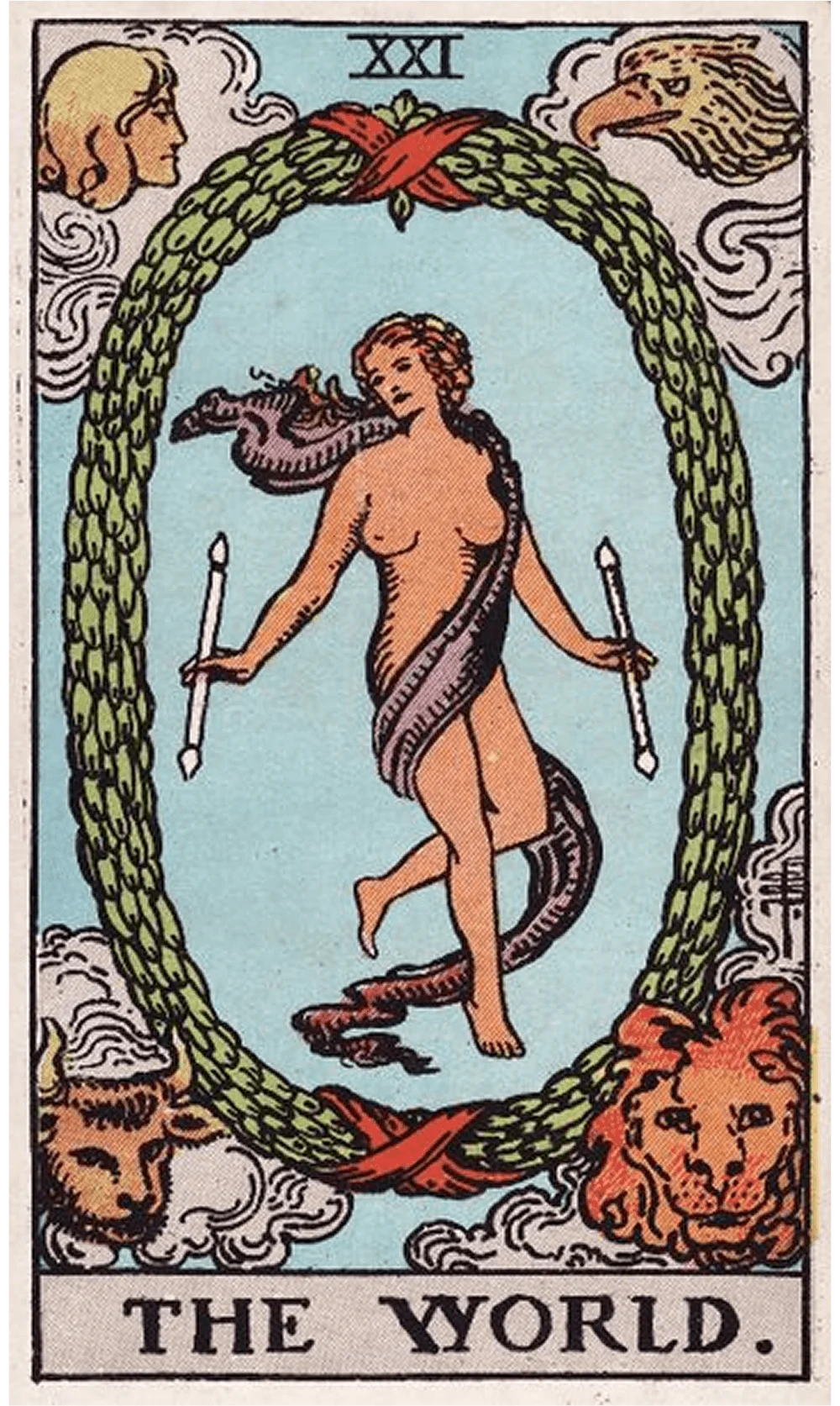
The World – weakens the meaning of isolation carried by the Hermit, draws into the flow of events.
Four of Swords – increases the inertia and contemplativeness inherent in the Hermit
Seven of Swords – intensifies the action of the Hermit, solitude, seclusion
Two of Cups – weakens the action of the Hermit, involves in connections
Eight of Cups – intensifies the action of the Hermit, self-absorption, search for the deep meaning of events
With Nine of Cups – selfish pleasures
With Ten of Cups reversed – many troubles.
Jung's Wise Old Man, senex.
"For in much wisdom is much grief."
"What you go for, that you will find."
"The sword of the victor is forged in solitude."
Immanuel Kant, Saint Jerome, and their like
Actors, writers, and other celebrities who preferred a reclusive and solitary lifestyle
Clergy by vocation
Cards from the same group
The Fool
The Magician
The High Priestess
The Empress
The Emperor
The Hierophant
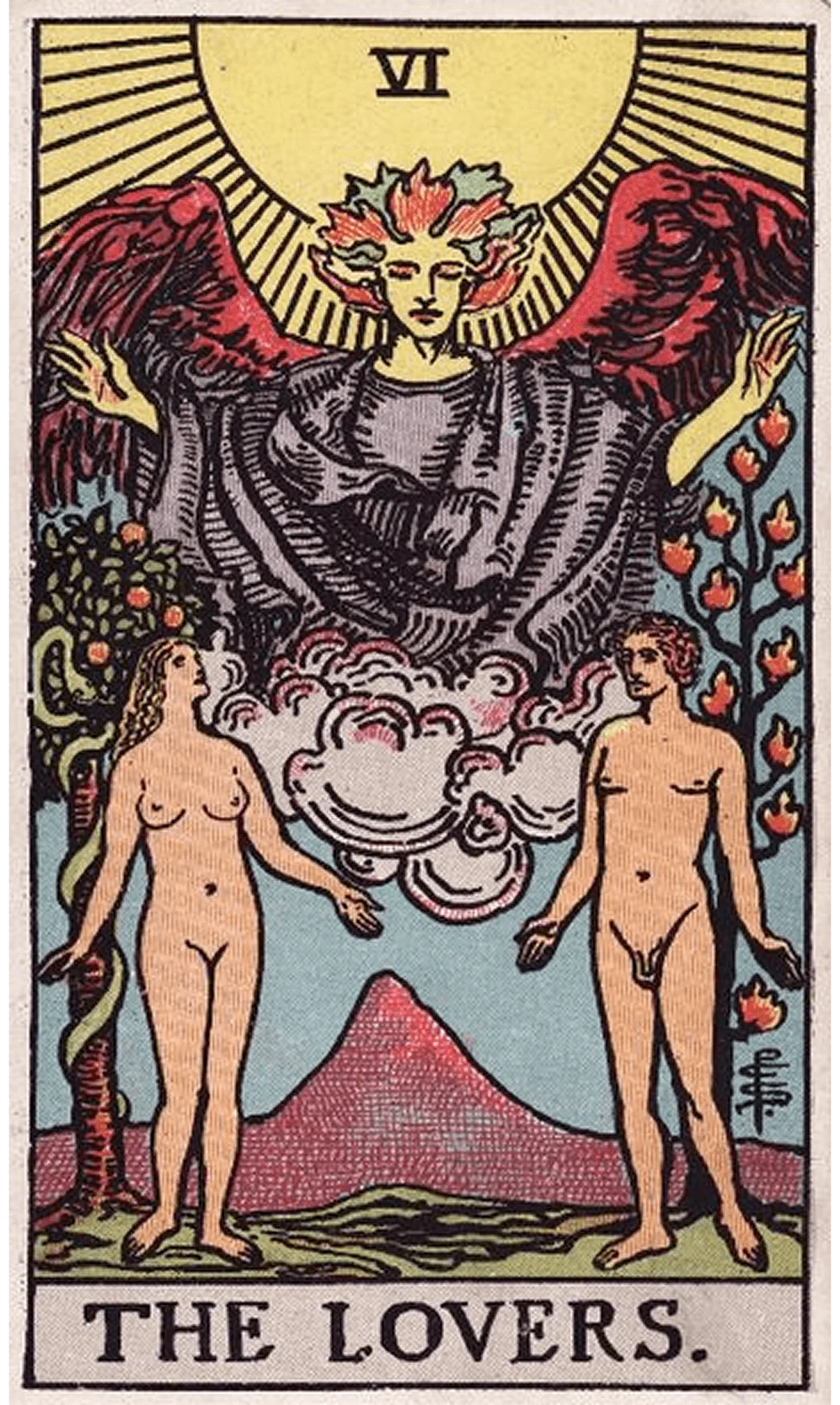
The Lovers
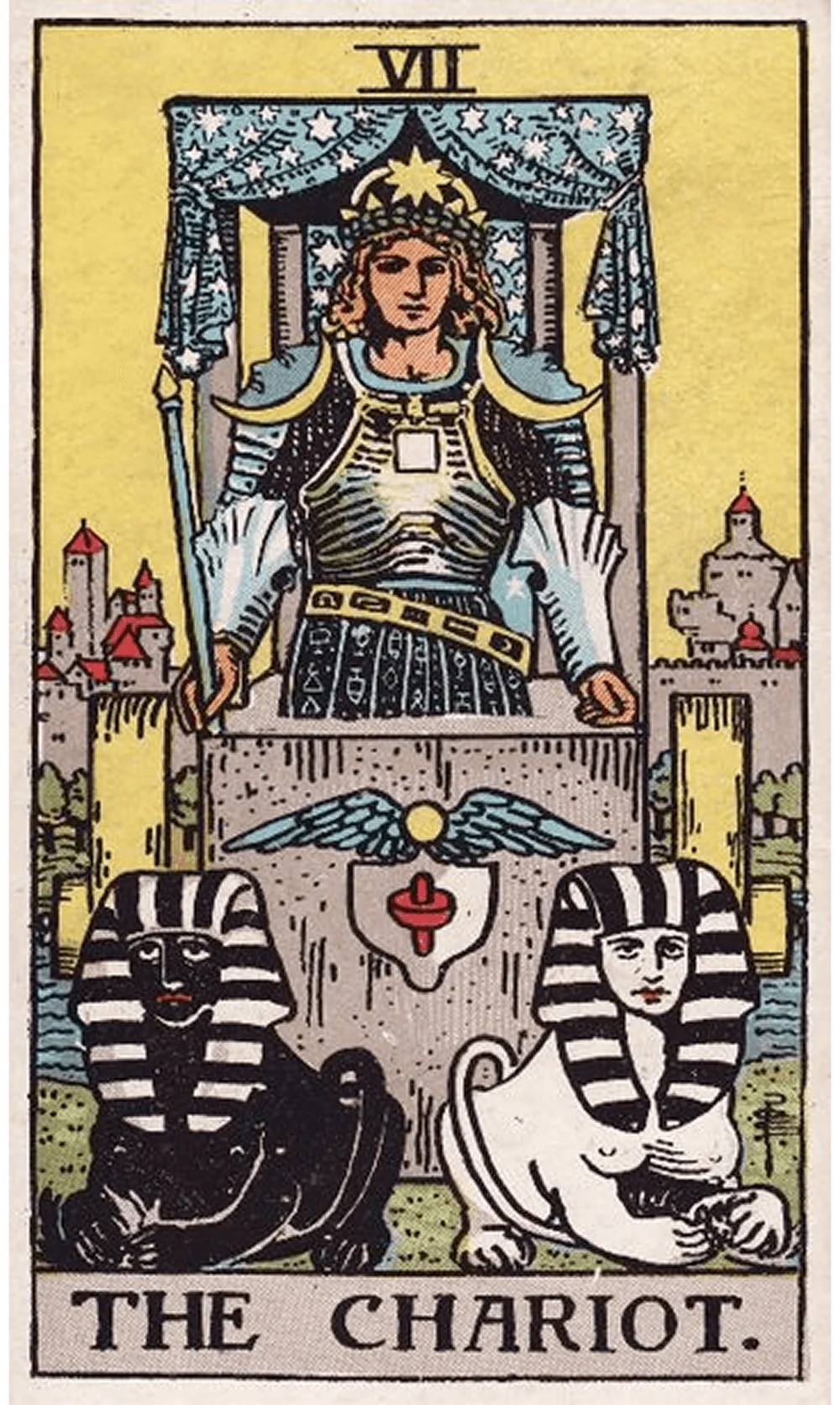
The Chariot
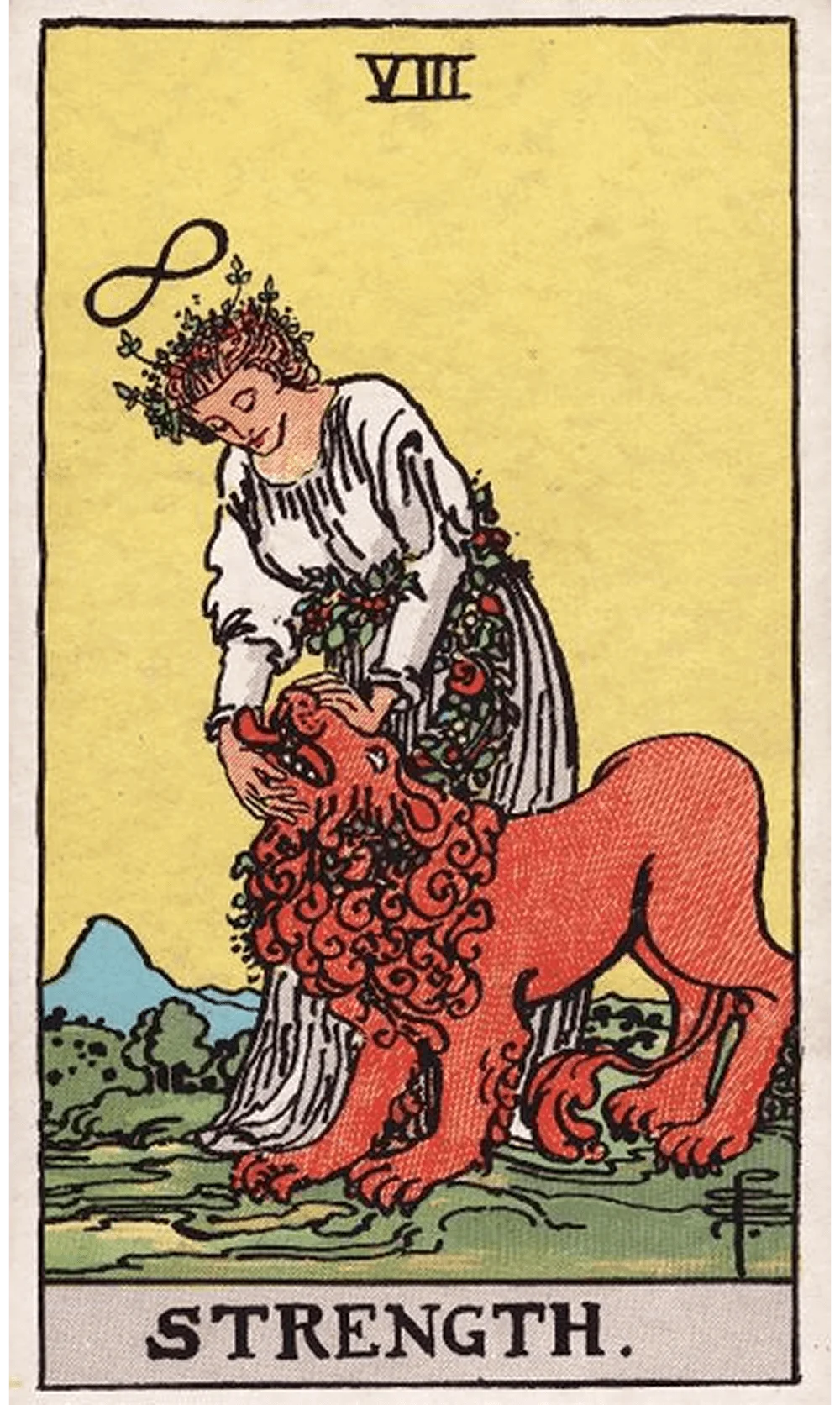
Strength
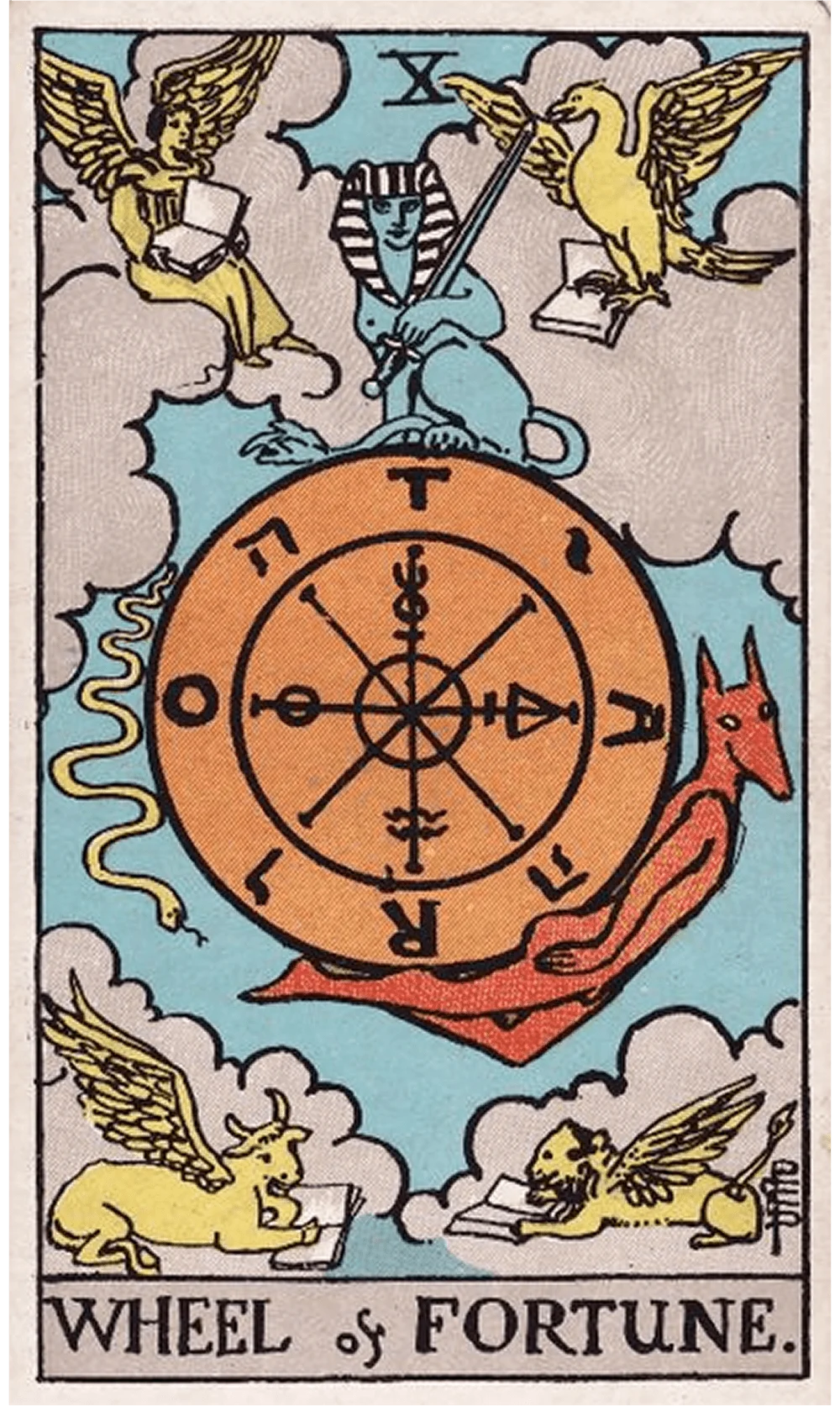
Wheel of Fortune
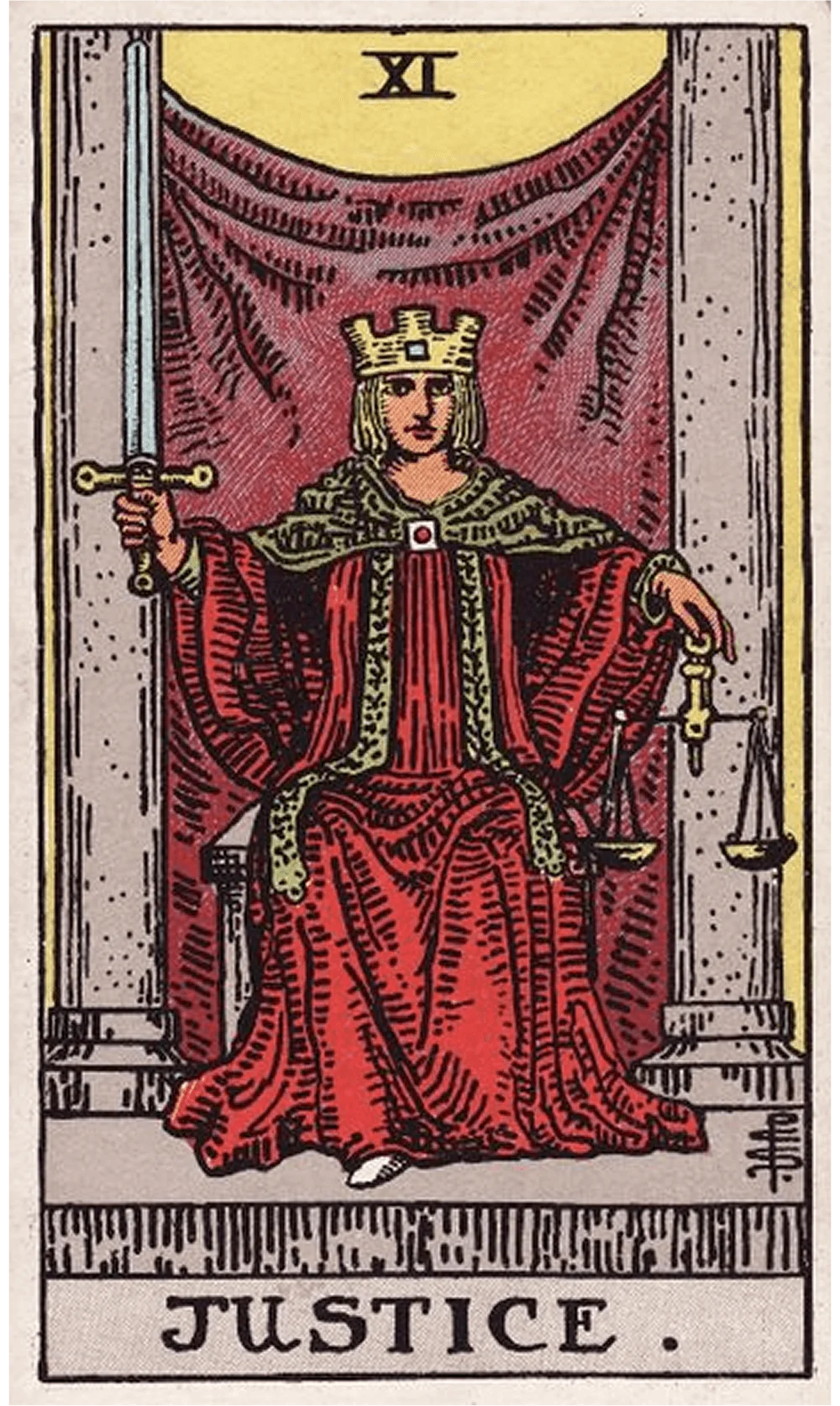
Justice
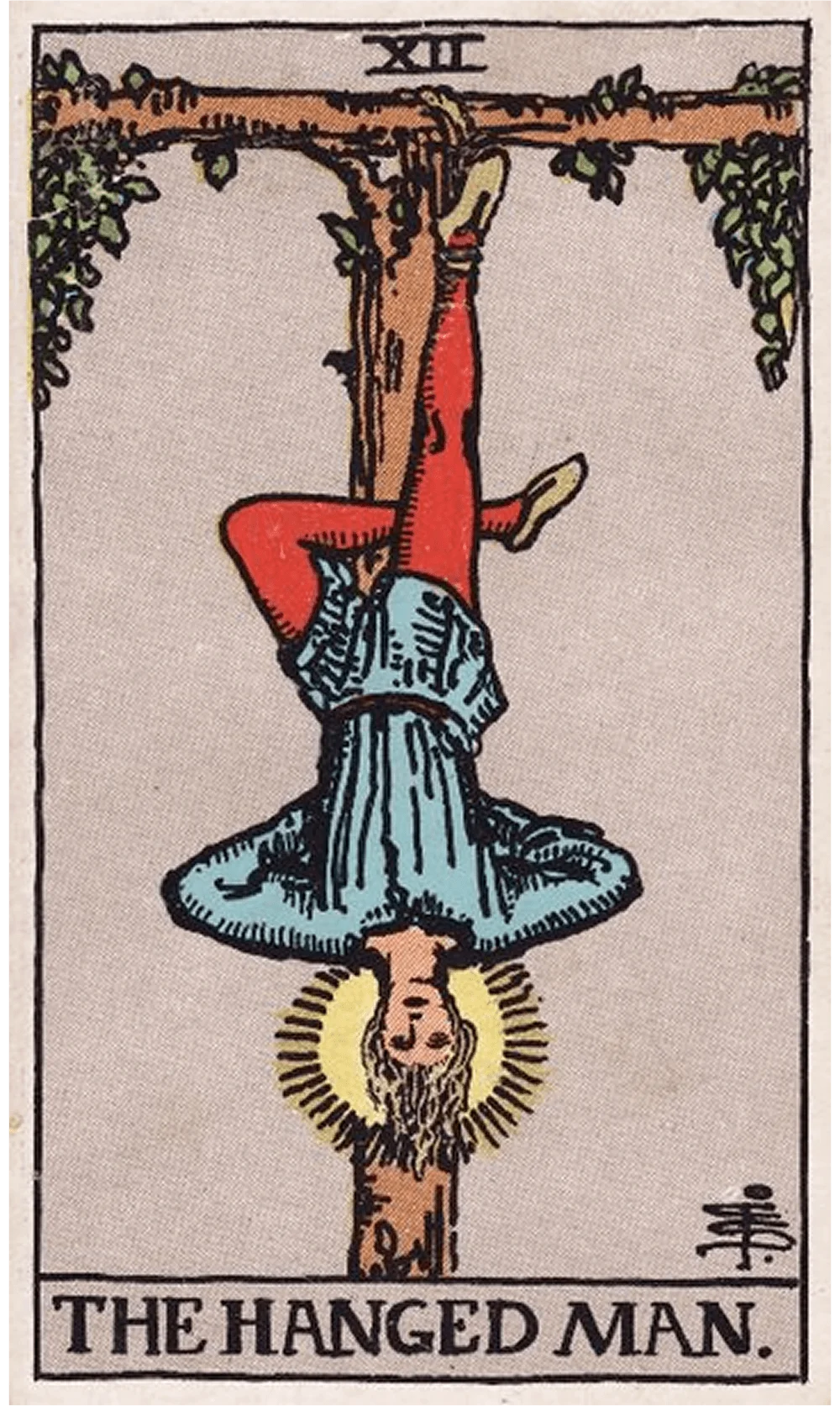
The Hanged Man
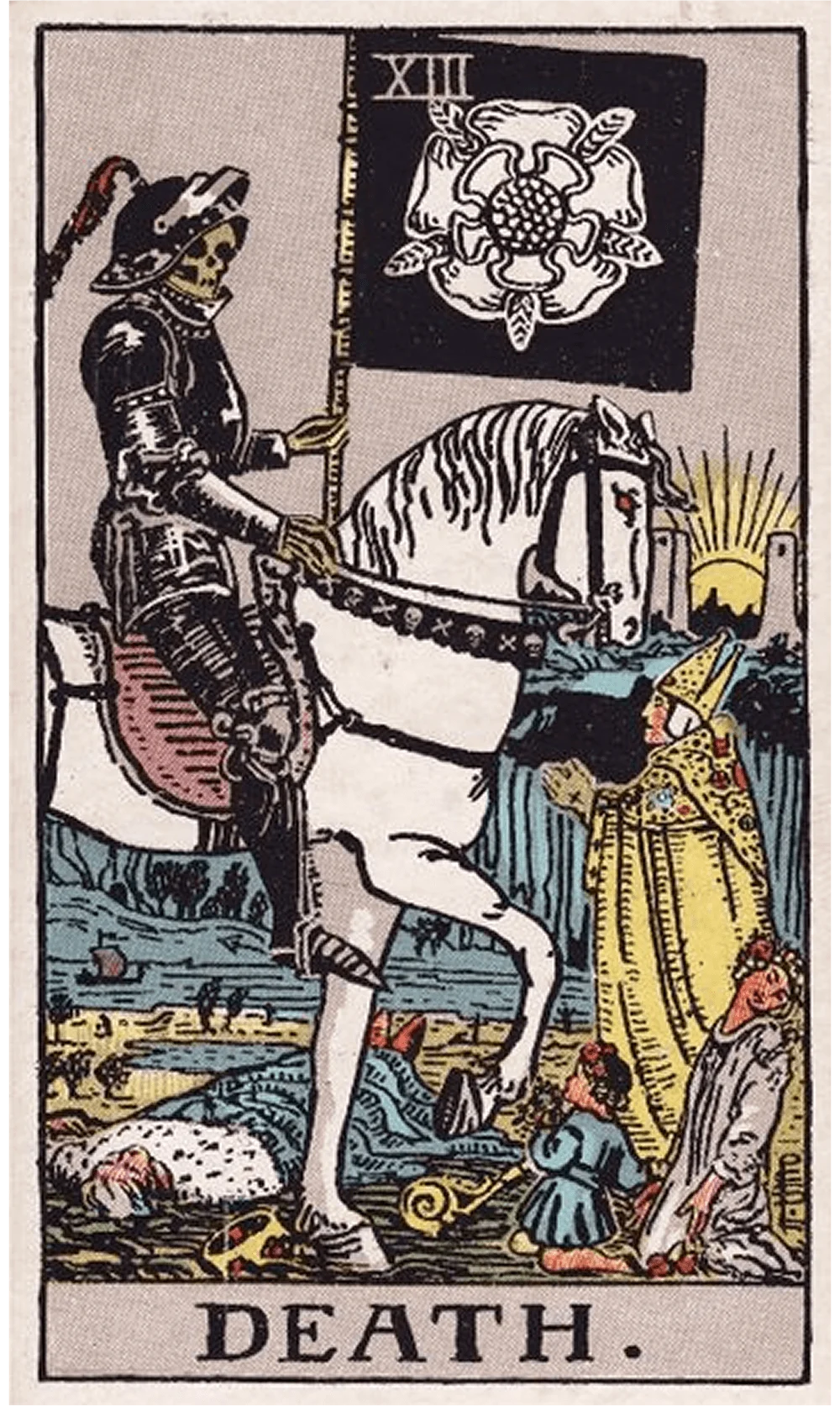
Death
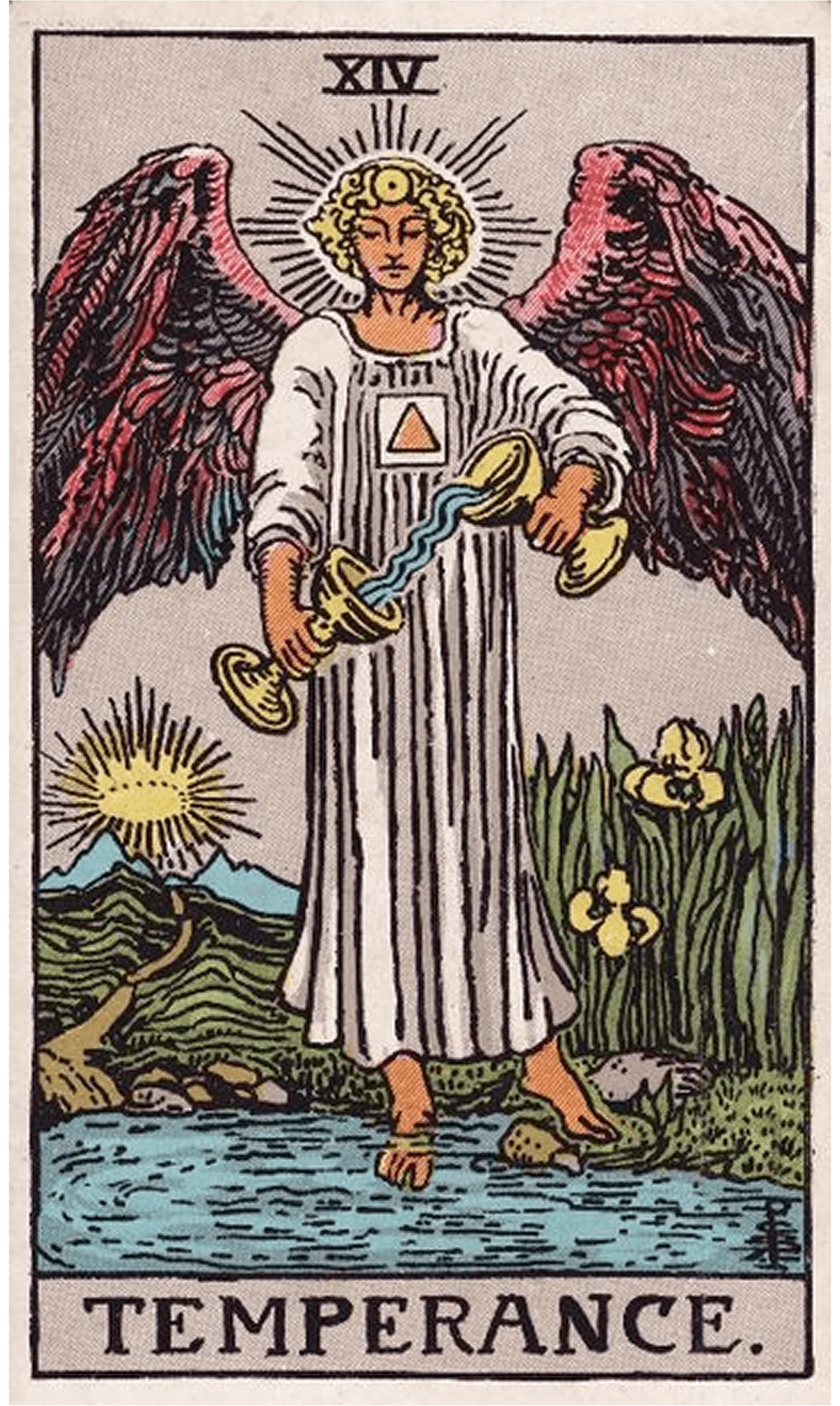
Temperance
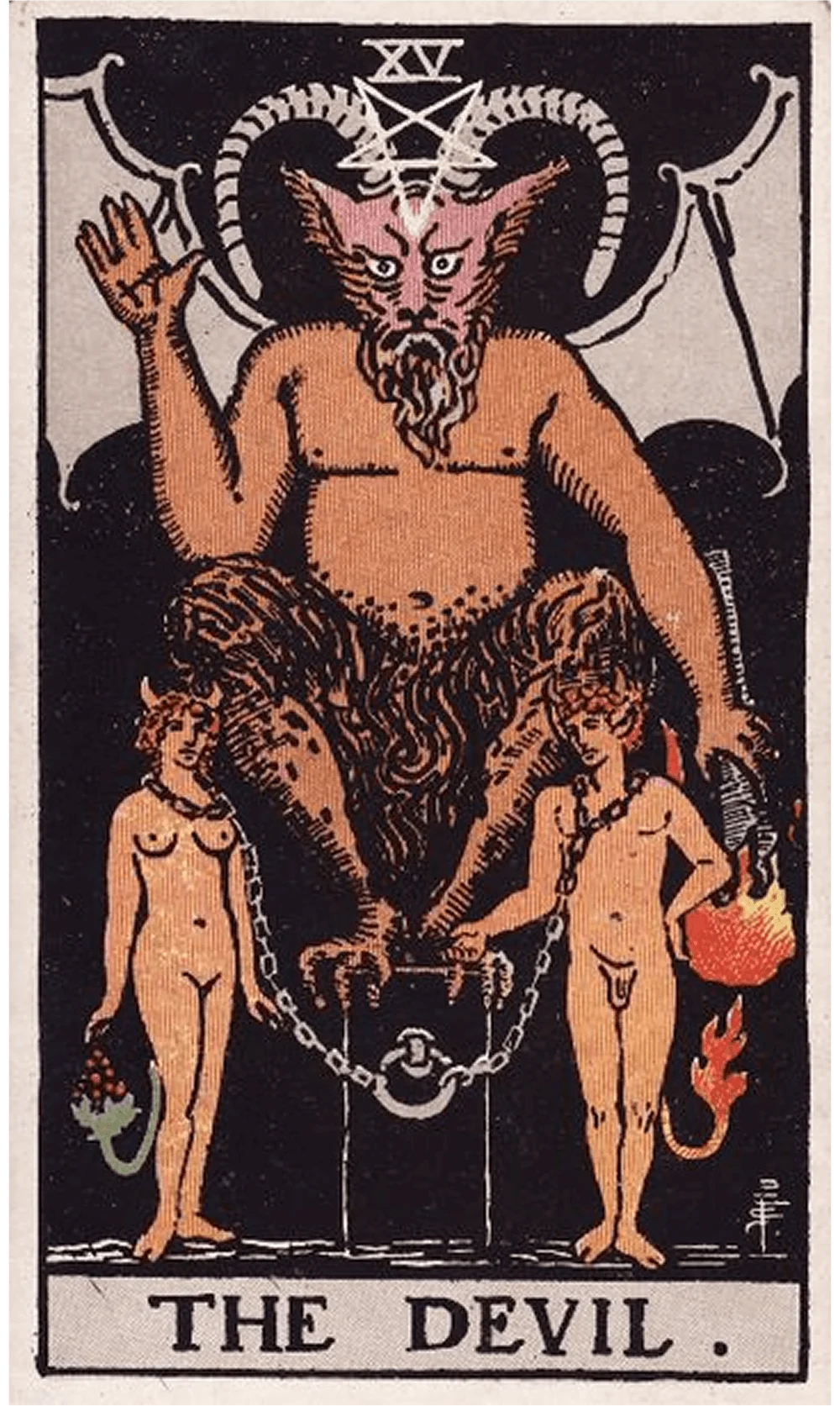
The Devil
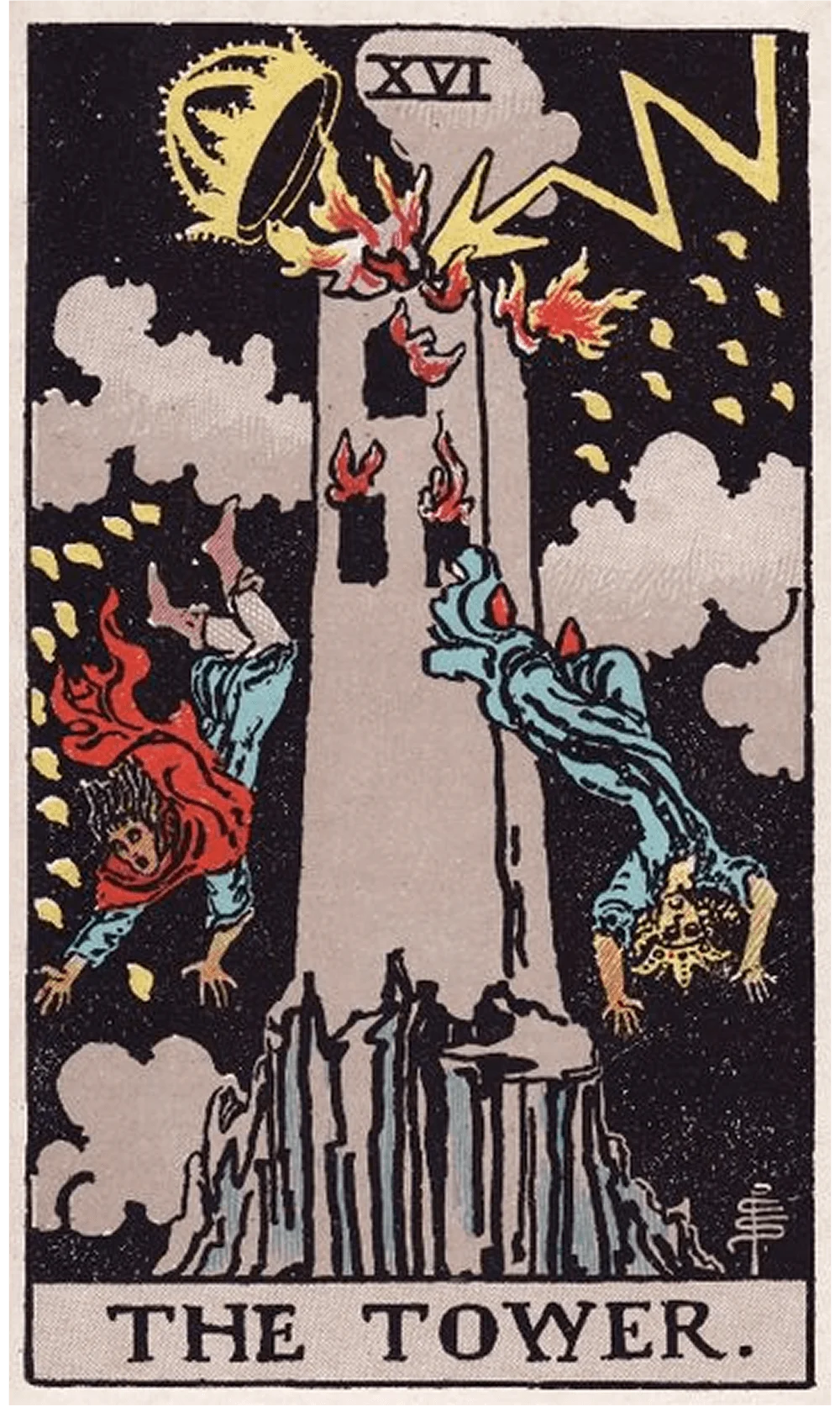
The Tower
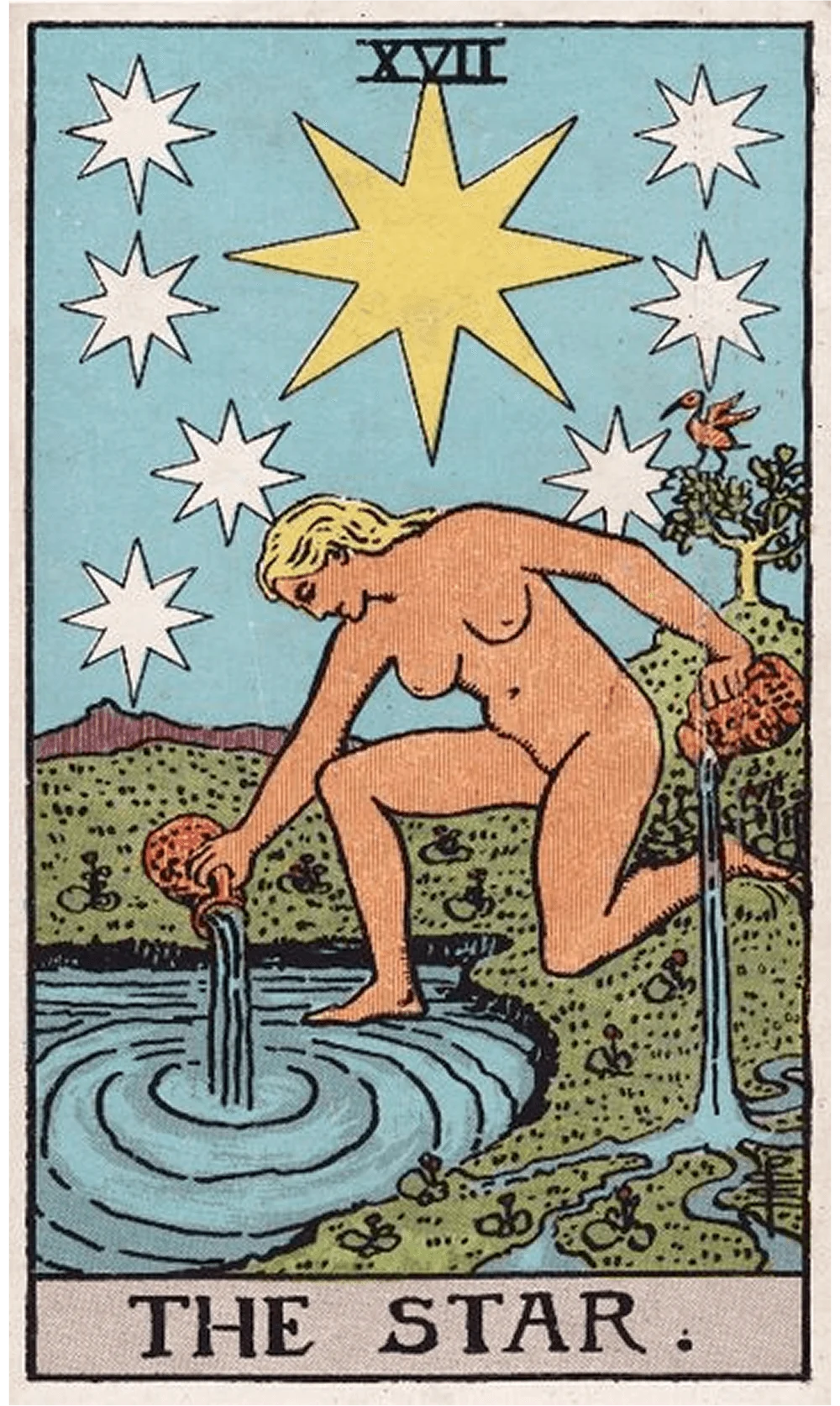
The Star
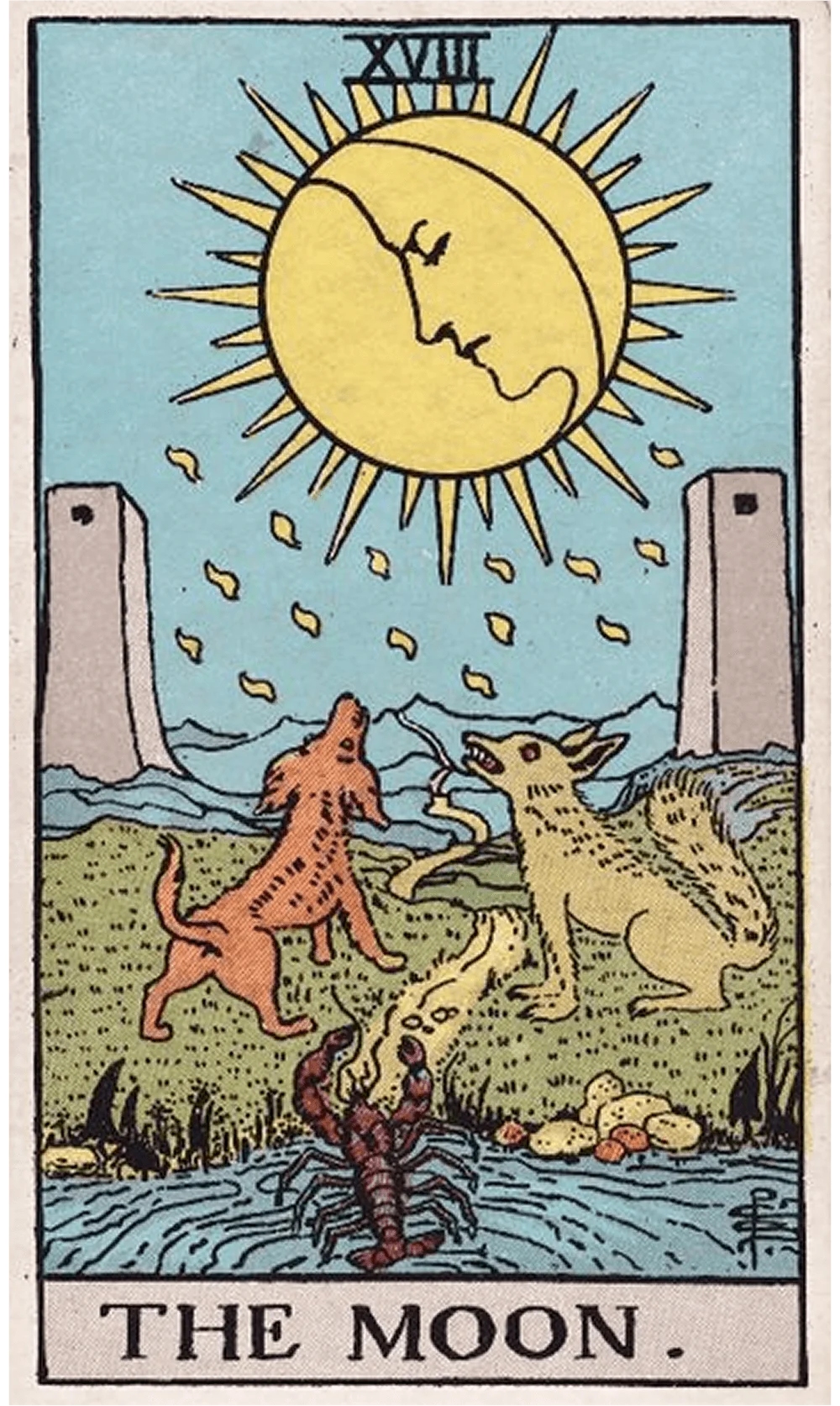
The Moon
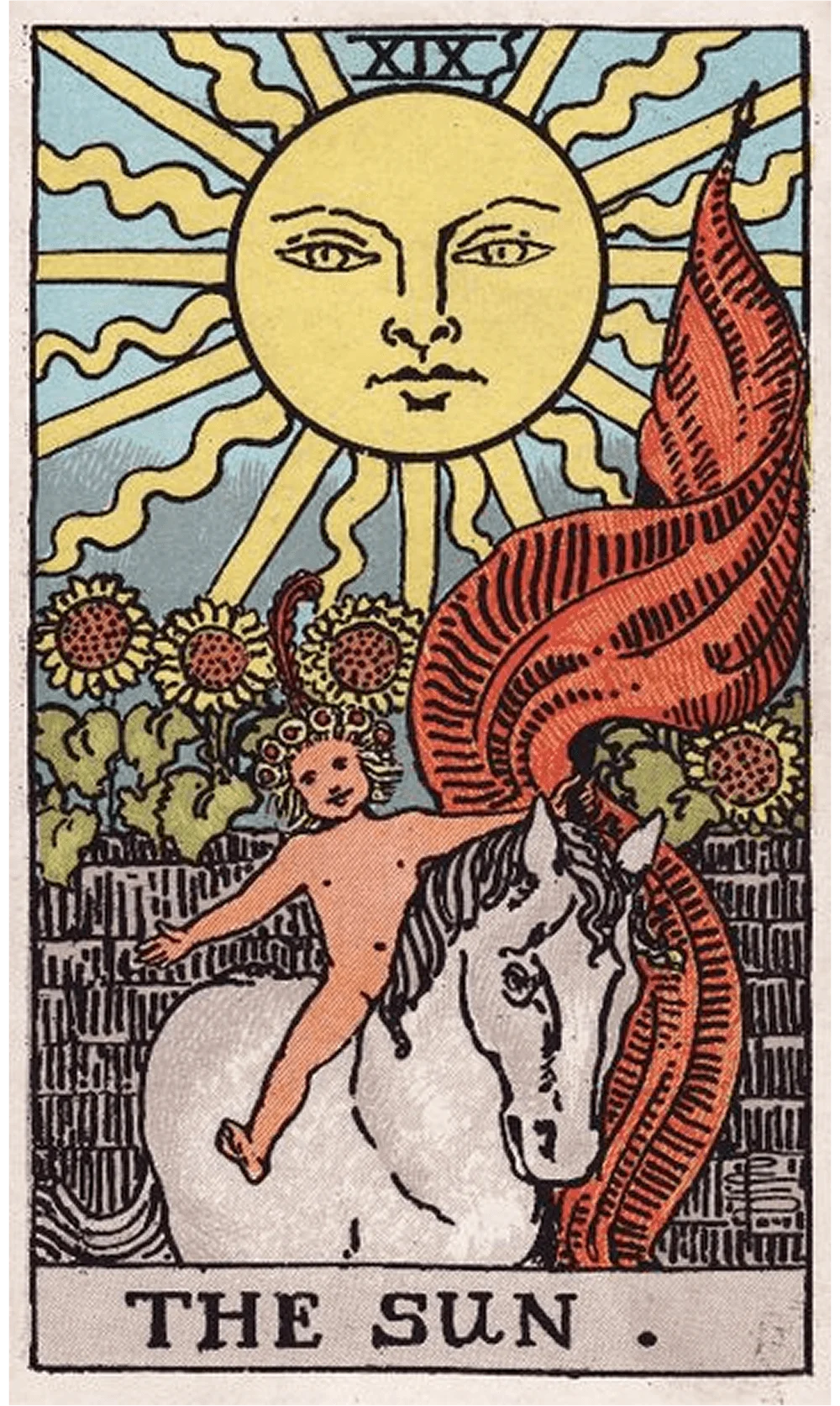
The Sun

Judgement